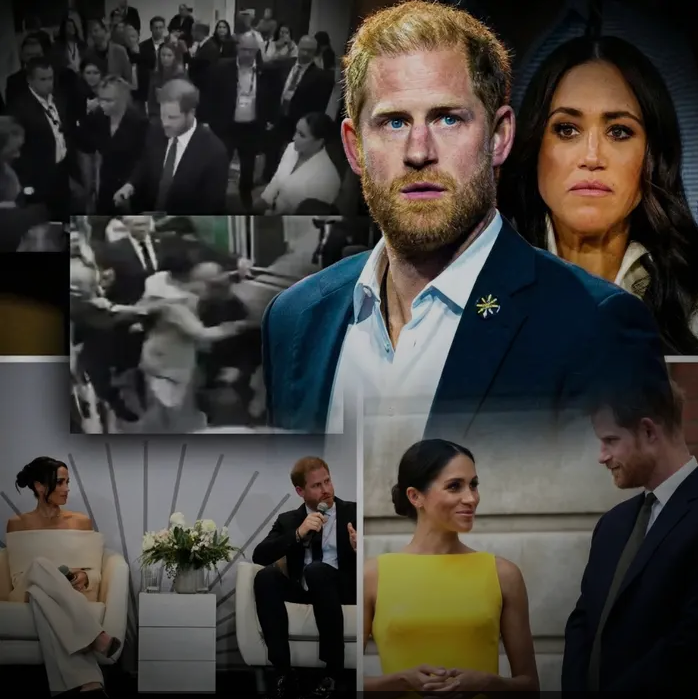
Behind the glossy rebrand and carefully worded press releases, the reality surrounding Prince Harry and Meghan Markle’s charitable venture appears far less polished. Recent reports suggest that Archewell, the foundation once presented as the moral cornerstone of the Sussexes’ post-royal life, has been quietly reduced to a skeletal operation. What was marketed as growth and evolution now looks, to critics, like a scramble for survival.
According to insiders cited by U.S. gossip and entertainment outlets, Archewell has cut roughly 60 percent of its workforce and is now operating with just two core staff members. The timing has raised eyebrows, as the downsizing came almost immediately after the announcement that Archewell Foundation would be rebranded as “Archewell Philanthropies.” Publicly, the change was framed as a strategic streamlining designed to reduce administrative burden. Privately, sources say the decision was driven by far more urgent concerns: money.
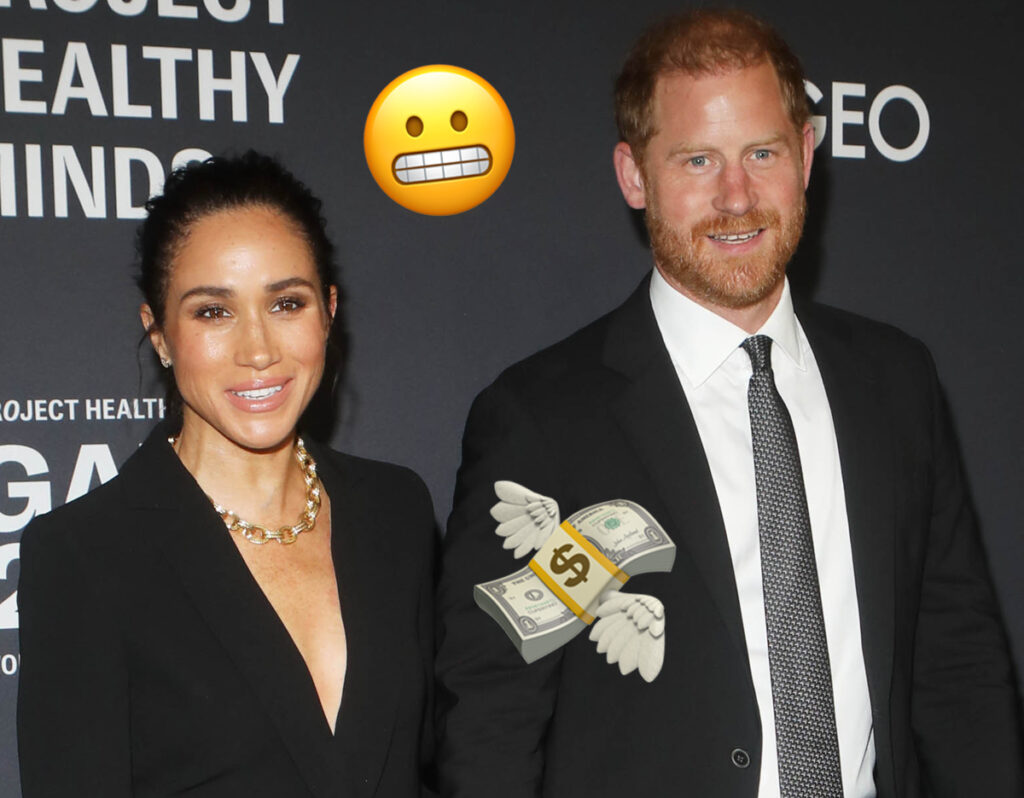
Those familiar with the organization describe a charity struggling to balance ambition with reality. Donations, once buoyed by the Sussexes’ global profile, have reportedly fallen sharply. At the same time, operating costs have surged, fuelled by salaries, grants, and the infrastructure required to maintain a high-profile philanthropic brand. One insider summarized the situation bluntly: “It was costing them too much. Cuts were unavoidable.”
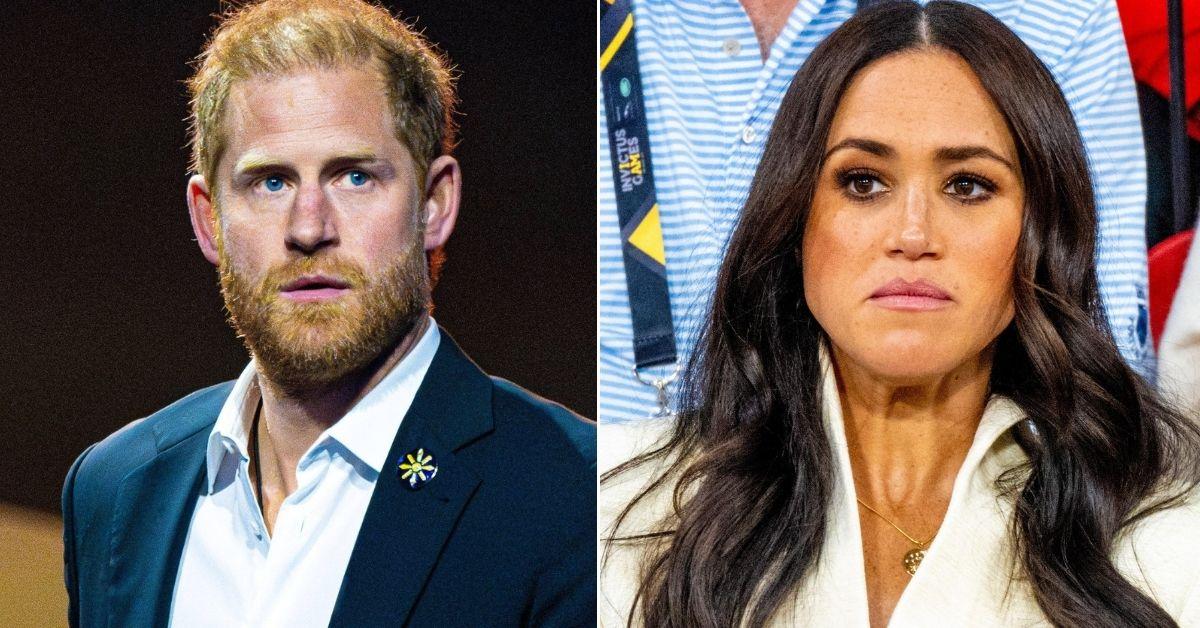
Financial filings have only intensified the scrutiny. Archewell’s expenses reportedly climbed to over five million dollars in a single year, with nearly a million allocated to salaries alone. Meanwhile, incoming donations dropped by more than half compared to the previous year. For observers, the math is troubling. As one reader commented, “If more money is going out than coming in, the question isn’t optics — it’s survival.”
The rebrand itself has become a focal point of criticism. While the Sussexes presented “Archewell Philanthropies” as a fresh chapter, insiders claim the move followed months of internal discussions about whether the organization could continue in its existing form at all. At one stage, according to reports, there was even talk of closing the charity or handing it over to a fiscal sponsor to absorb outgoing costs. Another source cut through the PR narrative with a phrase that has since gone viral: “It’s all smoke and mirrors.”
Only two senior figures are said to remain: executive director James Holt, a longtime associate of Prince Harry, and vice president of philanthropy Shauna Nep. The image of a bustling philanthropic powerhouse staffed by teams of experts now contrasts starkly with the reality of a pared-back operation struggling to justify its scale. For critics, the discrepancy reinforces long-held doubts about how substantive Archewell ever was.
The situation has also reignited broader questions about the Sussexes’ financial footing. Since stepping away from royal duties, Harry and Meghan Markle have relied heavily on commercial deals to fund both their lifestyle and their ventures. Spotify has already walked away, and whispers continue that the Netflix partnership is no longer as lucrative or secure as once advertised. With major revenue streams weakening, Archewell’s financial strain feels less isolated and more symptomatic.
Public reaction has been predictably divided. Supporters argue that charities evolve and that downsizing does not automatically signal failure. They point out that many foundations operate lean models and that impact is not measured by headcount. Critics, however, are unconvinced. “If the vision was so big,” one commenter asked, “why does it now need to shrink this dramatically?”
There is also growing attention on spending priorities. Reports suggest the Sussexes continue to spend millions annually on personal security, a figure that dwarfs Archewell’s shrinking income. For some, this contrast highlights a disconnect between public messaging and private reality. “You can’t preach global good while bleeding cash at home,” another reader remarked.
Outside voices woven into the debate reflect fatigue as much as outrage. Many note a recurring pattern: bold announcements, high expectations, and quieter retrenchments. Each cycle erodes confidence a little more. As one royal watcher observed, “Branding can buy time, but it can’t replace balance sheets.”
None of this means Archewell is finished. Harry and Meghan still command attention, and attention can be monetized. They also retain high-profile connections and ongoing media projects, even if their exact value is uncertain. Yet the latest revelations have punctured the aura of inevitability that once surrounded their ventures. Independence, it seems, has proven far more expensive — and far less forgiving — than anticipated.
Ultimately, the Archewell story has become a case study in contrasts. On one side, aspirational language about compassion, change, and global impact. On the other, layoffs, shrinking donations, and whispered doubts about sustainability. Whether this moment marks a painful reset or the beginning of a slow unwind remains to be seen.
For now, one thing is clear: the polished surface is cracking, and the financial realities behind Harry and Meghan’s charitable brand are no longer easy to ignore. As one particularly sharp observer put it, “Smoke and mirrors can impress — until the smoke clears.”