There are moments in history that arrive quietly. No trumpets. No formal declarations. Just a subtle shift in tone that tells an entire nation something fundamental is changing. For many Americans who have followed the British royal family for decades, that moment feels closer than ever—and at its center stands
Princess Catherine.
For years, Catherine has been admired for her grace, her discipline, and her unshakeable sense of duty. But admiration alone does not transform a woman into a symbol. What does is resilience—tested publicly, painfully, and without shortcuts. And in the past year, resilience has become the defining word of her story.
A Year That Changed Everything
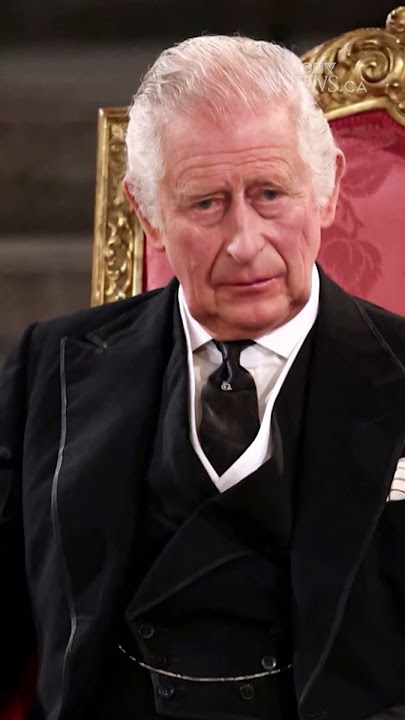
When King Charles III announced his cancer diagnosis in early 2024, the news reverberated far beyond palace walls. For Americans who remember watching Queen Elizabeth II’s long reign as a constant presence on nightly news broadcasts, the announcement carried an unmistakable weight: the era of permanence was over.
Then came the shock that no one expected—Catherine herself stepping back from public life, later revealing her own diagnosis. For months, silence replaced speculation. And in that silence, something remarkable happened. The public didn’t turn away. They leaned in.
In the United States especially, where stories of illness, recovery, and perseverance resonate deeply, Catherine’s absence did not weaken her connection. It strengthened it.
The Power of Return
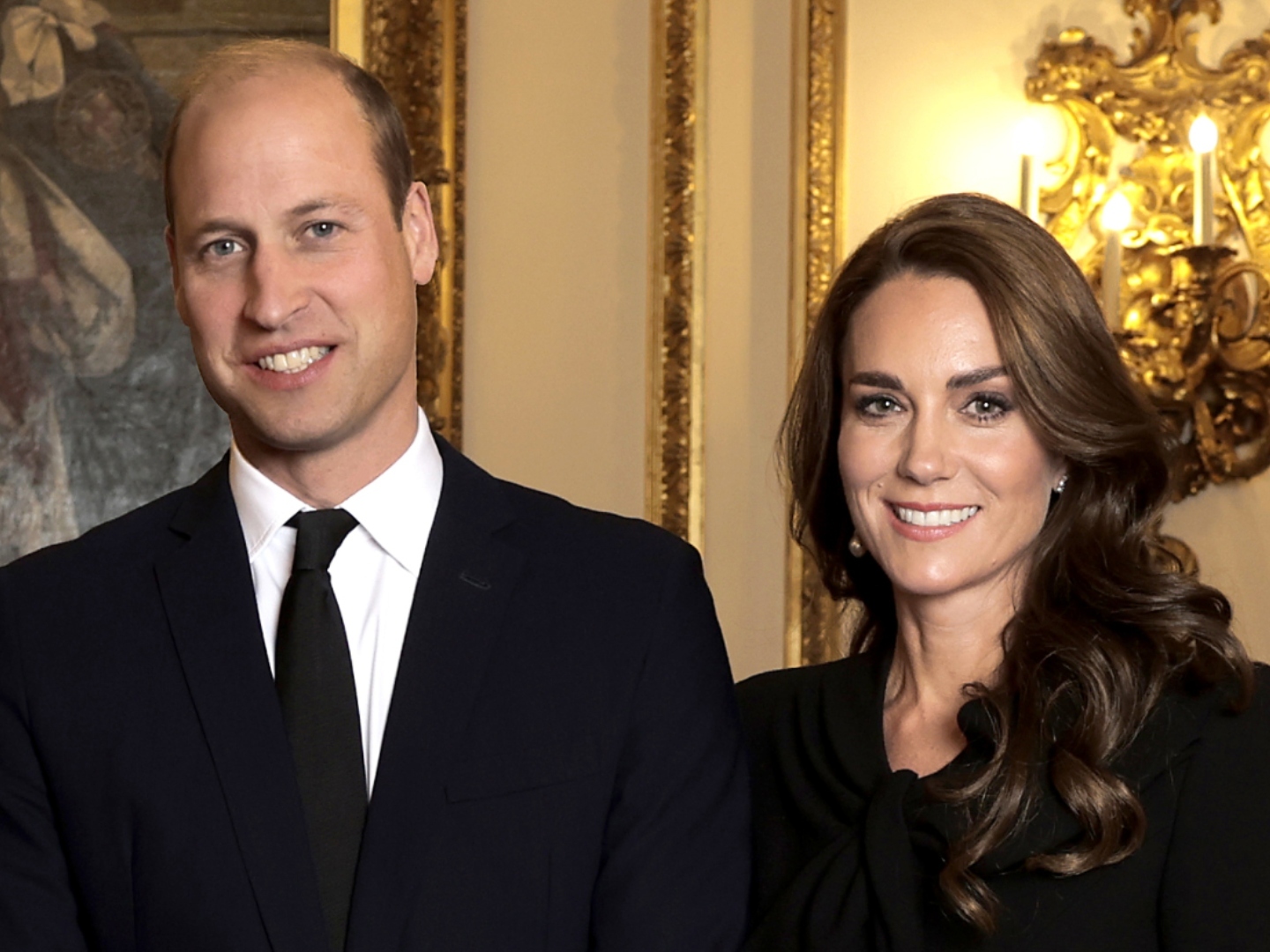
When Catherine returned to public view later that year, she did not come back louder or more theatrical. She came back quieter. Stronger. Different.
There was no attempt to “spin” the moment. No effort to present perfection. Instead, she appeared as a woman who had faced uncertainty and chosen to step forward anyway. Americans recognized that immediately. This was not a fairy-tale princess. This was a mother, a wife, and a public servant who had walked through fear and emerged steadier on the other side.
That kind of strength does not need a crown to be felt. It simply is.
Whispers Inside the Palace
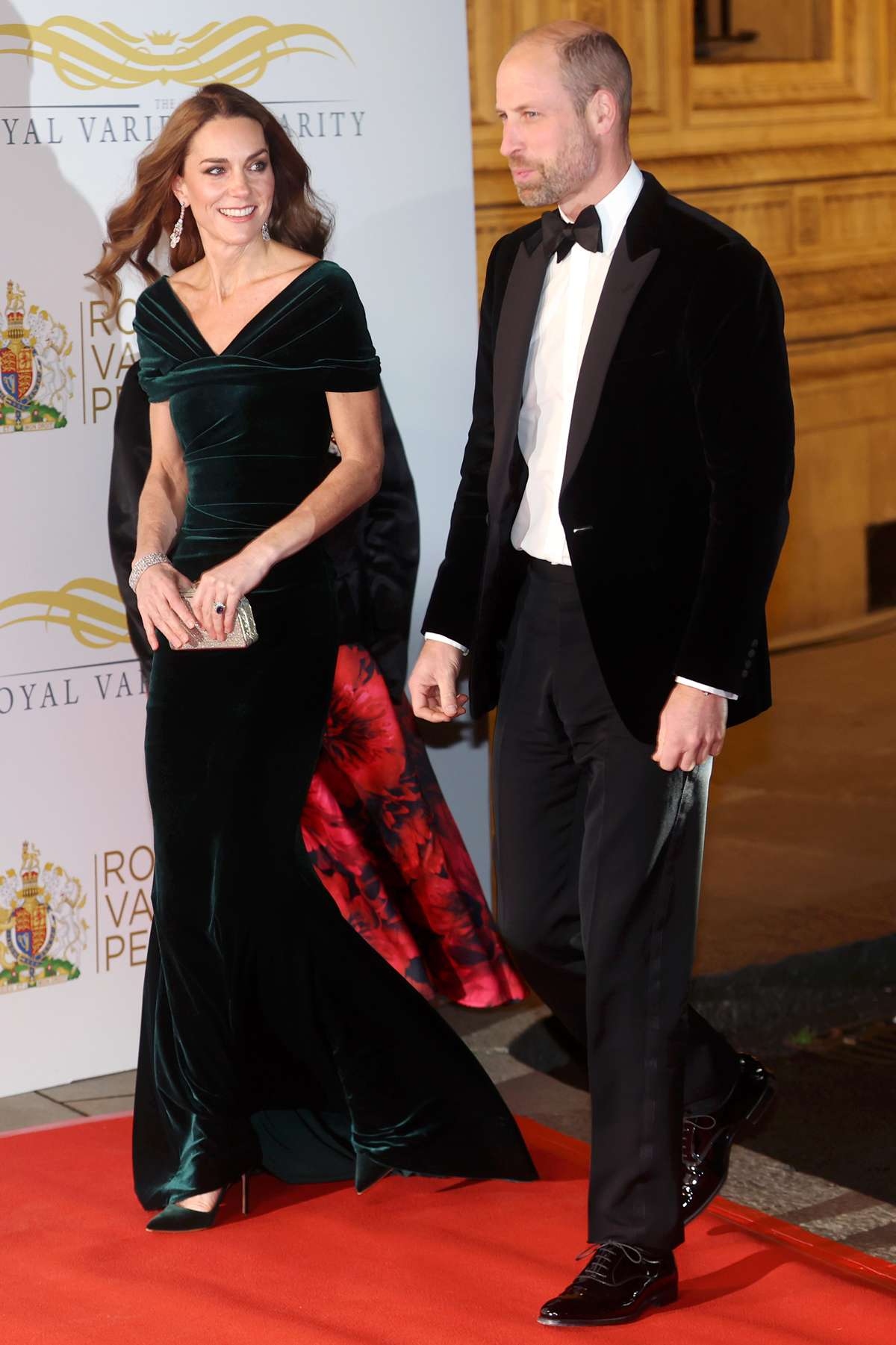
According to royal watchers, conversations inside Buckingham Palace have shifted in tone. Where once protocol dominated every discussion, now words like “continuity,” “trust,” and “public confidence” reportedly guide planning for the future.
At the center of these conversations is Catherine—not as a replacement for anyone, but as an anchor.
For many Americans, this feels familiar. In times of national uncertainty, leadership often shifts toward figures who reassure rather than command. Catherine’s appeal lies not in authority, but in emotional steadiness. She doesn’t demand attention. She earns it.
William and the Quiet Partnership
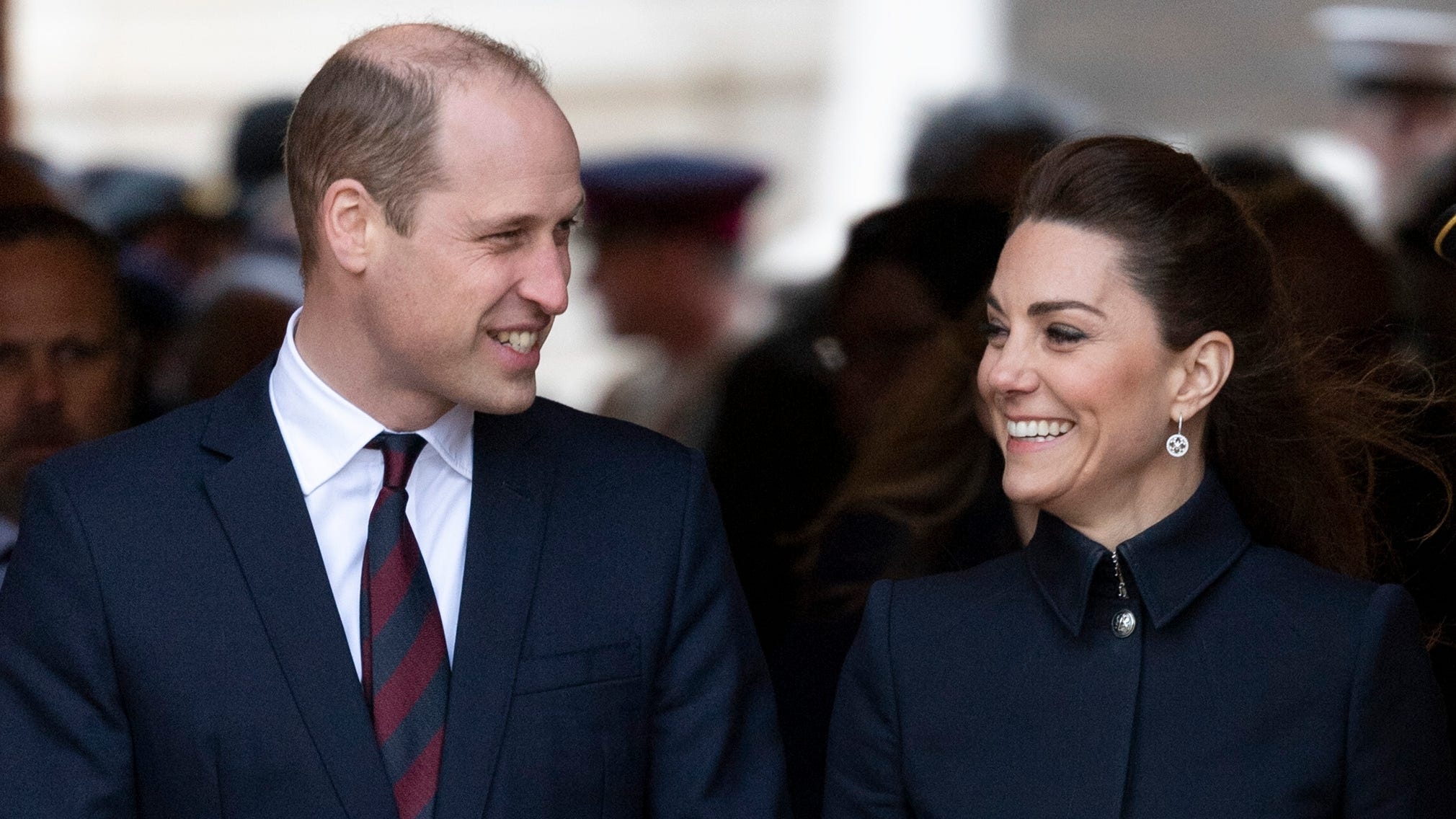
Alongside her stands Prince William, whose own evolution has been just as noticeable. Once seen as reserved to the point of distance, William now appears more grounded, more open, and visibly shaped by his role as a husband and father.
Together, William and Catherine project something rare in public life: unity without performance. To American audiences—many of whom have grown skeptical of political and celebrity theatrics—this authenticity matters deeply.
They don’t feel curated. They feel lived-in.
The Shadow of Comparison
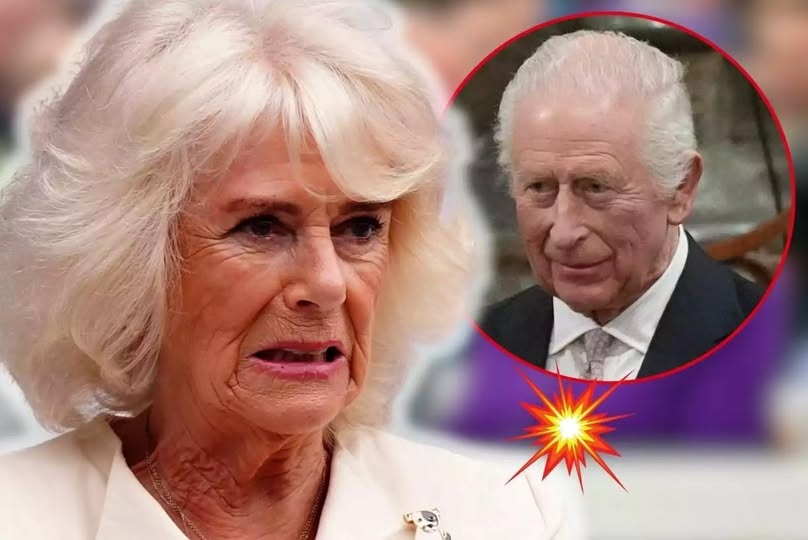
Any discussion of Catherine’s rising influence inevitably brings comparison, particularly with Queen Camilla. But the contrast is less about rivalry and more about symbolism.
Camilla represents continuity with the past—complex, controversial, and still emotionally charged for a public that never forgot Princess Diana. Catherine, by contrast, represents emotional renewal. She does not reopen old wounds. She allows them to rest.
For Americans who watched the Diana era unfold through tabloid headlines and televised interviews, this distinction carries weight. Catherine feels like resolution rather than repetition.
A Mother First, Always
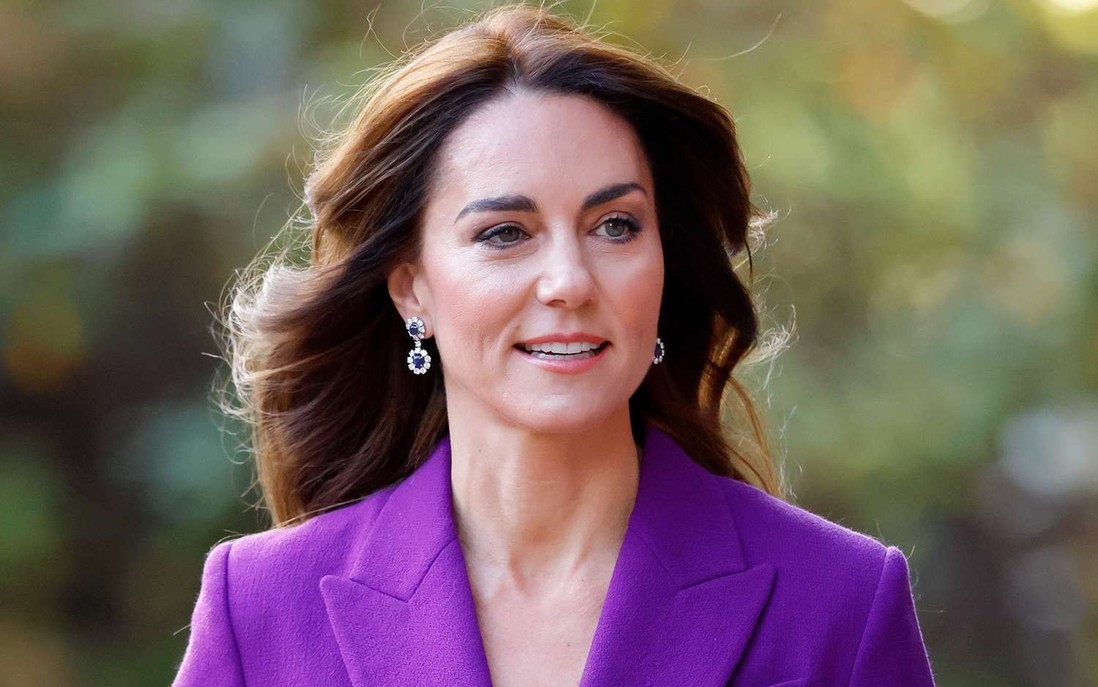
One of the most powerful elements of Catherine’s public image—especially in the U.S.—is her visible devotion to her children: Prince George, Princess Charlotte, and Prince Louis.
In a culture that values relatability, her insistence on normalcy resonates strongly. School drop-offs. Protective instincts. Private moments guarded fiercely. She does not present motherhood as a role. She lives it.
And that choice has quietly reshaped how the future of the monarchy is perceived. Americans see not just a queen-in-waiting, but a mother shaping the next generation with intention and care.
Symbolism Without Spectacle
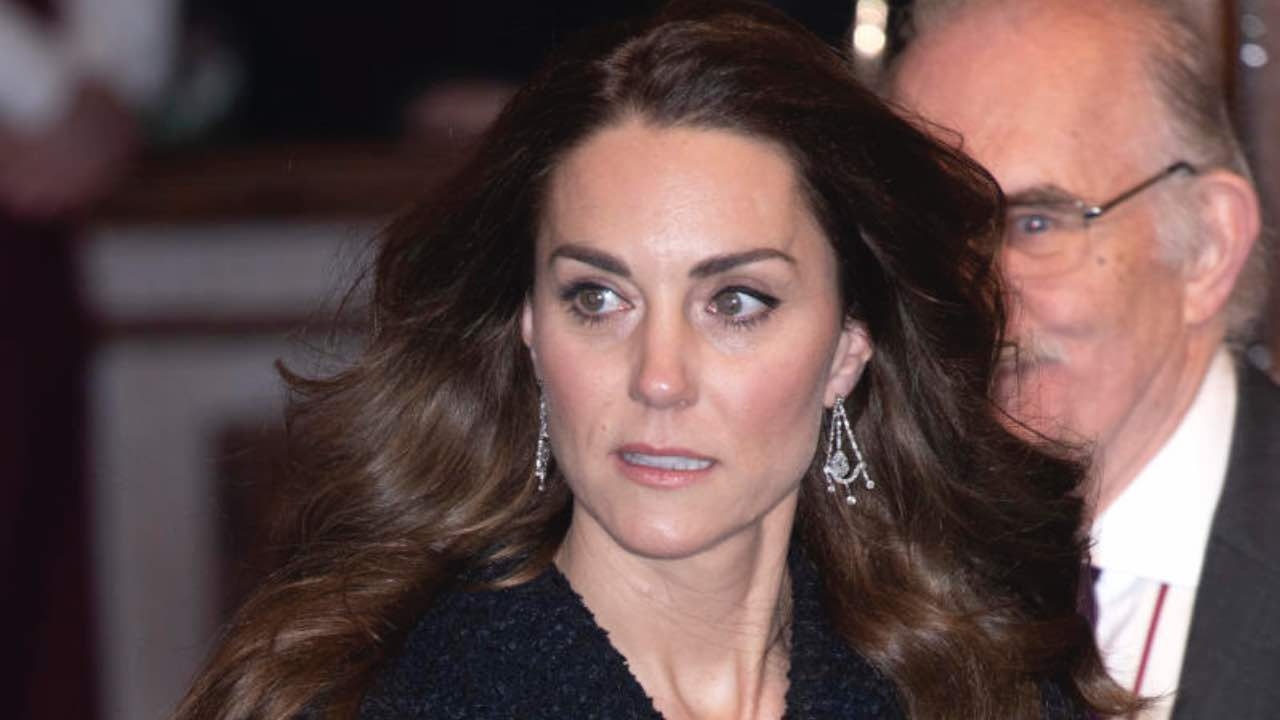
Royal insiders have noted an increase in subtle symbolic gestures surrounding Catherine. Nothing dramatic. Nothing official. Just quiet acknowledgments of her growing importance.
In a world saturated with noise, subtlety stands out.
For U.S. audiences accustomed to bold announcements and constant updates, the restraint itself feels powerful. It suggests confidence. It suggests planning. And it suggests that when change does come, it will feel earned rather than imposed.
Why Americans Care So Deeply
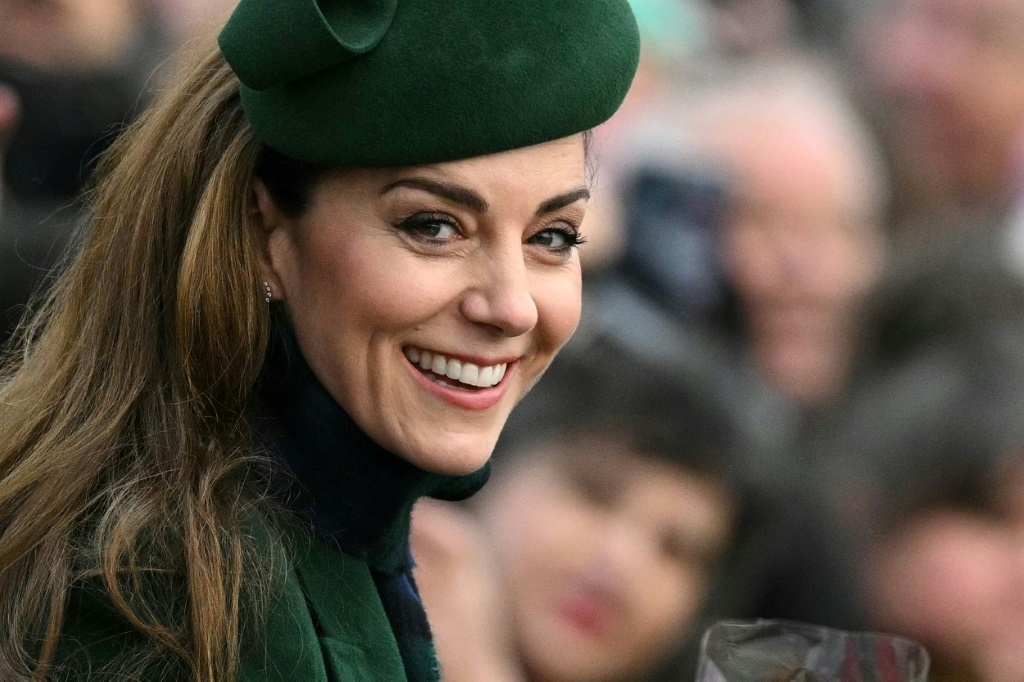
It may seem surprising that the future of the British monarchy continues to captivate American audiences. But the truth is simpler than it appears.
Americans are drawn to stories of character. Of endurance. Of people who carry responsibility without losing themselves. Catherine’s story aligns perfectly with those values.
She did not seek the spotlight during her hardest moments. She did not weaponize vulnerability. She waited until she was ready—and then returned with dignity intact.
That kind of leadership translates across borders.
A New Emotional Center
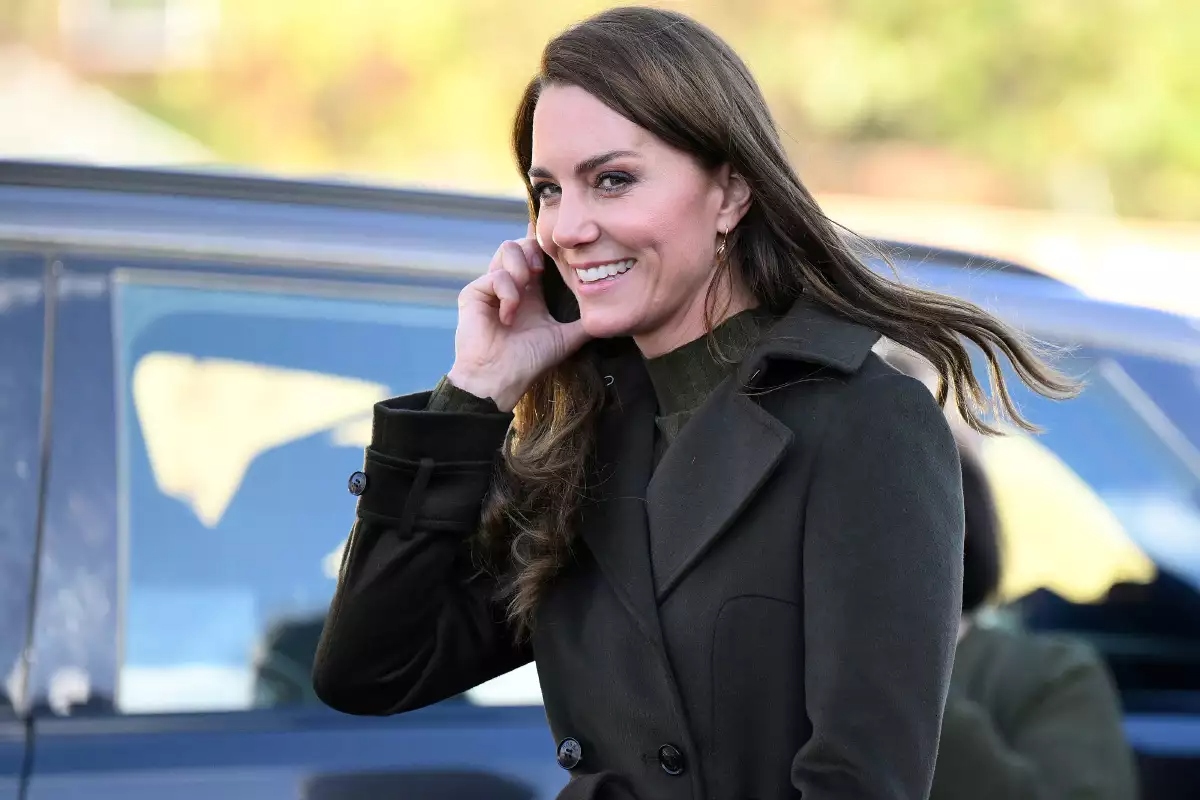
Whether or not formal titles change in the near future, one thing already has: the emotional center of the monarchy.
More and more, that center feels like Catherine.
Not because she has claimed it—but because the public has placed it there.
In living rooms across the United States, among viewers who remember Diana, respect Elizabeth, and worry about the future of institutions everywhere, Catherine represents something rare: reassurance without illusion.
The Question That Lingers
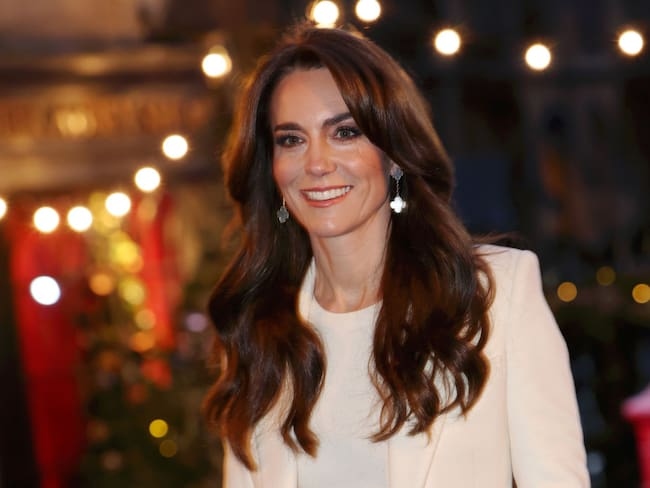
So where does this leave the monarchy?
Perhaps on the edge of transformation. Perhaps in a period of careful transition. Or perhaps simply in the hands of a woman who understands that true power does not announce itself.
For now, there is no crown ceremony. No official proclamation. No headline that confirms what so many already feel.
Just a quiet sense that when the future arrives, it will look a lot like Catherine—steady, compassionate, and unafraid of responsibility.