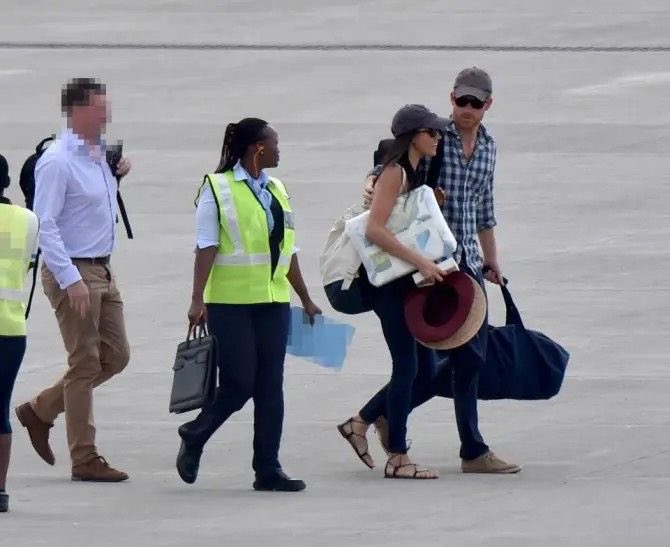
In the sun-drenched hills of Montecito, California, Prince Harry and Meghan Markle have built what they call their “safe haven” – a gated, ultra-private estate where their children, Prince Archie (now 6) and Princess Lilibet (now 4), are raised far from the prying eyes of the world. But as 2026 begins, a growing chorus of royal observers and critics is asking a pointed question: Is this extreme privacy really about protection… or is it a calculated effort to control every word, image, and idea their children encounter about the British royal family?
The Sussexes have long championed online safety, launching **The Parents’ Network** in 2024 to support families devastated by social media harms and making surprise appearances at events like Oprah’s recent book launch on smartphone dangers. Prince Harry has openly said he and Meghan are “grateful” their kids are still too young for social media, and they’ve had “difficult conversations” about delaying phones and access as long as possible. Meghan, in interviews, emphasizes creating a “close-knit family” with normalcy – playdates, school routines, and holiday baking – all carefully curated and shared on her terms.
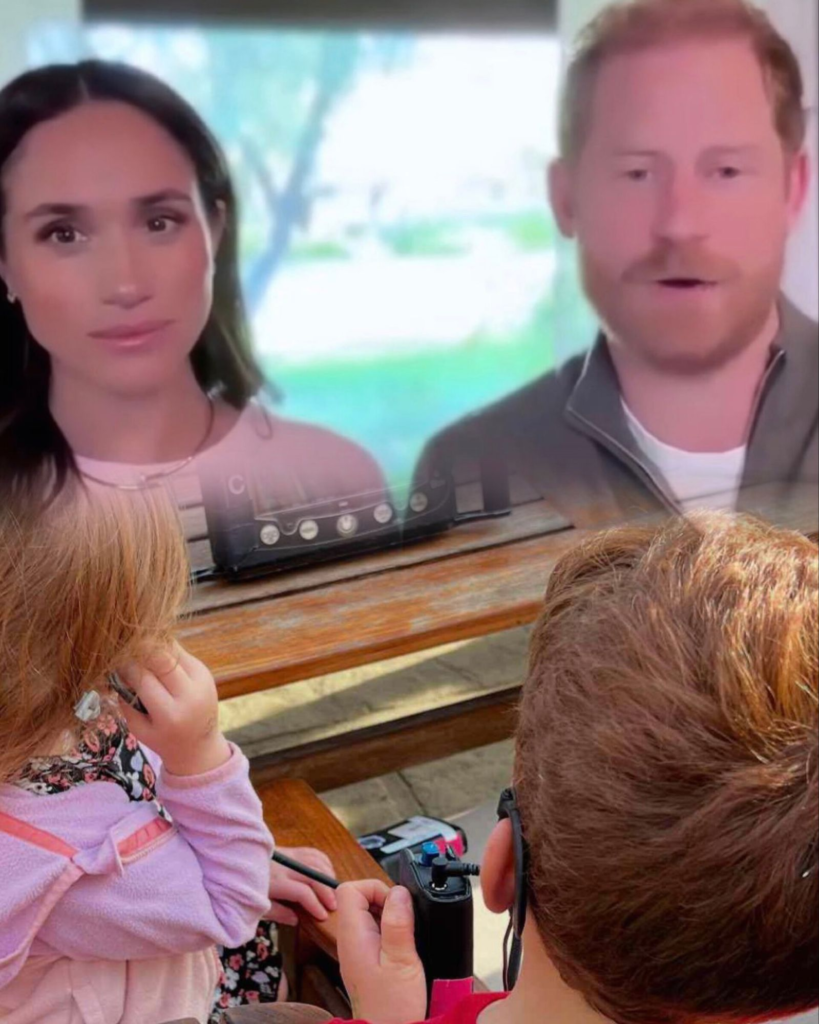
Yet this hyper-vigilant approach extends far beyond typical parental caution. The couple rarely show their children’s faces online (often from behind or obscured), avoid public family outings, and have kept Archie and Lilibet out of the traditional royal spotlight that defined Harry’s own childhood. Sources close to the situation describe a deliberate strategy: Harry, haunted by his mother’s tragic death and his own media battles, insists on shielding them from what he sees as the toxic legacy of the Firm. But critics argue it’s more than that – it’s about narrative dominance.
By limiting exposure to UK media, family visits, and even extended royal relatives, are the Sussexes ensuring Archie and Lilibet only hear one version of events: the Sussex version? The couple’s repeated claims of racism, unconscious bias, and institutional cruelty within the royal family – from the infamous Oprah interview to Harry’s memoir *Spare* – paint a damning picture. Without counterbalancing influences from grandparents, cousins, or the broader Windsor circle, the children could grow up viewing the monarchy solely through the lens of their parents’ grievances.
Insiders point out the stark contrast: While Prince William and Kate raise Prince George, Princess Charlotte, and Prince Louis with public duties balanced by privacy, the Sussex children enjoy a bubble of California normalcy – elite schools, gated communities, and controlled glimpses shared via Meghan’s Instagram or Netflix specials. Neighbors in Montecito describe the family as distant, rarely mingling, with Harry occasionally spotted biking or walking the dog but Meghan keeping a more guarded profile. One local called it a “controlled image,” far from the community engagement seen from other celebrities.
Harry himself has hinted at the tension: He wants his kids to avoid the public childhood he endured, yet the couple’s advocacy work keeps them in headlines, often using family moments strategically. As one royal expert noted, “They control the narrative completely – photos on their terms, stories filtered through their lens. When Archie and Lilibet finally get full internet access, will they only know the ‘big bad’ royal family story their parents have told?”
The wake-up call is coming. In a few short years, these bright, curious children will have smartphones, friends, and unfiltered access to the world. They’ll read the headlines, watch the documentaries, and perhaps even reconnect with relatives across the pond. What happens when they discover the other side – the traditions, the history, the family ties their parents left behind? Will they feel deprived of a heritage, or grateful for the “freedom” their parents fought for?
Harry and Meghan may see this isolation as protection, but to many, it looks like control. One day soon, Archie and Lilibet will step out of the Montecito bubble and into the real world. When they do, the narrative they’ve been fed might not hold up. The question isn’t whether the royal family is perfect – it’s whether these children deserve the chance to decide for themselves.
The clock is ticking. Wake up, you two – your children won’t stay shielded forever. And when the truth comes flooding in, it might just rewrite the story you’ve so carefully crafted.