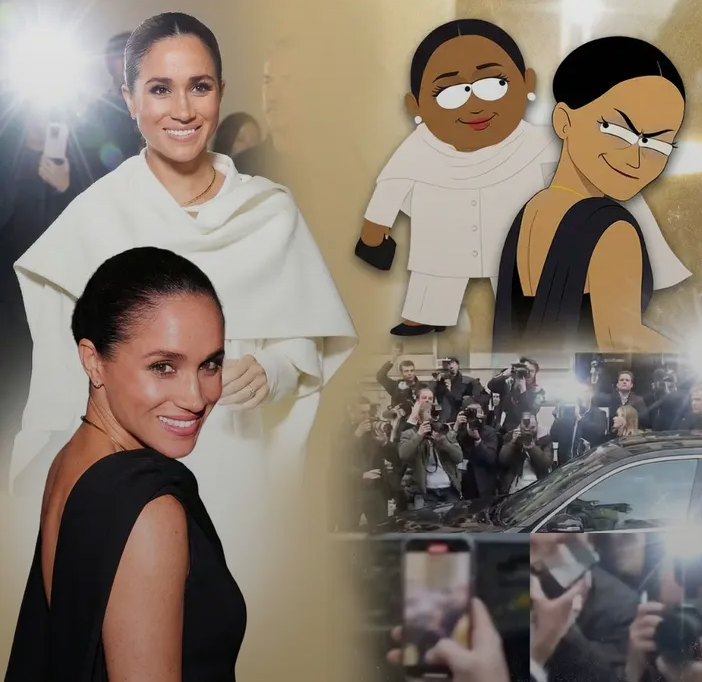
What began as a fleeting moment of high fashion has now spiraled into a full-blown pop-culture spectacle. A recent episode of South Park has gone viral after viewers recognized what appeared to be a pointed parody of Meghan Markle’s Paris Fashion Week appearance. The reaction was immediate, loud, and — for many — merciless.
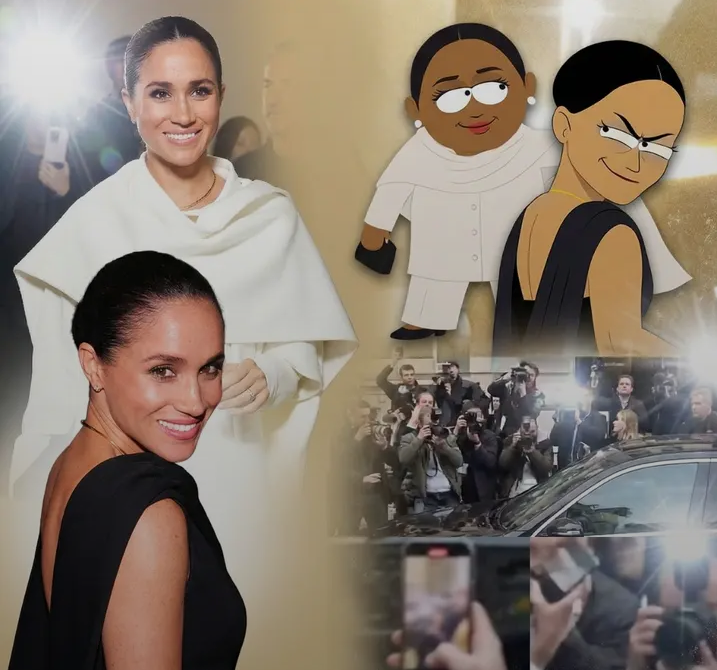
Unlike traditional satire that exaggerates for effect, this moment struck a different nerve. Online audiences noted that the parody barely altered the original look or posture. The joke, as many put it, was that there was very little to exaggerate. “That’s when you know it’s bad,” one viewer commented. “When satire just copies and still gets laughs.”

Social media erupted within hours. Memes multiplied, clips circulated, and comment sections filled with laughter rather than outrage. The tone was telling. Instead of heated debate, the dominant response was amusement — a signal that public perception may have shifted from controversy to comedy. “She’s not being attacked,” another commenter wrote. “She’s being laughed at. That’s worse.”
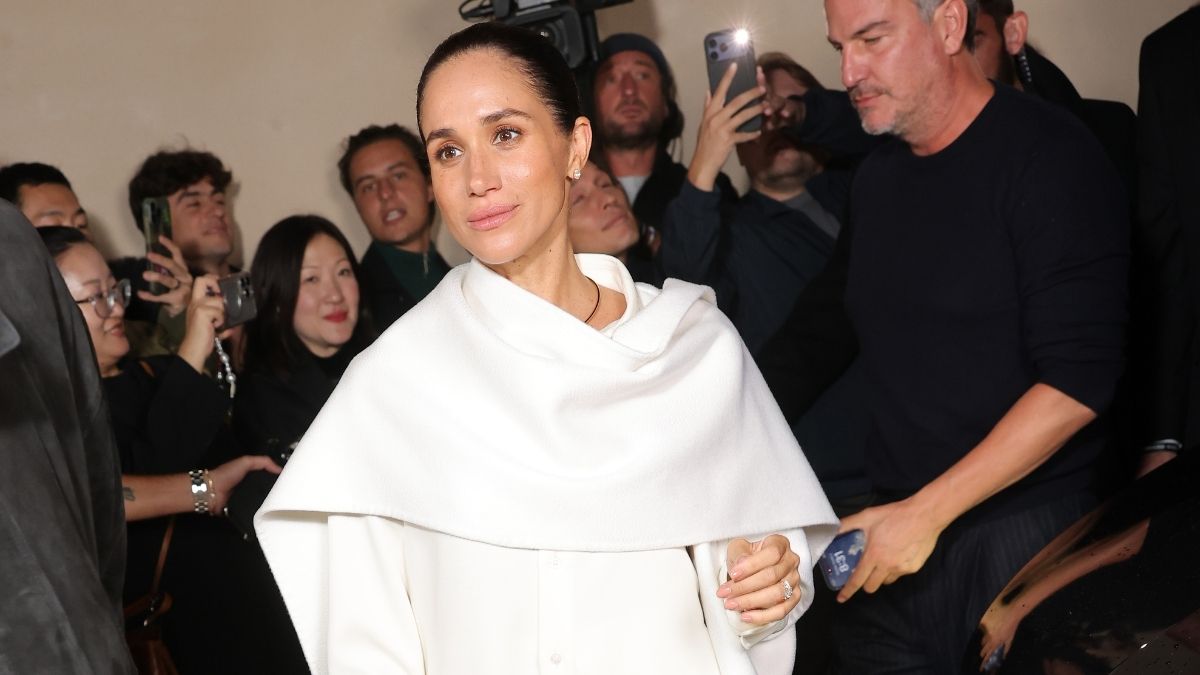
Supporters rushed to frame the episode as harmless humor, arguing that South Park has mocked everyone from presidents to pop stars. Yet critics pointed out an uncomfortable distinction: most targets eventually regain control of their narrative. Being reduced to a punchline, they argue, suggests something more permanent. “You can survive criticism,” one media analyst observed. “It’s much harder to survive ridicule.”

What makes this episode resonate is timing. Meghan’s public image has long relied on careful curation — fashion choices framed as statements, appearances presented as moments of empowerment. When such moments are mirrored back without reverence, the illusion of control fractures. “Satire strips away intention,” a cultural critic noted. “It shows how the moment lands, not how it was meant.”

Hollywood’s reaction, or lack thereof, has also drawn attention. There has been no wave of celebrity defenders, no coordinated pushback, no industry chorus condemning the joke. That silence speaks volumes. “When people stop protecting you,” one insider remarked, “it usually means they think the audience has already decided.”
To some observers, the parody marks a turning point. Meghan has often thrived in polarized environments, where supporters and critics clash loudly. This time, the laughter cut across both camps. “Even people who don’t dislike her are sharing the clip,” one reader pointed out. “That’s new.”

Of course, parody alone does not define a legacy. South Park episodes fade, memes age, and cultural attention moves on. But moments like this linger because they capture a mood. Right now, that mood appears less hostile than dismissive — a subtle but powerful shift. “She used to provoke debate,” another commenter said. “Now she provokes jokes.”
From a broader perspective, the episode highlights how fragile celebrity narratives can be in the age of viral humor. When public figures become symbols, they also become shortcuts for comedy. The Montecito lifestyle, the fashion symbolism, the carefully framed appearances — all of it becomes material once the audience stops taking it seriously.

Meghan and her representatives have remained silent, a choice that may be strategic. Engaging with satire often amplifies it. Yet silence also leaves interpretation unchallenged. As one royal watcher noted, “When you don’t respond, the joke gets to speak for you.”
Whether this moment has lasting consequences remains to be seen. Some argue it will pass like countless viral controversies before it. Others believe it signals a deeper erosion of cultural authority. “The moment you become funny,” a media strategist said, “you stop being powerful in the way you were before.”
For now, the verdict belongs to the audience — and the audience is laughing. Not angrily. Not cruelly. Just unmistakably.
And in the unforgiving economy of pop culture, that may be the loudest message of all.