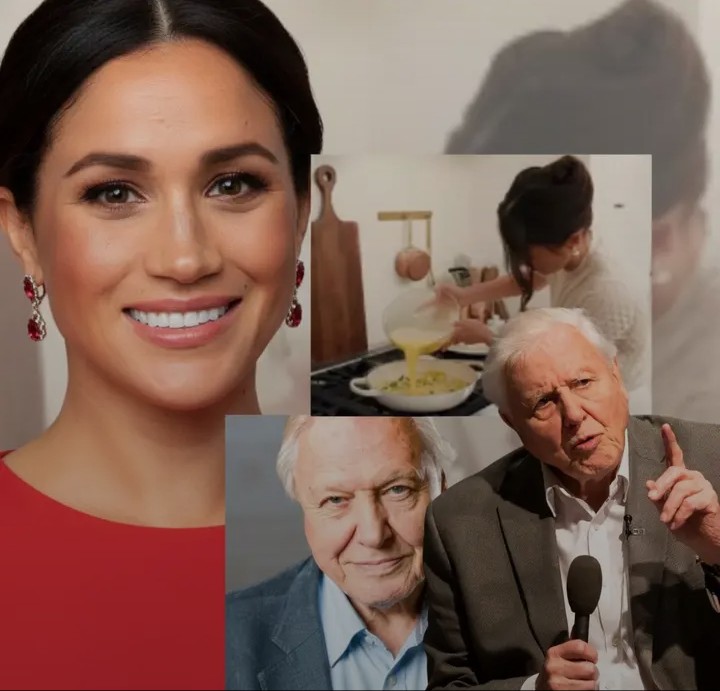
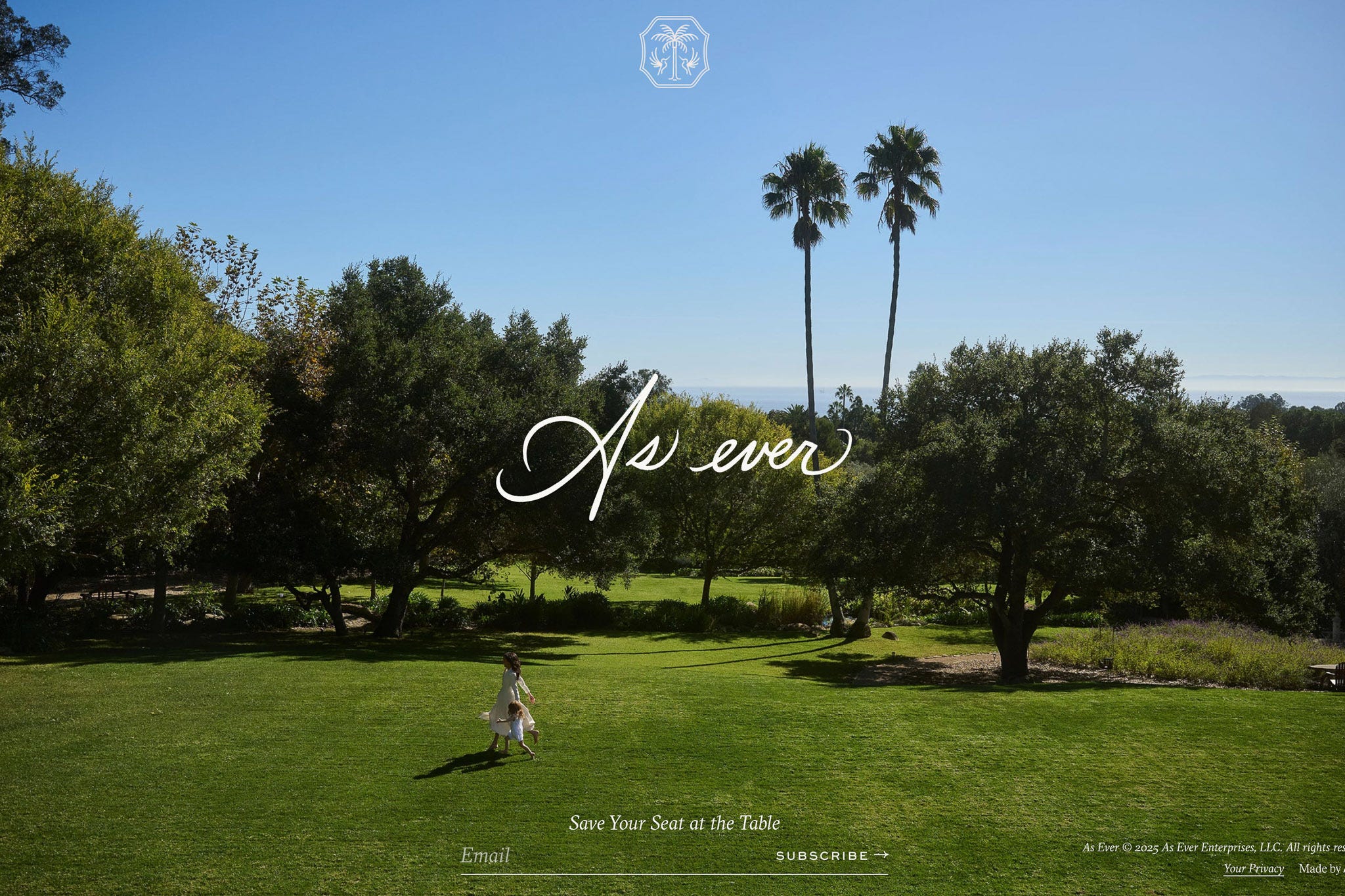
The controversy surrounding Meghan Markle and her lifestyle brand has intensified after reports emerged that one of the most respected voices in global environmentalism wanted nothing to do with her latest campaign. What began as online chatter quickly escalated into a reputational flashpoint when Sir David Attenborough was said to have firmly rejected any association with Meghan’s so-called “green” initiative, after his name appeared to be linked to her As Ever venture without his consent.
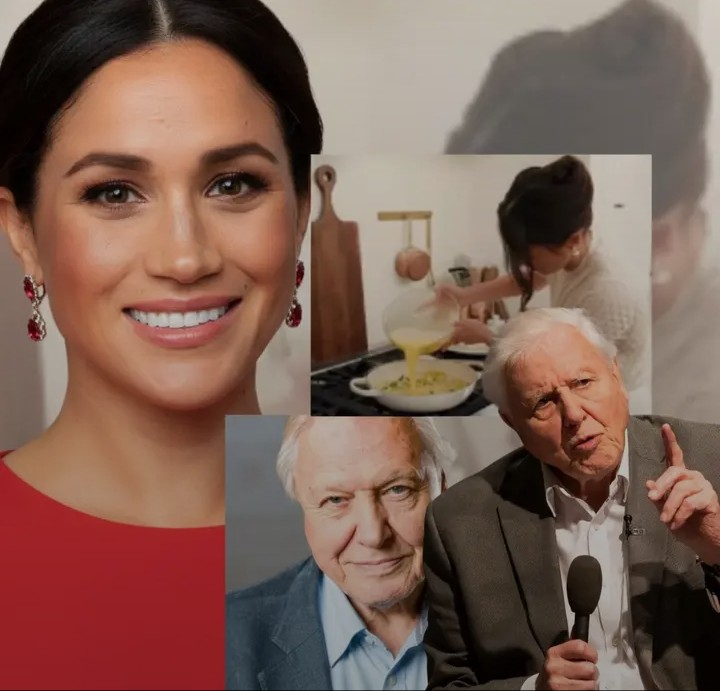
According to multiple media accounts, Attenborough’s refusal was not framed as a polite distancing but as a clear boundary. For a figure whose credibility has been built over decades of scientific rigor and moral authority, the idea of having his name connected — even indirectly — to a celebrity brand reportedly crossed a line. The message, as it was interpreted by observers, was stark: environmental integrity is not a marketing accessory.
The fallout was immediate. On social media, critics accused Meghan’s team of attempting to borrow legitimacy by proximity, arguing that attaching a revered name like Attenborough’s to a lifestyle brand was a calculated move designed to compensate for growing skepticism about the venture’s substance. Supporters pushed back, claiming the backlash was exaggerated and driven by long-standing hostility toward Meghan. Still, even neutral commentators noted that when a figure as universally respected as Attenborough publicly declines involvement, the optics are damaging.

What makes this episode particularly sensitive is the broader context in which it unfolds. Celebrity-led “eco-friendly” branding has become increasingly common, and increasingly scrutinized. Consumers are no longer satisfied with vague sustainability language or symbolic gestures. They expect transparency, measurable impact, and genuine expertise. Against that backdrop, any hint that a campaign is leaning on borrowed authority rather than demonstrable credentials can quickly trigger accusations of greenwashing.

Attenborough’s stance, whether intended as a broader statement or simply a personal boundary, has been interpreted as a rebuke of that trend. Several environmental advocates weighed in online, with one climate researcher writing that “real conservation work doesn’t need celebrity gloss — and it certainly doesn’t need name-dropping without consent.” Others argued that the incident highlights a growing divide between advocacy rooted in science and activism framed primarily through branding.
For Meghan, the timing could hardly be worse. Her brand has already faced questions about direction, authenticity, and long-term viability. Critics have repeatedly argued that her projects lean heavily on narrative and image, while supporters insist she is building something meaningful that simply challenges traditional expectations. This latest controversy feeds directly into that unresolved debate.
Notably, Meghan herself has not publicly addressed the reports about Attenborough’s refusal. That silence has allowed speculation to flourish. Some see it as a strategic decision to avoid amplifying the story. Others interpret it as a sign that her team is struggling to contain yet another narrative spiral. In the absence of clarification, online discourse has filled the gap, often in the harshest possible terms.
A branding consultant quoted in British media described the situation as “a textbook reputational risk.” According to the expert, aligning with respected figures can be powerful, but only when those relationships are explicit, consensual, and substantive. “If the public senses even a hint of opportunism,” the consultant said, “trust erodes very quickly — and trust is everything for a lifestyle brand.”
The reaction also underscores how unforgiving the current media environment has become. Celebrity entrepreneurs are no longer judged solely on their visibility or intent; they are evaluated against professional standards typically applied to established companies and nonprofits. Any misstep, particularly one involving perceived ethical overreach, is magnified.
Whether this incident has lasting consequences for Meghan’s brand remains to be seen. Some controversies burn hot and fast before fading. Others become reference points that critics return to whenever questions of credibility arise. What is clear is that this episode has reinforced a narrative Meghan has struggled to escape — that her projects are scrutinized less for what they promise and more for how they are executed.
In the end, Sir David Attenborough’s reported refusal may say as much about the evolving expectations of environmental advocacy as it does about Meghan Markle’s branding challenges. In a space where integrity is currency, even the perception of misusing a trusted name can be costly. For Meghan’s venture, the incident has become another high-profile test of whether image-driven ambition can withstand the demand for authenticity — and whether the public is willing to give her brand the benefit of the doubt once more.