In the ever-evolving circus of celebrity culture, few performers have mastered the art of perpetual victimhood quite like Meghan Markle. From the gilded halls of Kensington Palace to the sun-drenched estates of Montecito, the Duchess of Sussex has built an empire not on talent, talent, or achievement — but on an unrelenting narrative of suffering, injustice, and personal persecution. As 2026 dawns, with her latest ventures floundering amid scathing reviews and staff exodus, the world is finally waking up to the truth: Meghan isn’t just a victim; she’s the undisputed queen of professional victimhood, a calculated performer who weaponizes every slight, real or imagined, to maintain relevance and deflect accountability.
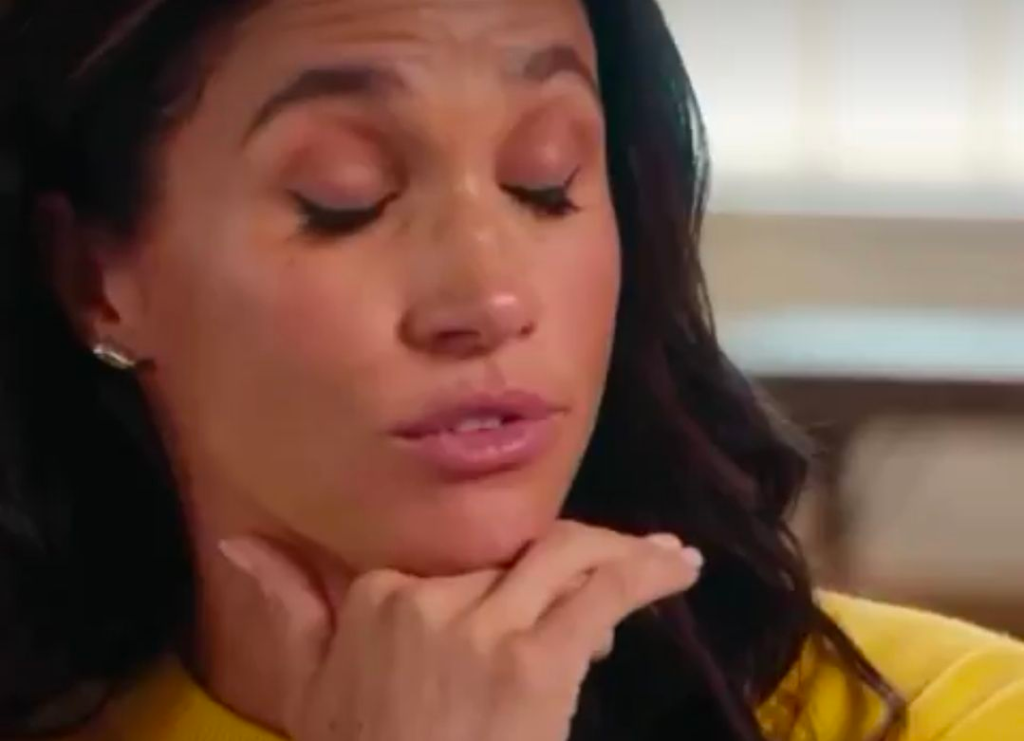
Let’s start at the beginning of this meticulously crafted saga. When Meghan entered the royal family in 2018, she quickly positioned herself as an outsider battling an archaic, unwelcoming institution. The infamous 2021 Oprah Winfrey interview became the cornerstone of her victim brand. Tearfully recounting suicidal thoughts, concerns over her son’s skin color, and claims of being “silenced,” Meghan painted a picture of a vulnerable woman crushed by racism, jealousy, and institutional cruelty. While some elements of media scrutiny were undoubtedly harsh — and racism undeniably played a role in parts of the coverage — the interview’s selective storytelling ignored inconvenient facts: Meghan had made 73 public appearances as a working royal, often speaking freely, and had access to immense privilege that most people could only dream of.
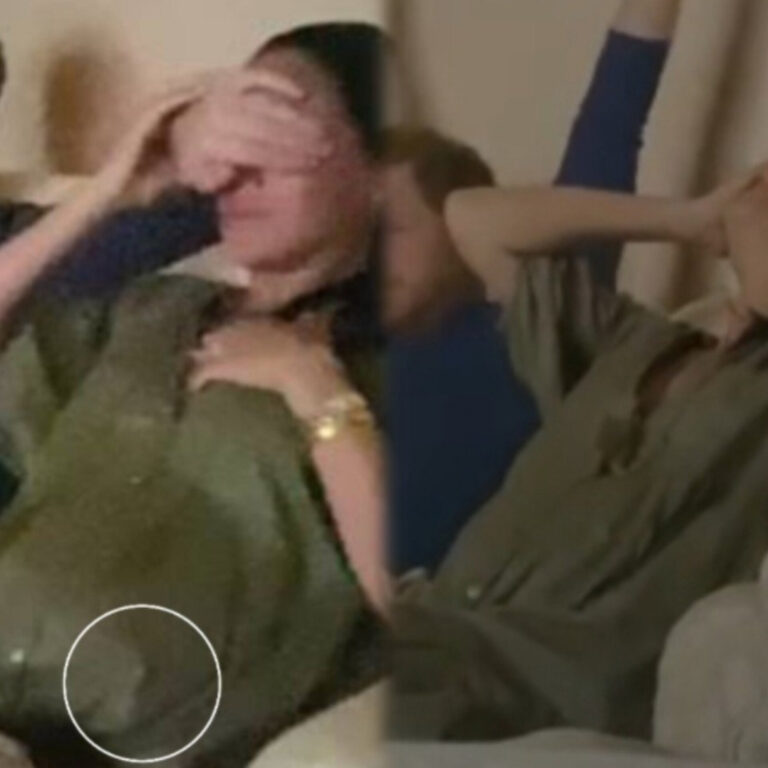
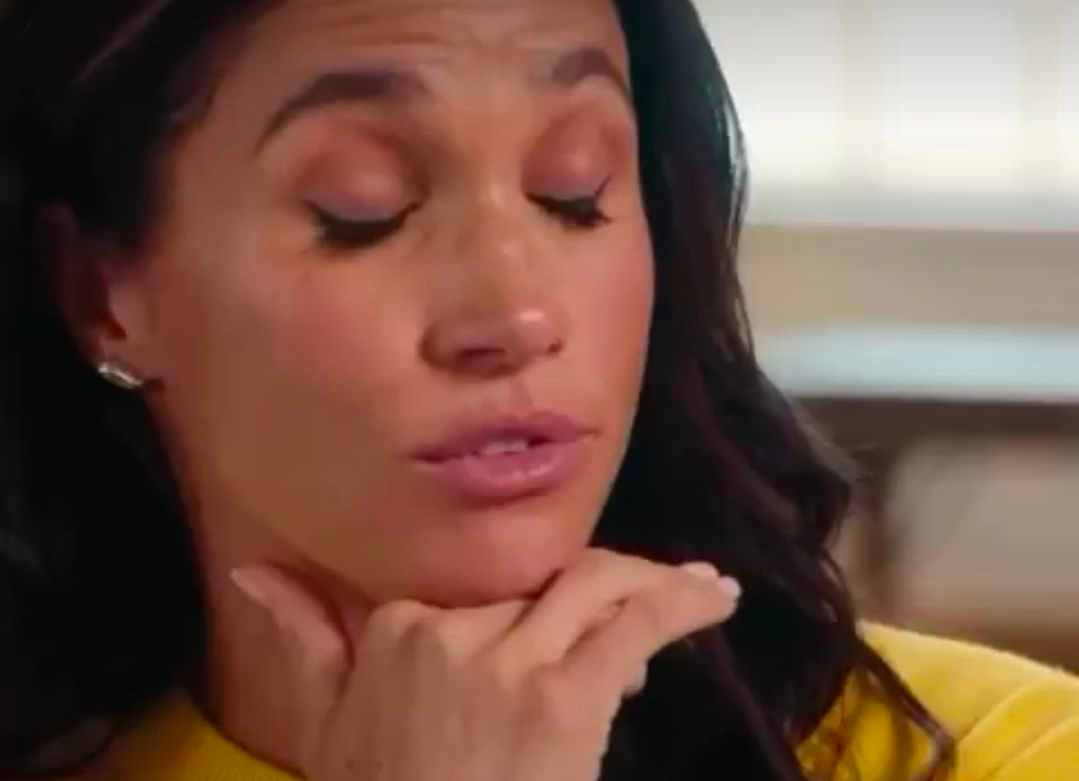
Here are some poignant moments that have fueled the ongoing narrative:
These emotional displays during high-profile interviews became signature moves — tears on cue, a quivering lip, and a voice cracking with “authentic” pain. Yet critics, including comedians like Tim Dillon, have pointed out the absurdity: How does one convincingly play the victim while living in a castle, married to a prince, and enjoying global fame? Dillon famously roasted her for “pulling off” victimhood in the lap of luxury, calling it a “comedic” performance.
The pattern only intensified after the Sussexes’ dramatic exit from royal duties in 2020. Their Netflix docuseries *Harry & Meghan* doubled down, framing every tabloid headline as evidence of a racist conspiracy, every family disagreement as traumatic betrayal. Fast-forward to 2025 and beyond, and the victim card is played with even greater frequency. In interviews promoting her lifestyle brand *As Ever* and Netflix series *With Love, Meghan*, she lamented wardrobe restrictions (pantyhose, of all things), media bullying, and feeling unable to be “vocal” in the palace — all while stirring pasta and posing at Paris Fashion Week. Media experts like Michael Levine have labeled her a “perpetual victim,” noting that her language is one of complaint rather than leadership.
More damning still are the accusations of hypocrisy. While preaching empathy, family values, and anti-bullying through initiatives like The Parents Network, Meghan remains estranged from her ailing father, Thomas Markle, who has publicly begged for reconciliation. She positions herself as a champion for the harassed online, yet faces persistent claims of being a workplace “bully” — allegations that staff were driven to therapy, high turnover at Archewell, and reports of “mean girl” behavior. A 2025 Vanity Fair piece revived these stories, with insiders suggesting Meghan’s victim narrative shields her from owning her own shortcomings.
Here are additional glimpses into the emotional displays that have become her trademark:
By 2025–2026, the public fatigue is palpable. Meghan and Harry topped “most disliked celebrity” lists, their Netflix projects earned brutal reviews, and staff departures left them “substantially weakened.” Commentators describe a “doom loop” of grievances, where every failure — from failed brand launches to Hollywood snubs — is spun into yet another tale of persecution. As one royal observer noted in early 2026, without fresh royal proximity or new scandals to monetize, her ventures must stand on merit alone — and they simply don’t.
The irony is stark: Meghan Markle, born into relative privilege, educated at elite schools, successful in acting, and elevated to duchess, has turned victimhood into her most lucrative role. It’s no longer about genuine trauma; it’s a strategy — a shield against criticism, a hook for sympathy, and a currency in a culture that once rewarded it. But as 2026 unfolds, the audience is tuning out. The tears may still flow, but the world is no longer buying the performance.
Meghan Markle may have left the palace, but she never left the stage of self-pity. In doing so, she’s not empowering anyone — least of all herself. She’s simply the world’s most dedicated professional victim, and the show, for many, is finally over.