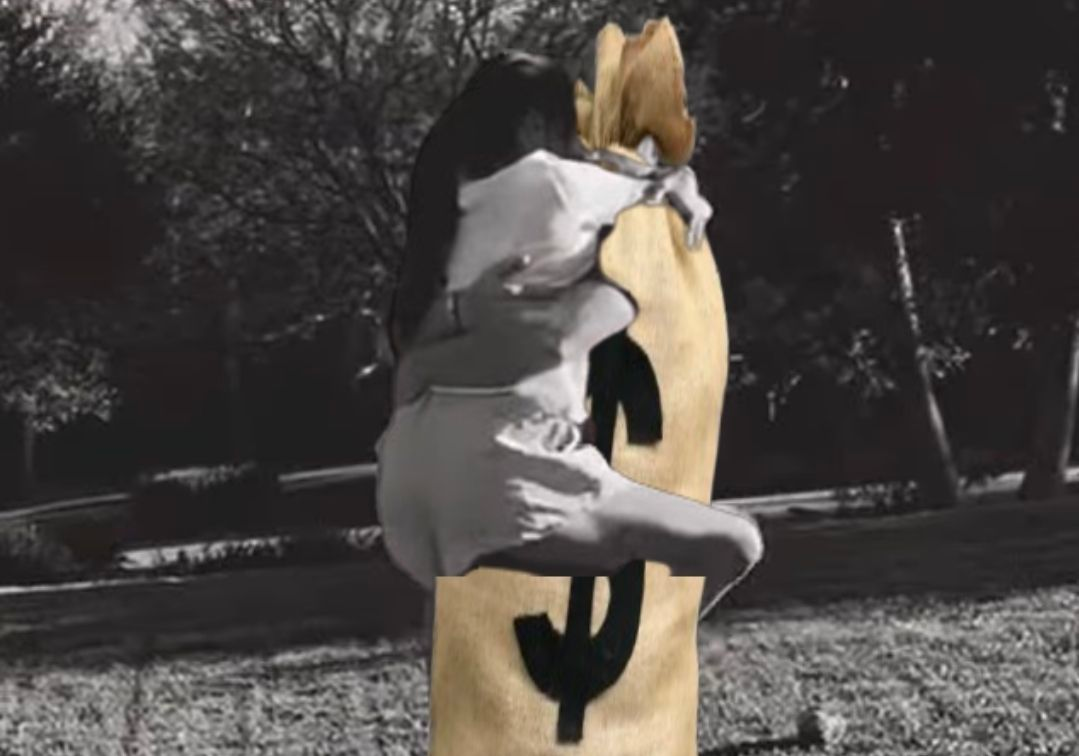
In the opulent yet opportunistic world of celebrity royalty, where every smile is scripted and every embrace engineered for maximum profit, Meghan Markle has once again pulled back the curtain on her true motivations—and it’s not the fairy-tale romance she’s peddling. The Duchess of Sussex’s newly released Instagram video, posted amid the viral “2026 is the new 2016” trend, purports to showcase a tender moment of dancing with Prince Harry, captured by their daughter Princess Lilibet. But peel away the black-and-white filter, the contrived choreography, and the nostalgic throwback to their 2016 Botswana getaway, and what you’re left with is a glaring confirmation of what royal watchers have suspected all along: For Meghan, it’s always been about the money bag. She doesn’t love Prince Harry, never has, and this latest PR stunt only underscores her calculated pursuit of wealth, fame, and financial security at the expense of genuine affection. This isn’t love; it’s a lucrative performance, and the world is finally waking up to the act.
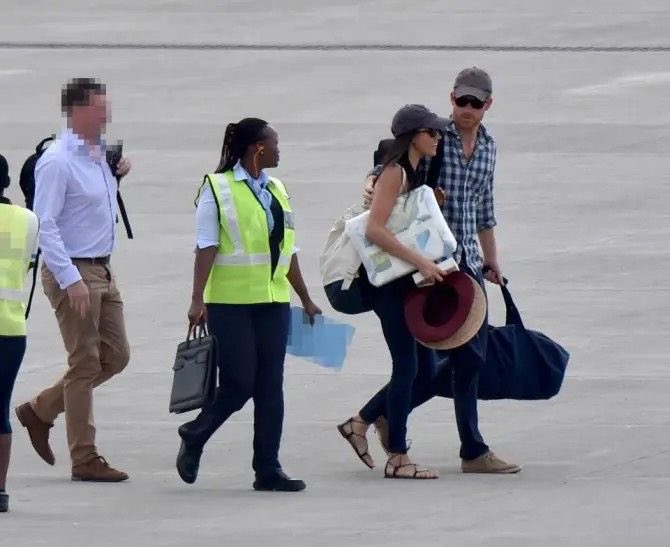
Let’s dissect this so-called “romantic” video with the scrutiny it deserves, starting with the timing and context. Released on January 16, 2026, the clip shows Meghan and Harry twirling barefoot on their Montecito lawn, complete with hugs, a cheeky butt grab (in a more risqué version that surfaced later), and a kiss that screams “overcompensation” rather than passion. Credited to four-year-old Lilibet as the filmmaker, it’s packaged as an intimate family snapshot, juxtaposed with a 2016 photo from their third date in Botswana—back when Harry was still the naive prince charmed by the ambitious actress. But why now? The answer lies in the couple’s crumbling empire. With their Netflix deal hanging by a thread after lackluster projects like the 2022 docuseries *Harry & Meghan* and Harry’s 2023 memoir *Spare*, which raked in millions but alienated allies, Meghan is desperate to rebrand. This video isn’t a heartfelt nod to the past; it’s a calculated bid to humanize their image, boost social media engagement, and secure the next big paycheck. After all, in the Markle playbook, vulnerability equals virality, and virality equals dollars.
From the very beginning, Meghan’s trajectory has been a masterclass in monetary maneuvering disguised as destiny. Born Rachel Zane on the USA Network’s *Suits*, she clawed her way from bit parts to a steady gig, but it was her 2011 marriage to film producer Trevor Engelson that first hinted at her pattern: Align with power players for upward mobility. That union ended in 2013 amid rumors of incompatibility—code for “not lucrative enough”—paving the way for her royal upgrade. Enter Prince Harry in 2016, the ultimate jackpot: A vulnerable spare heir with a multimillion-pound trust fund, global fame, and access to palaces. Their whirlwind romance? Less serendipity, more strategy. Meghan, then 34 and eyeing her post-*Suits* pivot, saw Harry not as a soulmate but as a stepping stone. The Botswana trip, romanticized in the video, was her hook—exotic, adventurous, and perfectly Instagram-able. But insiders whisper that even then, discussions revolved around branding opportunities, not butterflies. By 2018, they were wed in a spectacle watched by billions, but the fairy tale cracked quickly. Megxit in 2020 wasn’t about privacy; it was about monetizing the monarchy without the duties. Goodbye, Buckingham Palace; hello, Spotify deals ($20 million, squandered on *Archetypes*), Netflix contracts ($100 million, yielding flops), and a $14 million Montecito mansion funded by Harry’s inheritance.
This new video confirms the charade in damning detail. Watch closely: The dancing feels forced, like a scene from one of Meghan’s old acting reels—rehearsed smiles, strategic touches, and that black-and-white filter to evoke authenticity while hiding the hollowness. Lilibet as camerawoman? A cynical ploy to exploit their children for sympathy points, dragging a toddler into the PR machine. The throwback to 2016 screams deflection: “Look how in love we were!” But were they? Harry’s body language in early photos shows a man besotted, while Meghan’s gaze often drifts toward the camera, as if calculating her next endorsement. Fast-forward to 2026, and the cracks are evident. Reports of separate lives—Harry globe-trotting for Invictus while Meghan networks in Hollywood—paint a picture of a partnership in name only. The video’s cheeky elements, like the butt grab, aren’t playful; they’re performative, designed to go viral and attract tabloid headlines that translate to ad revenue on her socials. And let’s not forget the caption: “When 2026 feels just like 2016…you had to be there.” Translation: “Pay attention to our brand; we’ve got merch coming.”
The financial fingerprints are everywhere, condemning Meghan’s motives beyond doubt. Since ditching the royals, the Sussexes have amassed a fortune—estimated at $60 million—but at what cost? Harry’s family ties are in tatters, his mental health publicly dissected in *Spare* for profit, all while Meghan positions herself as the empowered breadwinner. Yet her ventures reek of opportunism: American Riviera Orchard, her lifestyle brand launched in 2024, peddles jams and linens at premium prices, capitalizing on royal allure without the accountability. The video ties into this seamlessly—a soft launch for more content, perhaps a teaser for another Netflix special or a book sequel. Critics argue it’s love, but actions speak louder: Meghan’s pre-Harry net worth was around $5 million; post-Harry, she’s a mogul. Coincidence? Hardly. She’s weaponized his title, his trauma (from Diana’s death to palace intrigues), and now their kids for gain. Lilibet and Archie aren’t just family; they’re props in a perpetual money-making scheme.
Delve deeper into the psychology, and the condemnation intensifies. Relationship experts point to signs of unequal affection: Harry’s memoirs gush about Meghan as his savior, while her narratives focus on empowerment and escape—code for “I upgraded my lifestyle.” The video’s intimacy feels staged because it is; real love doesn’t need viral trends to affirm it. Compare to other royals: Kate Middleton’s affection for William shines in unscripted moments, not curated clips. Meghan’s history—ditching friends like Jessica Mulroney when they no longer serve her ascent—mirrors her approach to Harry. He’s her golden ticket, but as his star dims (polls show declining popularity), whispers of tension mount. The video? A desperate Band-Aid, confirming she’s clinging not out of love, but fear of losing the money bag. Without Harry’s royal cachet, would she stay? History suggests no.
This isn’t just tabloid fodder; it’s a tragic indictment of a woman who prioritizes profit over partnership. Harry’s vulnerability—his PTSD, his outsider status—made him easy prey, and Meghan pounced. The video, far from proving devotion, exposes the facade: A dance not of joy, but of deception. Royal enthusiasts, beware: Supporting the Sussexes funds this farce. Harry deserves real love, not a mercenary masquerade. Meghan, your gig is up—the world sees through the filter. Time to drop the act and admit: It’s always been about the money.