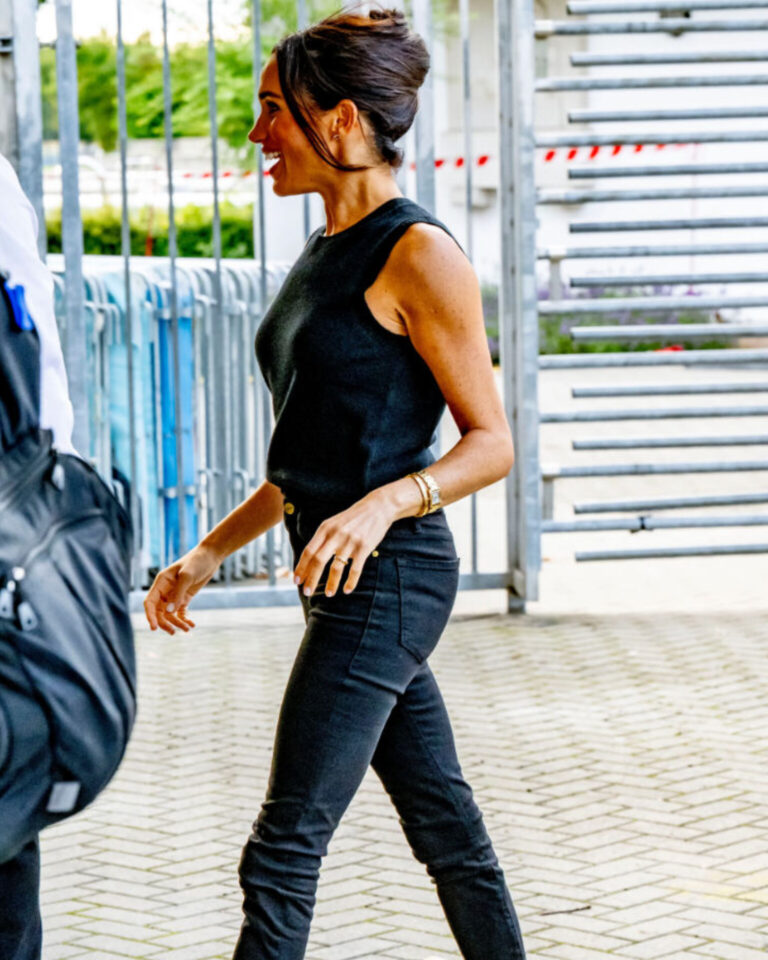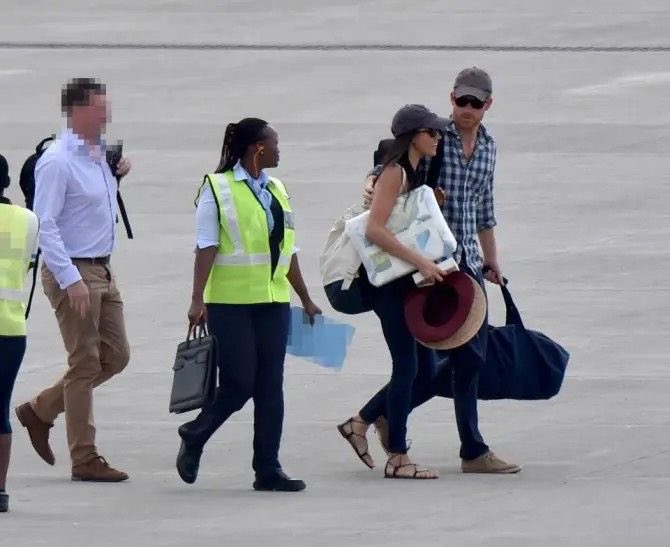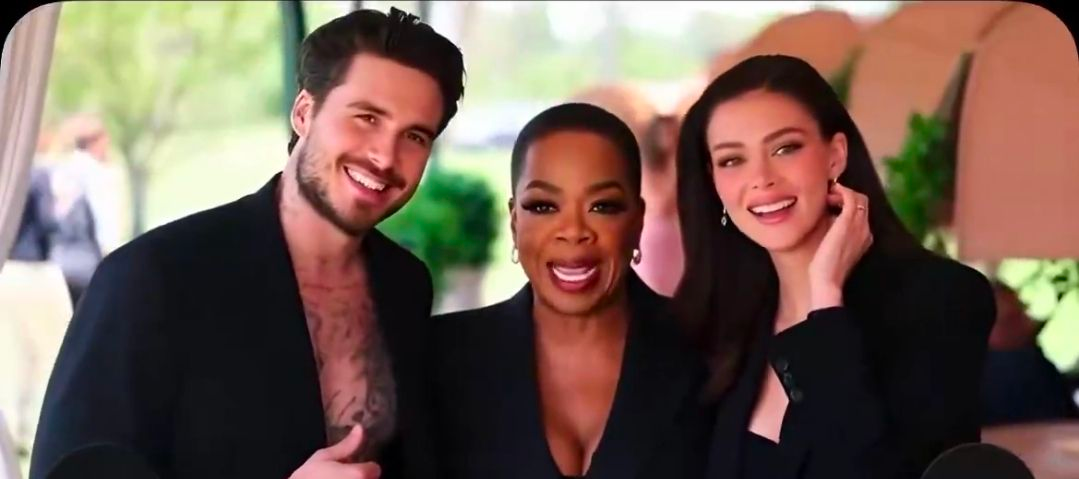
In the glittering yet treacherous world of celebrity confessions, Oprah Winfrey has long reigned as the undisputed queen of the couch. But as whispers swirl around Brooklyn Beckham and Nicola Peltz Beckham potentially joining her infamous interview roster, one can’t help but wonder: has the formula become too predictable, too manipulative, and far too damaging? Following the seismic fallout from Prince Harry and Meghan Markle’s 2021 tell-all – a spectacle that transformed personal grievances into global headlines while shredding family ties in the process – it seems Oprah is poised for another remix. This time, the young Beckhams, with their own rumored “toxic family” dramas, could be the next pawns in what critics are calling a credibility circus disguised as empathetic journalism. It’s time to pull back the curtain on Oprah’s playbook: find a messy couple, amplify unverified allegations, and watch the ratings soar while truth takes a backseat.
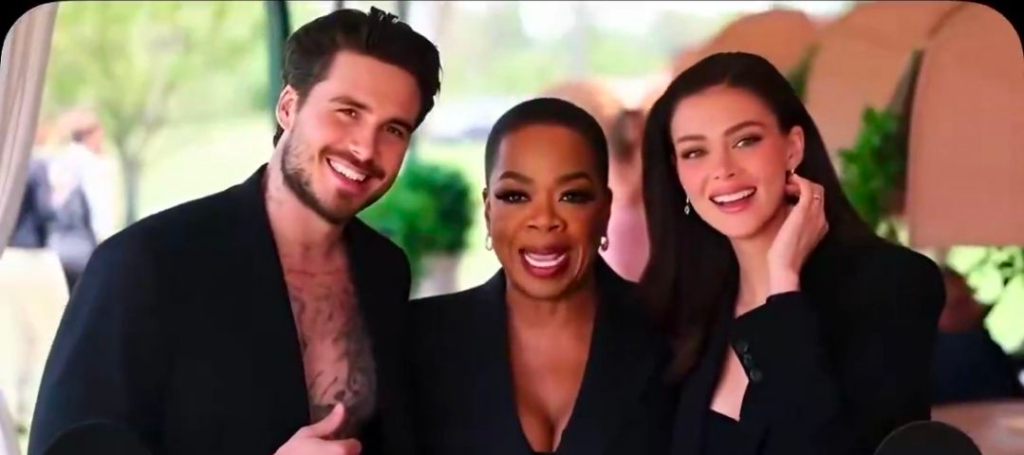
Let’s rewind to the archetype that started it all – or at least, the modern iteration that turned Oprah’s interviews into must-watch events laced with controversy. In March 2021, Harry and Meghan sat down with Oprah in what was billed as a raw, unfiltered conversation about their exit from royal life. What ensued was a two-hour barrage of bombshells: accusations of racism within the palace, mental health struggles dismissed by the institution, and a narrative of victimhood that painted the British monarchy as a cold, unfeeling machine. Oprah, with her signature wide-eyed nods and gentle prods, facilitated the dialogue like a therapist in prime time. The interview drew over 17 million viewers in the U.S. alone, spawning endless spin-offs, books, and Netflix deals. But at what cost? Credibility, for one. The couple’s claims were presented largely unchallenged, with Oprah’s questions steering the narrative toward sympathy rather than scrutiny. Fact-checkers later poked holes in several assertions – from the timing of their wedding to the specifics of palace interactions – yet the damage was done. Families were fractured, public opinion polarized, and Oprah’s brand emerged unscathed, if not elevated, as the go-to confessor for the elite.
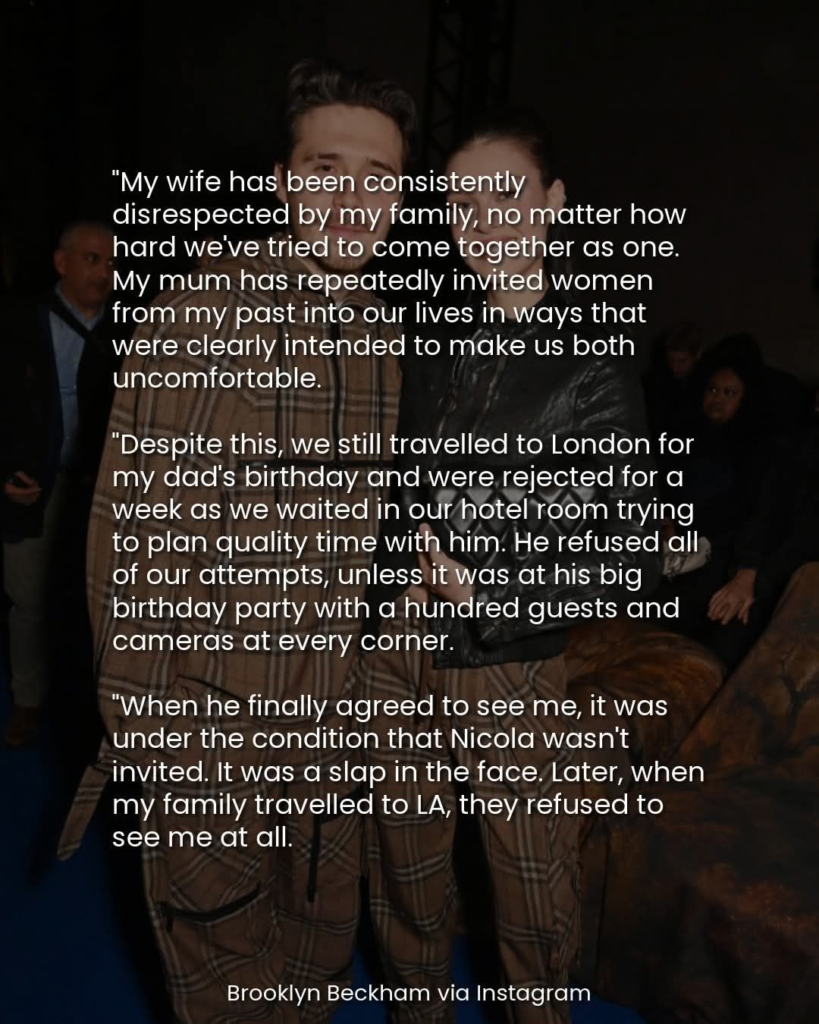
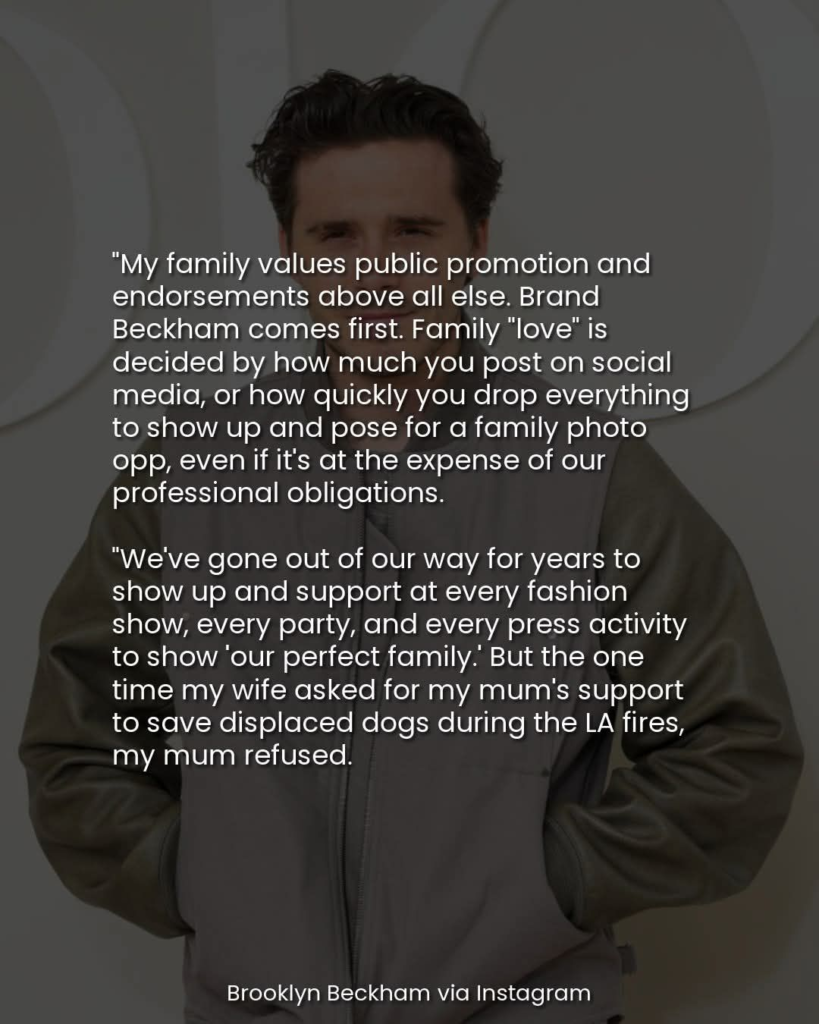
Fast-forward to today, January 2026, and the pattern repeats with eerie precision. Enter Brooklyn Beckham, the 26-year-old son of soccer legend David and fashion icon Victoria Beckham, and his wife, actress Nicola Peltz Beckham. Married in a lavish 2022 ceremony that screamed excess – complete with a $3 million budget and celebrity guests galore – their union has since been dogged by rumors of familial friction. Reports have surfaced of tensions between Nicola and her in-laws, particularly Victoria, with whispers of “toxic” dynamics fueled by clashing egos and professional jealousies. Nicola’s cryptic social media posts, Brooklyn’s awkward public defenses, and leaked stories about skipped family events have all added fuel to the fire. Now, insiders suggest Oprah is circling, ready to offer her couch as the stage for another “humanitarian documentary” – code for a one-sided sob fest where allegations fly freely, and rebuttals are nowhere to be found.
This isn’t journalism; it’s entertainment engineered for maximum drama. Oprah’s formula is as calculated as it is condemnable. Step one: Identify a couple on the brink, preferably with intergenerational baggage that taps into universal themes like parental control or in-law interference. Harry and Meghan checked the box with royal “toxicity”; the Beckhams could mirror it with celebrity dynasty woes. Step two: Frame the interview as empowerment, allowing the subjects to “cry their way through” their story. Tears are currency here – remember Meghan’s poignant recounting of suicidal thoughts, met with Oprah’s affirming silence? Expect similar waterworks from Nicola, perhaps detailing how Victoria’s influence stifled her independence, or Brooklyn lamenting divided loyalties. Step three: Nod along like it’s a profound revelation, avoiding hard-hitting follow-ups that might expose inconsistencies. Why probe when empathy sells? Finally, step four: Reap the rewards. Ratings spike, social media erupts, and Oprah’s image as the compassionate truth-seeker solidifies, even as families splinter and public discourse devolves into tabloid fodder.
But let’s delve deeper into why this approach is so profoundly problematic. At its core, Oprah’s method exploits vulnerability for profit. These aren’t balanced exposés; they’re monologues masquerading as dialogues. In the Harry-Meghan interview, the royal family was effectively tried and convicted in absentia, with no opportunity for response until the dust had settled. Similarly, if the Beckhams take the bait, David and Victoria – icons who’ve built empires on resilience and family unity – could find themselves vilified without a platform to defend. This one-sidedness erodes trust in media. In an era of fake news and echo chambers, Oprah’s nod-and-weep style doesn’t illuminate; it inflames. It prioritizes emotional spectacle over factual rigor, turning complex human relationships into scripted villainy. And for what? A boost in viewership that lines pockets while leaving emotional wreckage in its wake.
Consider the broader cultural impact. Oprah’s interviews have normalized the weaponization of personal pain. What began as therapeutic catharsis in her earlier shows has morphed into a blueprint for celebrity revenge. Harry and Meghan’s session inspired a wave of copycats: from Britney Spears’ conservatorship revelations to other high-profile feuds aired on similar platforms. Now, with the Beckhams potentially next, we’re witnessing the commodification of “toxic family” narratives. It’s a remix that’s as lazy as it is lucrative – swap out the royals for the Beckhams, add a dash of millennial angst, and voila: instant goldmine. But this cycle perpetuates harm. Families, already strained by fame’s glare, are further torn apart. Public figures like Brooklyn, raised in the spotlight, risk alienating loved ones for fleeting validation. And viewers? We’re conditioned to consume trauma as entertainment, blurring the line between empathy and voyeurism.
Critics argue Oprah’s empathy is her strength, but in these high-stakes confessionals, it’s a shield for bias. Her history shows a pattern: from Michael Jackson’s 1993 defense against allegations (later overshadowed by further scandals) to Lance Armstrong’s 2013 doping admission, Oprah excels at drawing out confessions, but often at the expense of accountability. In the Harry-Meghan case, she didn’t press on contradictions, like the couple’s lucrative media deals amid privacy pleas. Would she do the same for the Beckhams? Likely, yes – nodding sagely as Nicola perhaps accuses Victoria of “emotional sabotage,” without exploring the full context of a blended family’s challenges.
As we brace for this potential Beckham bombshell, it’s worth asking: when does the couch become a circus? Oprah’s formula, once groundbreaking, now feels formulaic and fatiguing. It’s time to condemn this cycle of manufactured drama. True journalism demands balance, not blind affirmation. Families deserve privacy, not public trials. And celebrities? They merit scrutiny, not a free pass to air grievances unchallenged. If Brooklyn and Nicola do sit down with Oprah, expect tears, headlines, and heartbreak – but don’t mistake it for truth. It’s just the latest remix in a tired playlist, where ratings trump integrity every time.
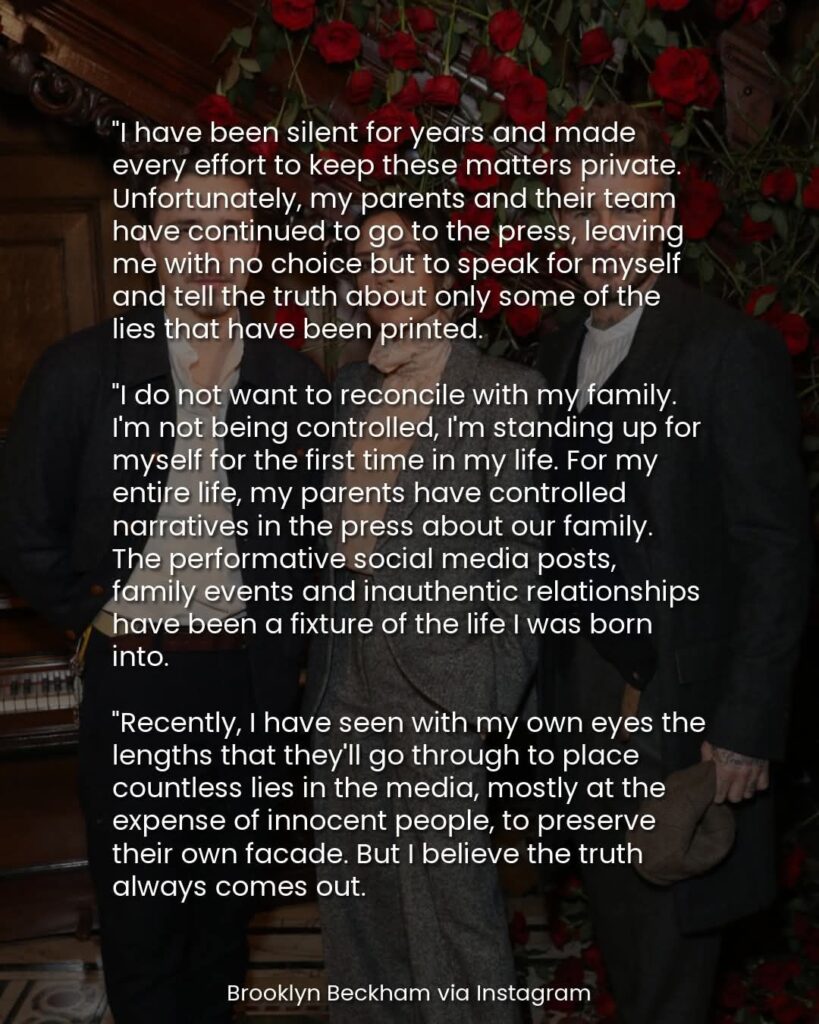
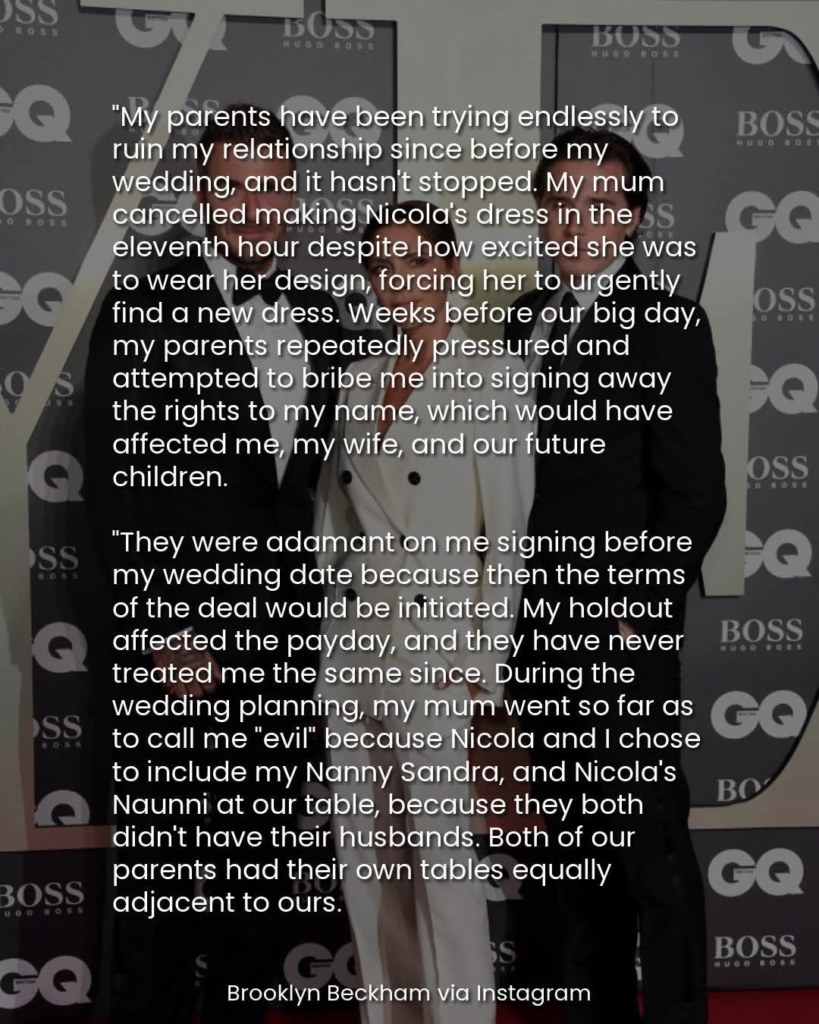
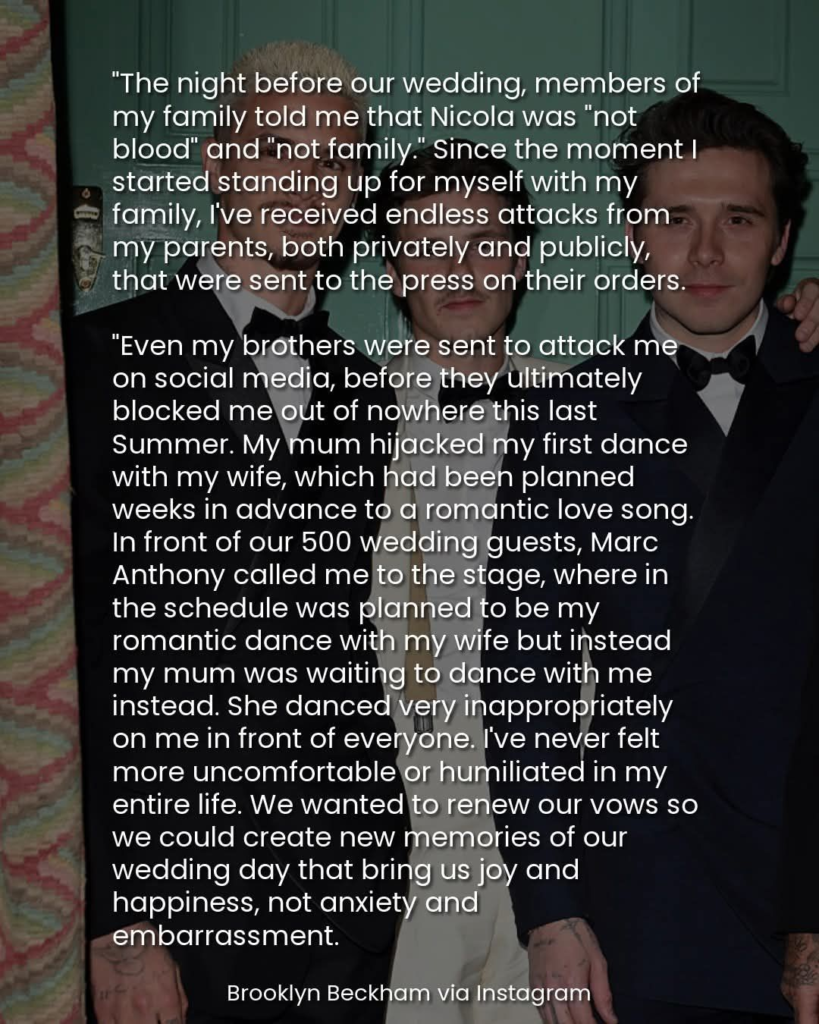
In the end, Oprah’s legacy as a media titan is undeniable, but this chapter risks tarnishing it. From Harry and Meghan’s royal rupture to the Beckhams’ brewing storm, the confession couch has become a symbol of exploitation. Isn’t it time we demand more than nods and narratives? Let’s hope the Beckhams think twice – or better yet, that Oprah rethinks her remix. The world has enough circuses; what we need is credible conversation.