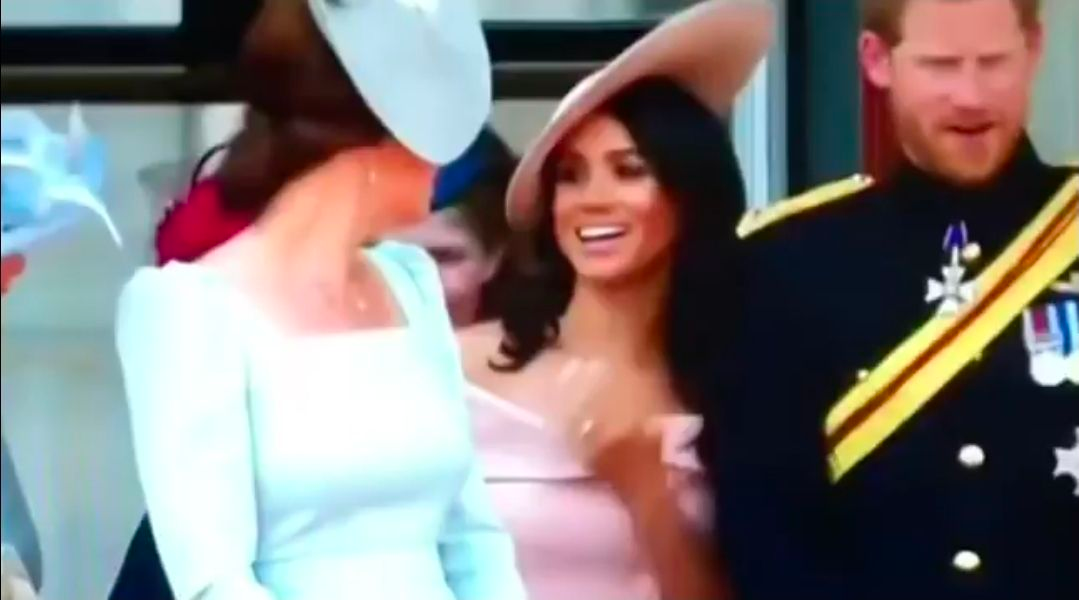
In the polished world of royal appearances, where every gesture is choreographed and every smile rehearsed, true intentions often slip through in the split-second moments no one expects to be captured. One such moment has haunted royal watchers for years: Meghan Markle’s calculated smile directed at Princess Catherine, followed immediately by that infamous side-eye – a fleeting, loaded glance that screams assessment, judgment, and barely concealed satisfaction. It wasn’t just a look; it was an audit. The smile served as bait, luring the camera (and perhaps Catherine herself) into believing harmony existed. The side-eye? That was the real reveal – Meghan checking to see if her subtle dig had landed, if her presence had unsettled the future queen just enough to register.
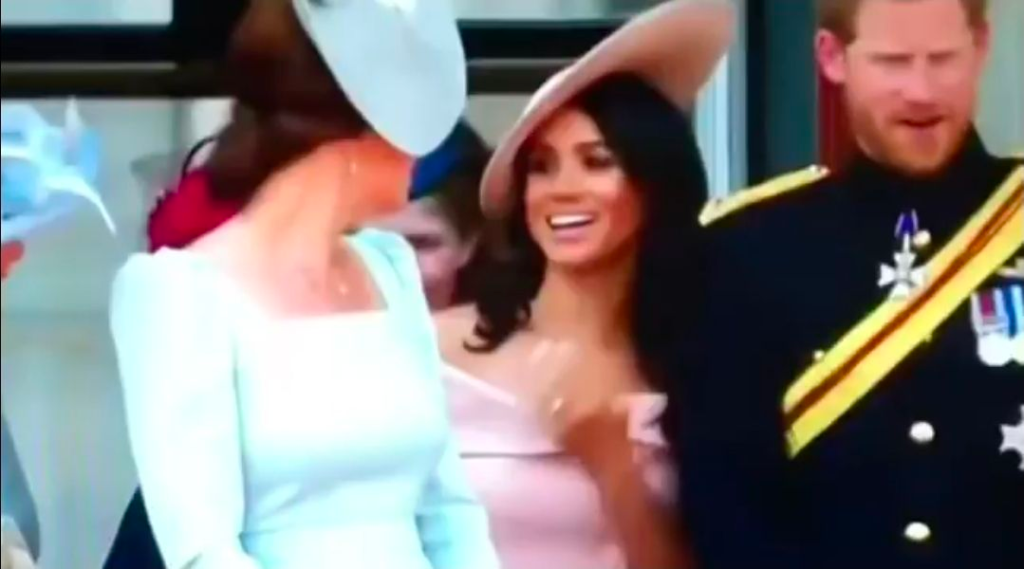
This wasn’t an isolated incident. Compilations circulating online, including viral videos resurfaced as recently as January 2026 to mark Catherine’s 44th birthday, document at least 15 alleged instances where Meghan’s eyes betrayed envy, resentment, and a mean-girl delight in Catherine’s discomfort. From the 2018 Royal Foundation Forum, where Meghan’s micro-expressions during Catherine’s speech were interpreted as simmering jealousy, to the Fab Four’s debut appearances filled with sly smiles and possessive gestures toward Harry, the pattern is unmistakable. Meghan doesn’t just glance; she evaluates, measures, and – critics argue – relishes any sign that her rival is rattled.
Body language experts have weighed in repeatedly, pointing to Meghan’s “communicative eye expression” – a technique honed from her acting days – that Catherine, with her more reserved demeanor, simply doesn’t employ. In one analyzed clip from a joint event, Meghan turns her head slowly toward Catherine, holds the gaze just long enough to feign warmth, then whips it back with a smirk that doesn’t reach her eyes. Catherine, ever the professional, turns away biting her lip, visibly uncomfortable – a rare crack in her poised facade. “Mean girl stuff going on there,” one observer noted. “I’ve never seen anyone make Catherine look like that.” Meghan’s smile in these moments is performative; the side-eye is predatory.
The Windsor Walkabout after Queen Elizabeth II’s passing in 2022 provided perhaps the most dissected example. Meghan and Catherine appeared together in a show of unity, but experts spotted Meghan delivering a “major side eye” to her sister-in-law. The glance was quick, deliberate – as if confirming the impact of whatever tension simmered beneath the surface. Meghan’s head snaps away almost instantly, but not before the camera catches the calculation. It’s the look of someone who knows exactly what she’s doing: testing boundaries, probing for weakness, and quietly celebrating any flicker of unease in the woman who embodies everything Meghan aspired to but could never fully claim.
This behavior fits a broader narrative of Meghan’s fixation on Catherine. Insiders and analysts describe Meghan as “envious and spiteful,” turning away dramatically when Catherine passed by during the Queen’s Jubilee or fixating on her with soul-consuming jealousy during public outings. At events like the Commonwealth Day service or even the Queen’s funeral, Meghan’s glances – sometimes covert stares ablaze with resentment – suggest she couldn’t stand the sight of Catherine’s effortless grace and public adoration. While Catherine radiates quiet dignity, Meghan’s responses appear calculated to undermine it: a frozen smile here, a possessive gesture there, always with that telltale side-eye to gauge the damage.
What makes this side-eye so condemning is its subtlety – the hallmark of calculated malice rather than overt rudeness. Meghan, the former actress, knows how to play to the camera: flash the dazzling Hollywood grin to sell the narrative of sisterly solidarity, then steal a private audit to confirm her superiority or Catherine’s vulnerability. It’s not accidental; it’s strategic. And in a family bound by duty and decorum, where public unity is paramount, such micro-aggressions erode trust far more effectively than any shouted argument ever could.
Catherine, by contrast, has endured these moments with remarkable restraint. Friends describe her as “150 percent more reserved” than even Prince William, refusing to engage in the pettiness. When Meghan’s name or projects like *Suits* came up in conversation, Kate reportedly rolled her eyes – a rare, human admission of exasperation – but never descended to the same level of covert hostility. Catherine’s smiles are genuine; her glances warm or neutral. Meghan’s? Often a mask hiding something far less charitable.
The tragedy here isn’t just personal – it’s institutional. Meghan’s arrival promised a modernizing force for the monarchy, yet her subtle digs at Catherine – the woman destined to wear the crown she once eyed – fueled division rather than unity. The side-eye wasn’t mere jealousy; it was an audit of power dynamics, a quiet declaration that Meghan refused to play second fiddle. In doing so, she alienated not just Catherine, but the public that values grace under pressure over performative charm.
Years later, as compilations of these moments go viral and royal watchers dissect every frame, one truth emerges: that fleeting side-eye said more than a thousand press statements ever could. It exposed the rot beneath the surface – a calculated cruelty disguised as poise. Meghan Markle didn’t just glance; she audited, assessed, and apparently approved of any discomfort she caused. In the unforgiving spotlight of royalty, such behavior isn’t subtle – it’s damning.