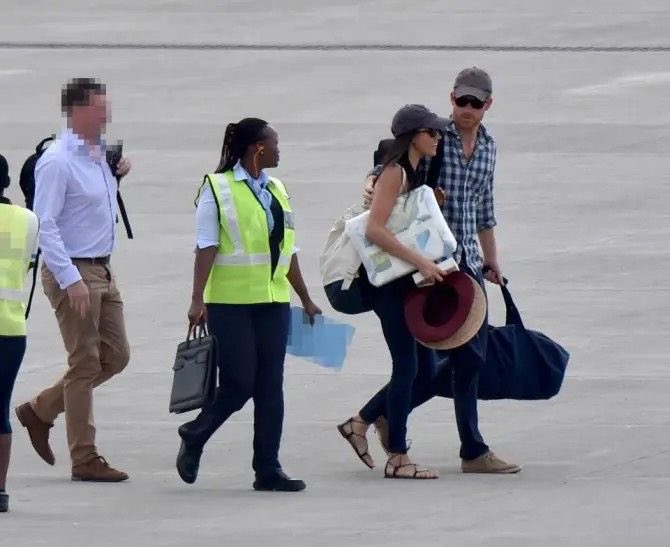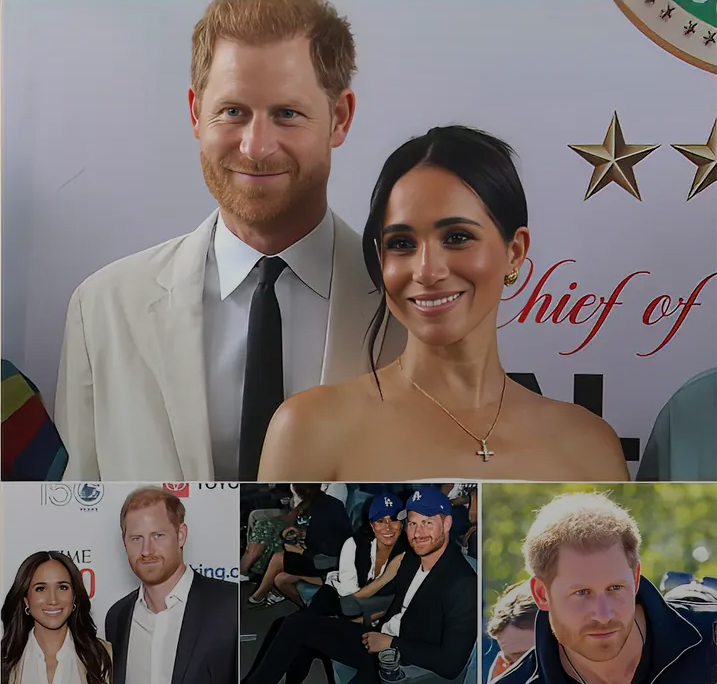
The conversation around Prince Harry and Meghan Markle’s potential return to the UK has taken a sharp turn toward satire, sparked by reports of an extraordinary list of demands allegedly attached to an Invictus Games–related visit in Birmingham. What began as whispers about security and logistics has grown into a cultural flashpoint, especially after South Park weighed in with its trademark mockery. The reaction says as much about public fatigue as it does about the couple themselves.
Prince Harry & Meghan Markle Divorce Rumors Get an Update
At the center of the storm are claims that Meghan expects a level of treatment more befitting a reigning monarch than a private citizen: a private jet, multiple hotel floors secured exclusively for her entourage, strict security protocols, and even a supposed “no eye contact” rule for staff. Whether exaggerated or not, the narrative has captured the public imagination because it feeds into a long-running debate about image, entitlement, and the gap between rhetoric and reality. One royal watcher put it bluntly: “You can’t spend years denouncing royal excess and then appear to demand it on demand.”
Where Are Prince Harry & Meghan Markle During Trooping the Colour 2025?
South Park’s intervention amplified that sentiment. The show’s satire portrayed the Sussexes as symbols of celebrity grievance culture—figures who speak the language of victimhood while operating within extraordinary privilege. For many viewers, the joke landed because it mirrored what they already felt. As one social media commenter noted, “When a cartoon nails the public mood better than any op-ed, you know something’s shifted.”
Did Meghan Markle’s Surprise World Series Appearance Hint at Her Hollywood Comeback?
The Invictus Games complicate matters. Founded to honor wounded veterans and celebrate resilience, Invictus has long enjoyed goodwill across political and cultural lines. Critics argue that attaching personal drama to the Games risks overshadowing the athletes themselves. “Invictus shouldn’t become a backdrop for celebrity theater,” said a former service member in a radio call-in. “The focus should be on the competitors, not who gets which hotel floor.”
Prince Harry Set For UK Comeback Without Meghan Markle
Supporters of Meghan counter that heightened security concerns are not vanity but prudence, pointing to past harassment and the couple’s stated fears. They argue that satire trivializes legitimate safety issues and ignores the reality of public threats. Yet even among sympathetic voices, there is unease about optics. A media analyst observed that perception often matters more than intent: “If people see excess, they’ll assume excess—fair or not.”
The reported demands also revive questions about the Sussexes’ relationship with Britain. After a highly public departure and years of criticism aimed at the UK press and institutions, any return was bound to be fraught. For some, the idea of arriving with maximal security and ceremonial trappings feels like reopening old wounds. “You can’t leave loudly, complain loudly, and then come back quietly,” a columnist wrote. “The contradictions invite scrutiny.”
Financial context adds another layer. With commercial projects under intense scrutiny and Hollywood enthusiasm seemingly cooled, cynics frame the UK visit as strategic repositioning rather than reconciliation. South Park’s satire leaned hard into that interpretation, depicting a couple scrambling to reclaim relevance. A viewer’s quip summed up the mood: “Satire hurts most when it feels plausible.”
Still, it would be simplistic to reduce the entire episode to mockery. The Sussexes remain polarizing because they sit at the crossroads of monarchy, celebrity, and modern media. Their every move is filtered through an ecosystem that rewards extremes—adoration or derision, rarely nuance. In that environment, rumors metastasize quickly, and satire becomes a shorthand for collective judgment.
What is undeniable is the risk to Invictus if the narrative continues on this path. Organizers and supporters stress that the Games must remain centered on veterans, not VIP protocols. “If cameras follow personalities instead of participants, we’ve lost the plot,” a longtime volunteer warned. That concern echoes widely, cutting across views about Harry and Meghan themselves.
As the debate rages, South Park’s roast functions less as an attack on individuals and more as a barometer of public patience. The laughter carries an edge: a demand for consistency, humility, and clarity. Whether the alleged demands are real, inflated, or misunderstood may matter less than how they resonate. In today’s media climate, perception becomes the story, and satire becomes the verdict.
If a UK return does happen, the challenge will be recalibrating focus—away from spectacle and toward substance. The public has signaled, loudly, that it wants fewer theatrics and more authenticity. As one commenter put it, half-joking and half-exasperated, “If you want us to look, give us something worth seeing.”