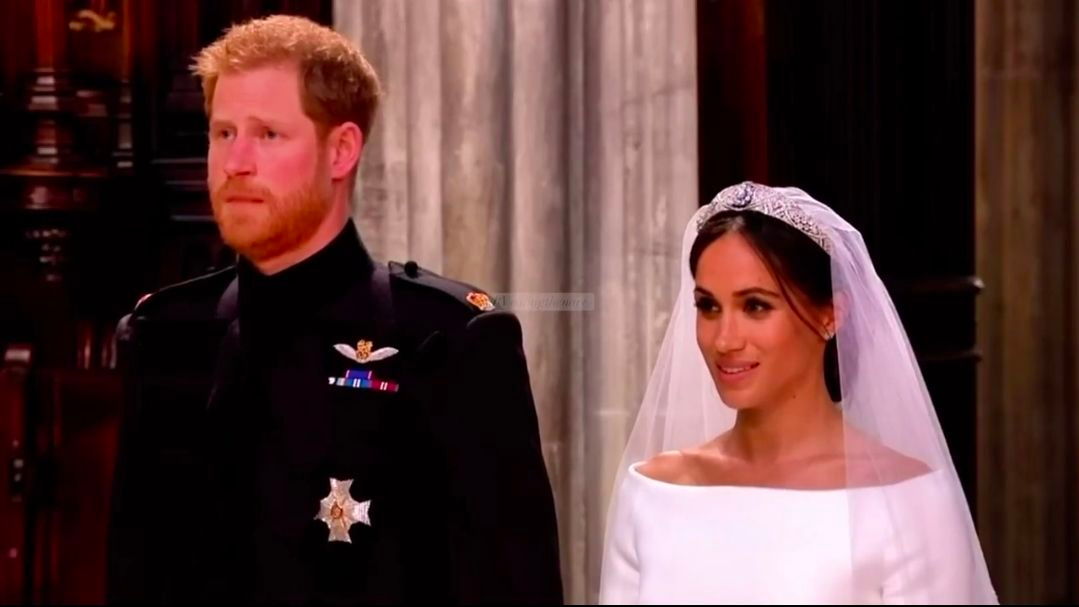
In the glittering spectacle of May 19, 2018, when the world tuned in to witness the fairy-tale union of Prince Harry and Meghan Markle at St. George’s Chapel in Windsor Castle, expectations ran high. This was no ordinary wedding; it was a royal affair steeped in centuries of tradition, where every gesture, every glance, carried the weight of history and protocol. Yet, amid the pomp and pageantry, one fleeting moment stood out—not for its grace, but for its glaring inadequacy. As the newlyweds turned to acknowledge Queen Elizabeth II, the matriarch of the British monarchy and a symbol of unwavering duty, Meghan’s so-called curtsy was nothing short of a travesty: a blink-and-you’ll-miss-it baby dip, executed with all the sincerity of a poorly rehearsed stage prop. This wasn’t deference; it was a crack in the performance, a mask slip that hinted at the deeper fissures to come in her tumultuous relationship with the royal institution.
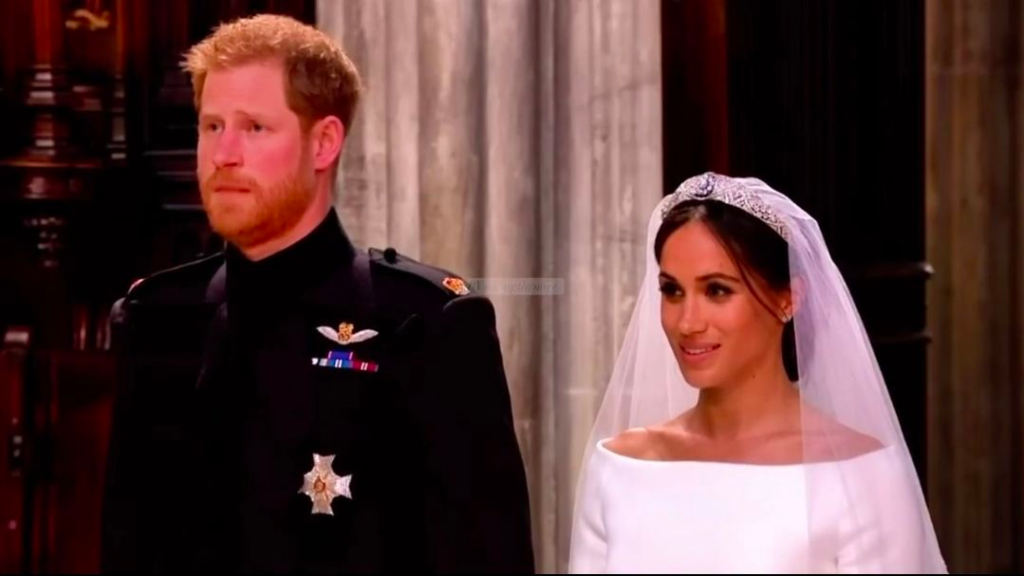
Let us rewind to that precise instant, captured in grainy footage that has since been dissected by royal watchers and critics alike. As Harry bowed his head in a respectful nod—a gesture ingrained in him from birth—Meghan dipped ever so slightly, her knees barely bending, her posture rigid and unyielding. It was over in a flash, obscured by awkward camera angles that some apologists have used as an excuse. But excuses won’t wash away the reality: this was no heartfelt homage to the Queen, but a perfunctory nod that screamed reluctance and entitlement. Body language experts have long pointed out the tells—the fleeting hesitation, the lack of eye contact, the abrupt recovery—as signs of discomfort, if not outright disdain. In that split second, the “performance” cracked, revealing a woman who viewed royal customs not as venerable traditions to honor, but as burdensome relics to minimally tolerate.
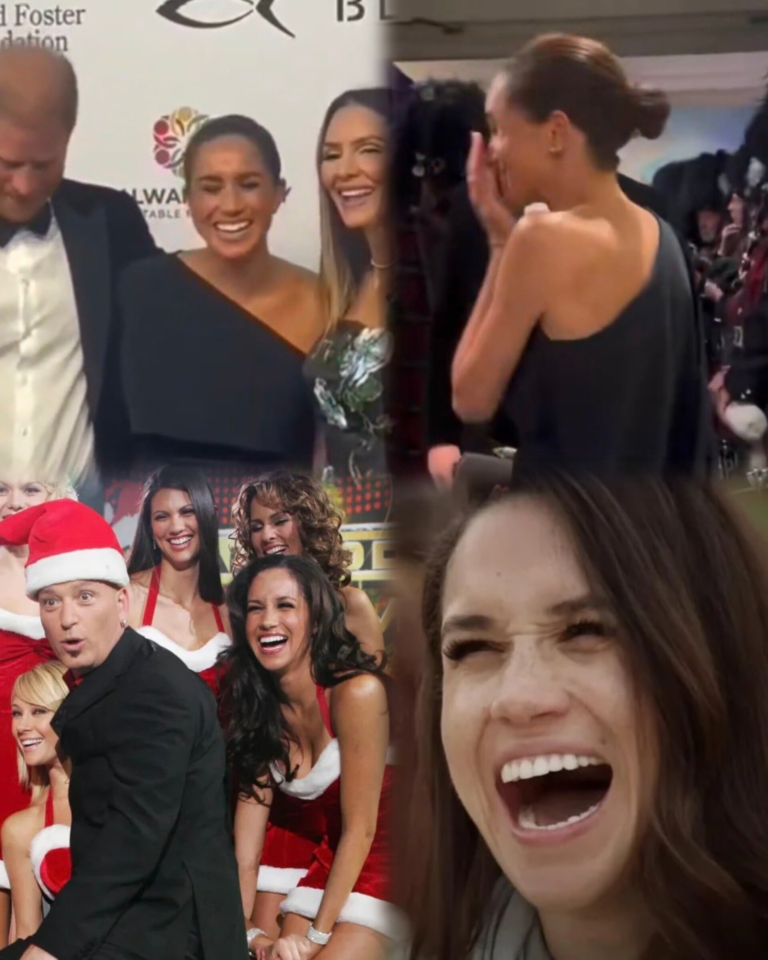
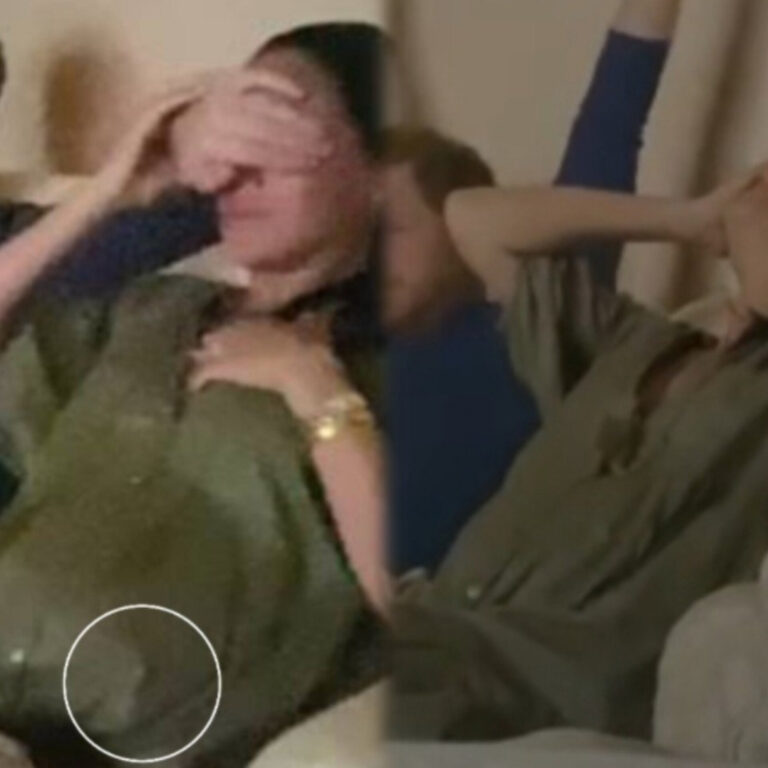
To understand the gravity of this faux pas, one must grasp the significance of the curtsy within the royal framework. It’s more than a quaint bow; it’s a symbol of respect for the sovereign, a acknowledgment of the hierarchy that has sustained the monarchy through wars, scandals, and societal shifts. Queen Elizabeth II, who ascended the throne in 1952 and dedicated her life to service until her passing in 2022, embodied this duty. For a newcomer like Meghan—an American actress accustomed to the egalitarian ethos of Hollywood—to skim over such a ritual was not just an oversight; it was an affront. Critics have noted how this minimal effort foreshadowed her later behaviors, from breaking protocol by walking ahead of the Queen during joint engagements to mocking the very act of curtsying in her 2022 Netflix docuseries “Harry & Meghan.” In that series, Meghan reenacted her first curtsy to the Queen with exaggerated flair, giggling as she proclaimed, “Pleasure to meet you, Your Majesty,” turning a moment of cultural adaptation into a punchline for global consumption. Such mockery didn’t just offend royalists; it alienated everyday observers who saw it as a petty dig at a revered elderly woman.
Delving deeper, this wedding-day dip wasn’t an isolated incident but part of a pattern of perceived slights that began long before the vows were exchanged. Reports emerged of tensions behind the scenes, including a heated exchange between Meghan and the Queen over her choice of wedding veil, which some saw as another deviation from tradition. As a divorced woman wearing white—a color traditionally reserved for first-time brides in royal circles—her ensemble already raised eyebrows, with insiders claiming it discomforted the Queen, who valued decorum above all. Then there was the infamous tiara debacle, where Meghan’s demands reportedly clashed with palace protocols, further straining relations. But the curtsy—or lack thereof—crystallized these issues. Viral videos and analyses have resurfaced time and again, with commentators labeling it “disrespectful” and “minimal,” a far cry from the deep, graceful curtsies performed by other royals like Kate Middleton, who, despite not being born into aristocracy, mastered the art with poise and sincerity.
Social media has been unforgiving in its verdict, with posts amplifying the criticism. One widely shared clip captures the moment, dubbing it a “baby dip” right after a “full-on mask slip,” where Meghan’s composed facade momentarily falters, betraying what many interpret as insincerity or even arrogance. Another user decried it as “vile and unforgivable,” pointing out how Meghan’s actions perpetuated stereotypes of Americans as uncouth while ignoring the universal expectation of respect toward a monarch. These sentiments echo broader frustrations: Meghan entered the royal fold with promises of modernization, yet her approach often came across as dismissive rather than progressive. Hugging palace guards upon her early visits to Kensington Palace—while endearing to some—flouted the reserved norms of the institution, as she herself admitted, “I’m American. I hug.” But affection isn’t protocol, and her refusal to fully adapt signaled a clash that would eventually lead to Megxit.
Prince Harry’s role in this saga adds another layer of condemnation. As a born royal, he should have guided his bride through these intricacies, yet he stood by as the superficial bow unfolded. Later, in their Netflix series, he watched silently as she mocked the curtsy, his discomfort palpable but unvoiced—a betrayal of his grandmother’s legacy. Critics argue this complicity stemmed from his own grievances, but it only amplified the perception of Meghan as the driving force behind their rebellious narrative. Her later claims of ignorance—insisting she thought curtsying was a “joke” when Harry first mentioned it—have been called out as fabrications, especially given her prior acting roles that involved similar etiquette. This alleged lie fueled accusations of manipulation, painting her as someone who weaponizes naivety for sympathy.
The repercussions of that barely-there curtsy rippled far beyond the chapel walls. It set the tone for a tenure marked by controversy: from allegations of bullying staff to extravagant demands that strained palace resources. One post sums it up starkly: “Meghan’s mockery achieved the opposite. It made her appear insecure, arrogant, and unwilling to bridge any gap.” Indeed, what could have been a moment of unity became a symbol of division, foreshadowing the couple’s departure from royal duties in 2020. In hindsight, that wedding dip wasn’t just minimal; it was emblematic of a deeper disdain for the traditions she claimed to embrace.
Today, as we reflect on May 2018 from the vantage of 2026, the irony is stark. Queen Elizabeth’s reign ended with dignity intact, her legacy one of quiet strength. Meghan, meanwhile, has built a brand on rebellion, but at what cost? That cracked performance at the altar revealed more than a faulty curtsy—it exposed a fundamental mismatch between an ambitious outsider and an ancient institution. In the end, the blink-and-you’ll-miss-it bow wasn’t a minor slip; it was the first crack in a facade that continues to crumble under scrutiny. The royal family, and the public, deserved better.