In the gilded halls of Buckingham Palace and the sun-soaked estates of Montecito, Prince Harry has long positioned himself as the misunderstood hero, the whistleblower against a supposedly toxic institution. But peel back the layers of his self-crafted narrative—fueled by tell-all books, Netflix specials, and Oprah interviews—and a far darker portrait emerges. This is no fairy-tale prince; this is a man plagued by a volatile temper, a history of troubling behavior, and a pattern of racism that he has desperately tried to deflect onto his own family. From his infamous Nazi costume scandal to explosive outbursts caught on camera, Harry’s life story isn’t one of redemption; it’s a chronicle of entitlement, aggression, and hypocrisy that has left a trail of shattered relationships and public outrage in its wake. As we dissect the evidence in 2026, it’s clear: Prince Harry isn’t the victim—he’s the villain in his own royal tragedy.
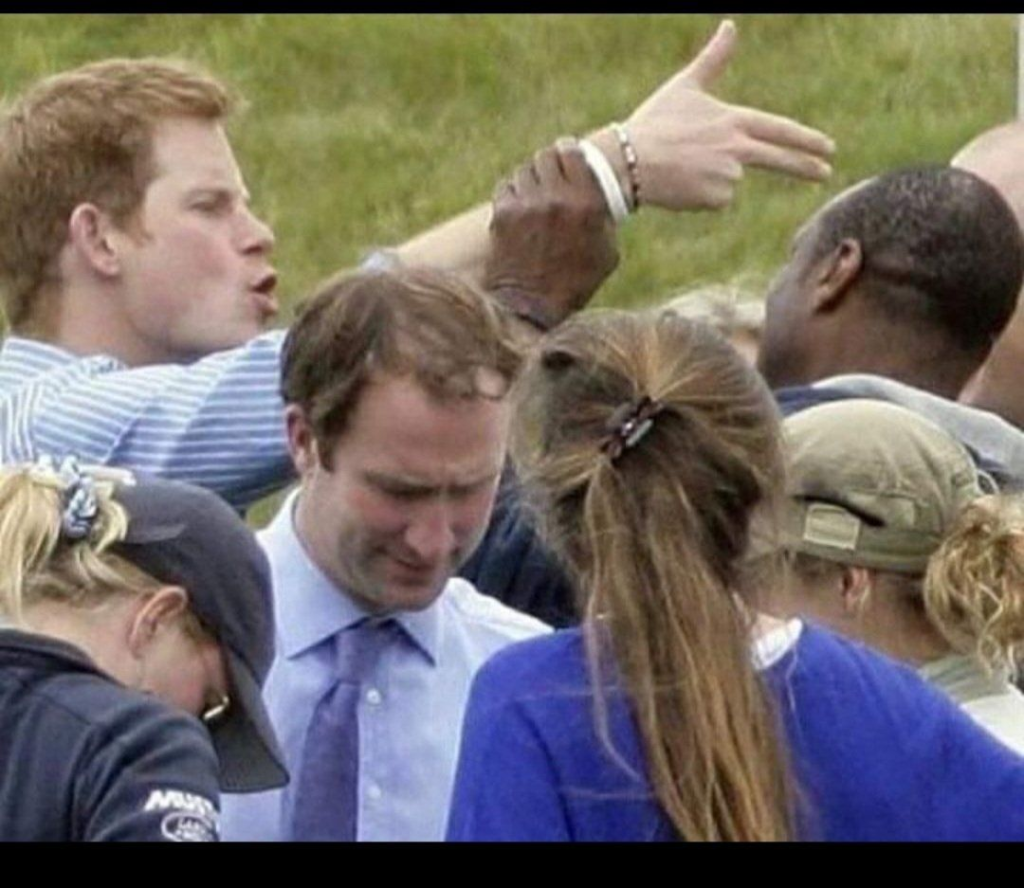
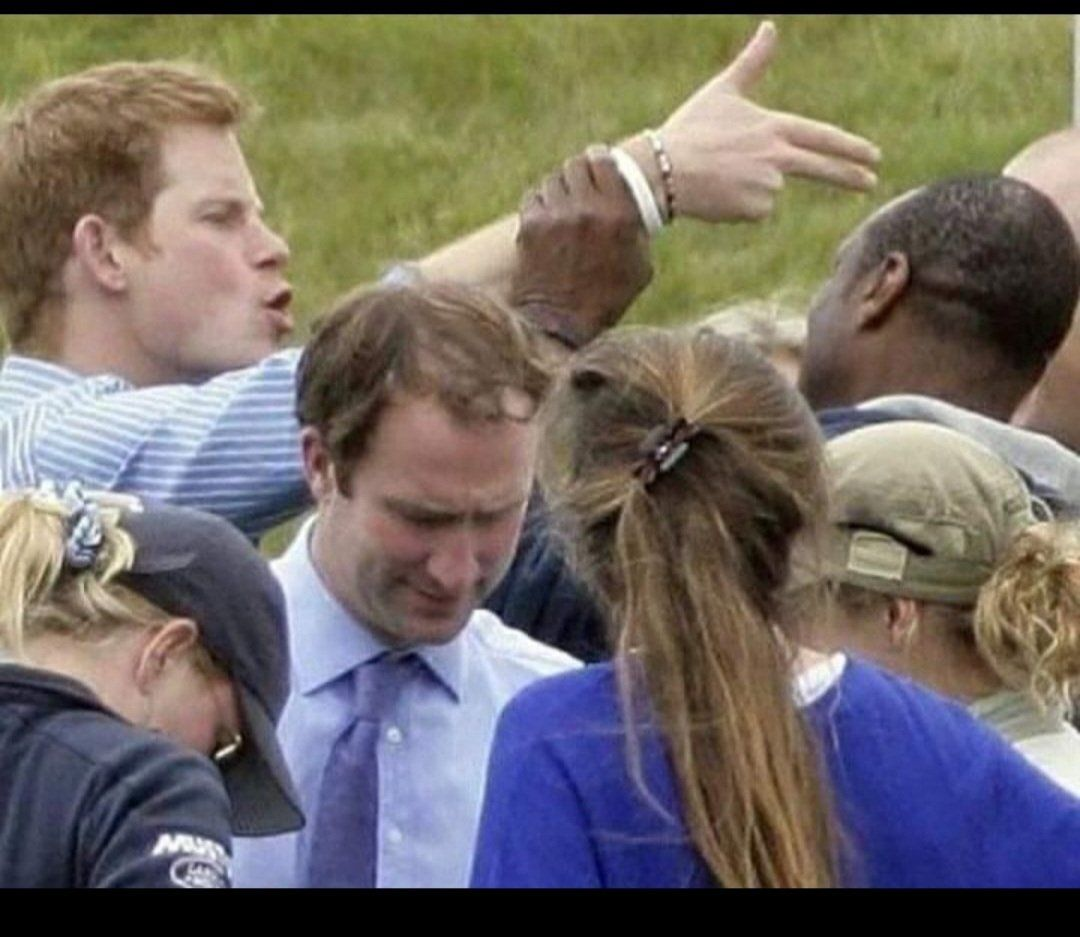
Let’s start with the temper that has simmered beneath the surface for decades, erupting in moments that reveal a man quick to anger and slow to accountability. Insiders and royal watchers have long whispered about Harry’s “nasty temper,” a volatility that predates his marriage to Meghan Markle and his dramatic exit from royal duties. One chilling example dates back to 2011, during a charity polo match in Santa Barbara, California—a place that would later become his adopted home. Photographs captured Harry in a heated confrontation, his face contorted in rage as he raised his fist aggressively toward a member of the public or photographer. Media outlets at the time described it as a “loss of control and entitlement,” but palace spin doctors quickly reframed it as Harry being “protective” after provocation. Brushed under the carpet, like so many of his missteps, this incident laid bare his impulsive, hostile nature. No physical violence occurred, but the body language was unmistakable: reactionary, aggressive, and utterly unbecoming of a royal. If this had been anyone else, consequences would have followed swiftly. Instead, Harry’s privilege shielded him, enabling a pattern that would only worsen.
This volatility isn’t isolated. In his own memoir *Spare*, Harry recounts physical altercations with his brother, Prince William, painting himself as the aggrieved party while admitting to explosive arguments that escalated to shoving and grabbing. But critics see through the narrative: Harry’s retellings often cast him as the victim, conveniently omitting his own role in fanning the flames. Former staffers have anonymously described him as “difficult” and prone to outbursts, with allegations of bullying surfacing in reports about his treatment of palace aides. Even in public, his temper flares—remember the tense exchanges during overseas tours, where he snapped at reporters or appeared visibly irritated by protocol? Social media has amplified these moments, with users labeling him a “spoiled brat with a red-hot temper.” His defenders cry “trauma” from losing his mother, Princess Diana, at a young age, but sympathy wears thin when that pain manifests as unchecked aggression toward others. Harry’s life has been one of privilege, yet he rages against the very system that coddled him, all while profiting from it through multi-million-dollar deals.
But if his temper is the spark, his history of racism is the powder keg that truly explodes the myth of the enlightened prince. Harry has spent years accusing the royal family of bigotry—most notoriously in his Oprah interview, where he and Meghan implied concerns about their son’s skin color were rooted in racism. Yet, the irony is staggering: Harry himself has a well-documented track record of racist behavior that he has never fully atoned for. Flash back to 2005, when a 20-year-old Harry attended a “Natives and Colonials” themed party dressed in a full Nazi uniform, complete with swastika armband. The image splashed across tabloids worldwide, sparking outrage and forcing a half-hearted apology from Clarence House. But this wasn’t a one-off youthful indiscretion. Just four years later, in 2009, video footage emerged from his time in the army, where he casually referred to a fellow cadet of Pakistani descent as “our little P*** friend.” The slur, captured on camera, drew widespread condemnation, with critics calling it outright racism. Harry’s response? Another palace-issued regret, but no deep introspection.
The pattern persists. When discussing his then-girlfriend Chelsy Davy’s South African background, Harry reportedly quipped, “She’s not black or anything,” a remark that reeks of casual prejudice. And in more recent years, allegations have swirled around his charity work. Dr. Sophie Chandauka, the former chairperson of Sentebale—a foundation Harry co-founded—accused him of misconduct, bullying, harassment, sexism, and racism. Though cleared in some investigations, the claims linger, painting Harry as someone who weaponizes his position against those who challenge him. Social media hasn’t forgotten: hashtags like #PrinceHarryisaRacist trend periodically, reminding the world of his unacknowledged past. One viral post compiles his offenses, noting he “never apologized or acknowledged his past” fully.
Hypocrisy reaches its peak in Harry’s post-Megxit era. He admits in *Spare* to being “bigoted” before meeting Meghan, crediting her for his awakening. Yet, he marries a woman who presents as predominantly white-passing, and their children—whom he proudly touts as mixed-race—appear strikingly fair-skinned. Critics argue this is performative allyship: Harry uses his family’s alleged racism to deflect from his own, all while failing to support marginalized communities meaningfully. Take the Baka people in Africa, displaced and reportedly abused in the name of conservation efforts linked to organizations Harry once supported—he’s been accused of turning a blind eye. And in a bizarre twist, some suggest Harry’s accusations against his family stem from projection: a 2023 video resurfaced where he seemingly admits to questioning “ginger genes,” fueling speculation that he was the “royal racist” all along.
This troubled soul’s journey from party boy to exiled agitator is a cautionary tale of unchecked privilege. Harry’s early years were marred by alcohol-fueled antics, drug use, and fistfights—behaviors that earned him the tabloid moniker “Dirty Harry.” Military service offered a brief redemption arc, but even there, his racial slurs tainted the narrative. Now, in Montecito, he rants about media intrusion while courting it through high-profile exposés. Comparisons to other privileged figures like Brooklyn Beckham abound: both throw public tantrums when denied their way, cashing in on family names while biting the hand that fed them. Harry’s lawsuits against the press scream entitlement, and his refusal to reconcile with his family—despite pleas for privacy—reeks of vengeance.
In the end, Prince Harry’s story isn’t about breaking free from a cage; it’s about a man who built his own prison of resentment and rage. He accuses the royals of silence and bias, yet his own history of racism and volatility speaks volumes. The public has grown weary of his grievances, with online voices declaring him “the real racist in the family.” As King Charles III steers the monarchy forward, Harry’s exile feels fitting—a self-inflicted wound from a prince who could never outrun his demons. The crown deserves better; so does the world he’s so eager to lecture.