For four years, Meghan Markle has stayed conspicuously away from British soil, her absence itself becoming part of the story. Now, with the Invictus Games scheduled to return to Birmingham in 2027, the possibility of her reappearance has reignited debate—less about reconciliation, and more about conditions. According to multiple reports circulating among royal watchers, Meghan’s return would not be casual, symbolic, or understated. It would come with a list of demands so extensive that even seasoned observers have been left stunned.
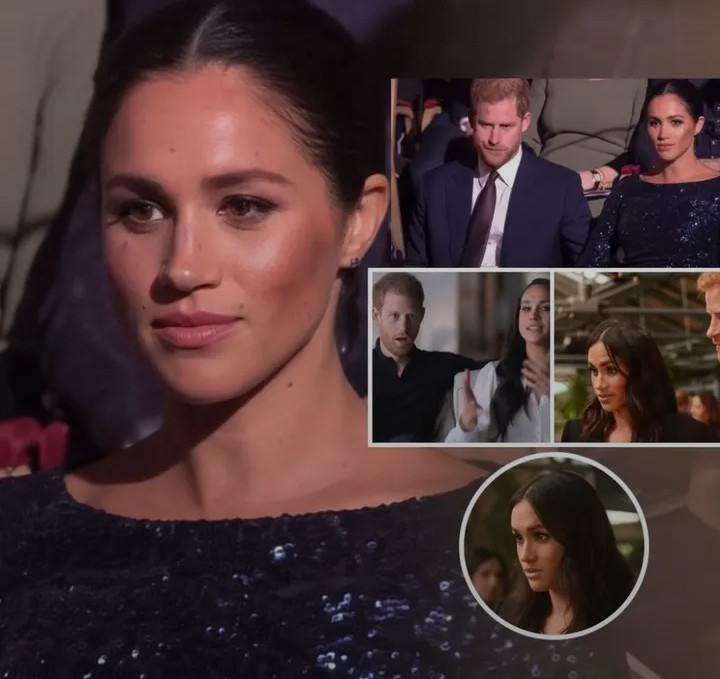
Sources claim the Duchess of Sussex has made it clear she will only step foot in the UK if her personal requirements are fully met. These reportedly include bulletproof glass at venues, a locked-down luxury hotel with entire floors reserved exclusively for her team, round-the-clock private security, police escorts, and tightly controlled movement from airport to accommodation. For some, the scale of these expectations feels less like a visit and more like a state negotiation—without the state authority.

At the center of the speculation is her potential appearance alongside Prince Harry at the Invictus Games, an event originally founded to spotlight wounded veterans and rehabilitation through sport. Critics argue that the conversation has now shifted uncomfortably away from athletes and toward celebrity logistics. One longtime Invictus supporter commented privately that “the event risks becoming about who arrives in what convoy, rather than who competes on the track.”

What has fueled even more skepticism is the silence from Meghan herself. No denial. No clarification. No attempt to downplay the reports. For a figure often described as media-aware and image-conscious, that absence of response has been read by some as tacit confirmation. “If the claims were exaggerated, this would be the easiest PR win imaginable,” noted one communications analyst. “Say it’s nonsense, and move on. The fact that it hasn’t happened raises eyebrows.”

Public reaction in the UK has been notably cool. In Birmingham, where residents are already questioning public spending priorities ahead of the Games, the idea that millions could be diverted to accommodate one individual’s security and comfort has not landed well. Online forums and call-in radio shows reflect a growing sentiment that patience has worn thin. One caller summed it up bluntly: “This isn’t a royal tour. It’s a sporting event. Why should the city bend over backwards?”
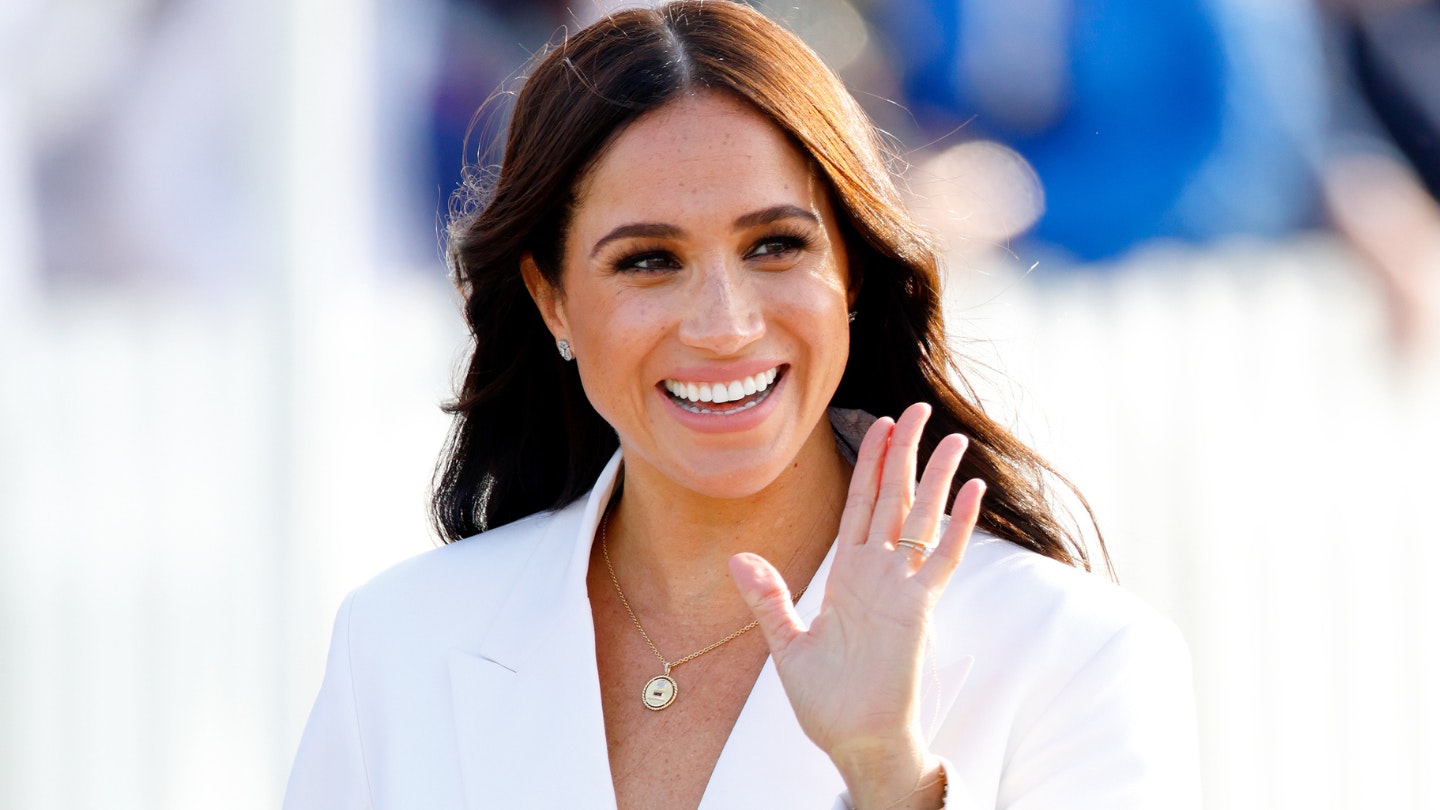
The controversy also reopens a deeper question that has followed Meghan since her departure from royal duties: where does the line sit between personal safety and perceived entitlement? Few dispute that high-profile figures require protection. But many argue that the scale matters, especially when titles are no longer tied to official roles. “Security is one thing,” said a former palace aide in an off-the-record remark. “Turning a charity event into a fortress is another.”
Some commentators have gone further, suggesting that the demands—if accurate—reveal a lingering identity conflict. On one hand, Meghan has positioned herself as an independent Hollywood figure, building lifestyle brands and commercial ventures. On the other, the insistence on royal-style treatment suggests a continued reliance on the very status she claimed to step away from. That contradiction, critics argue, is becoming harder to ignore.
There is also concern about optics. The Invictus Games were designed to highlight resilience, humility, and service. Lavish arrangements risk clashing with that ethos. “When veterans are sharing rooms and focusing on recovery, bulletproof glass and closed hotel floors send the wrong message,” said one former military charity organizer. “Even if everything is privately funded, perception matters.”
Supporters of Meghan counter that the hostility itself justifies heightened security, pointing to online abuse and past threats. They argue that criticism often ignores the realities of modern risk. Yet even among neutral observers, there is a sense that the balance feels off. As one royal historian observed, “The monarchy survived for centuries by understanding restraint. Excess has never played well in Britain.”
Whether Meghan ultimately attends the Birmingham Games remains uncertain. What is clear is that the debate surrounding her potential return has already overshadowed the event itself. In that sense, the controversy has achieved something few charity campaigns ever do: it has made people argue intensely before anything has even happened.
And perhaps that is the most telling detail of all. Before a single plane lands or a single hotel room is booked, the story has once again become about demands, optics, and control. For many watching from the sidelines, the question is no longer whether Meghan will return to the UK—but whether, if she does, the cost will extend far beyond logistics.