In a bombshell revelation that’s sending shockwaves through royal circles and social media alike, insiders and keen observers are pointing to a glaring pattern in Meghan Markle’s public appearances: the Duchess of Sussex appears deeply uneasy whenever the topic of her children, Prince Archie and Princess Lilibet, comes up — unless there’s a paycheck involved.
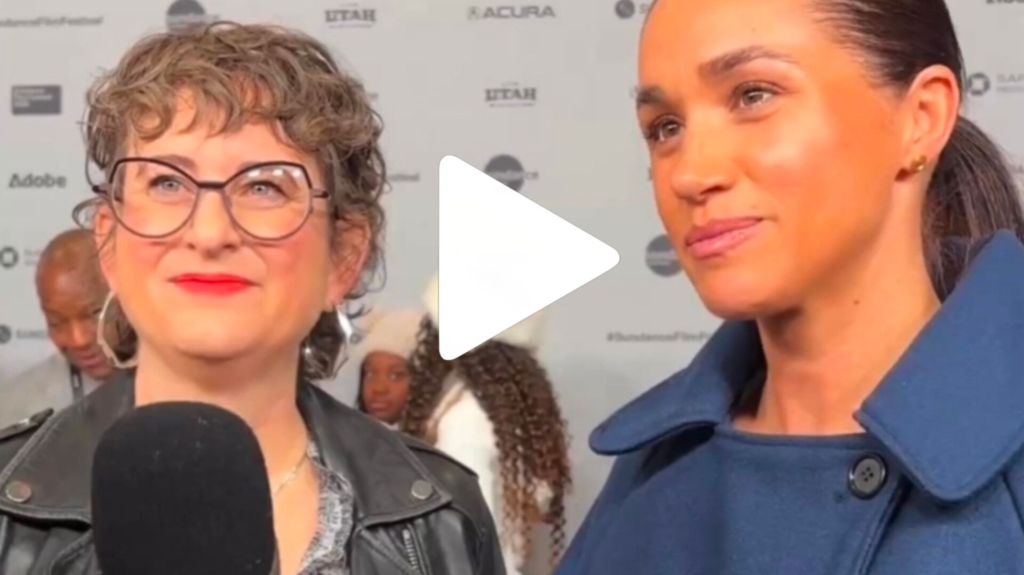
The claim gained fresh traction after a viral analysis of recent interviews and events, where Meghan’s demeanor reportedly shifts dramatically. Sources close to the situation — and eagle-eyed fans dissecting every clip — insist that free-flowing questions about her family trigger visible discomfort, including averted gazes, awkward pauses, and forced smiles. Yet, when the conversation is part of a paid platform, a branded project, or a high-profile deal, details mysteriously flow more freely.
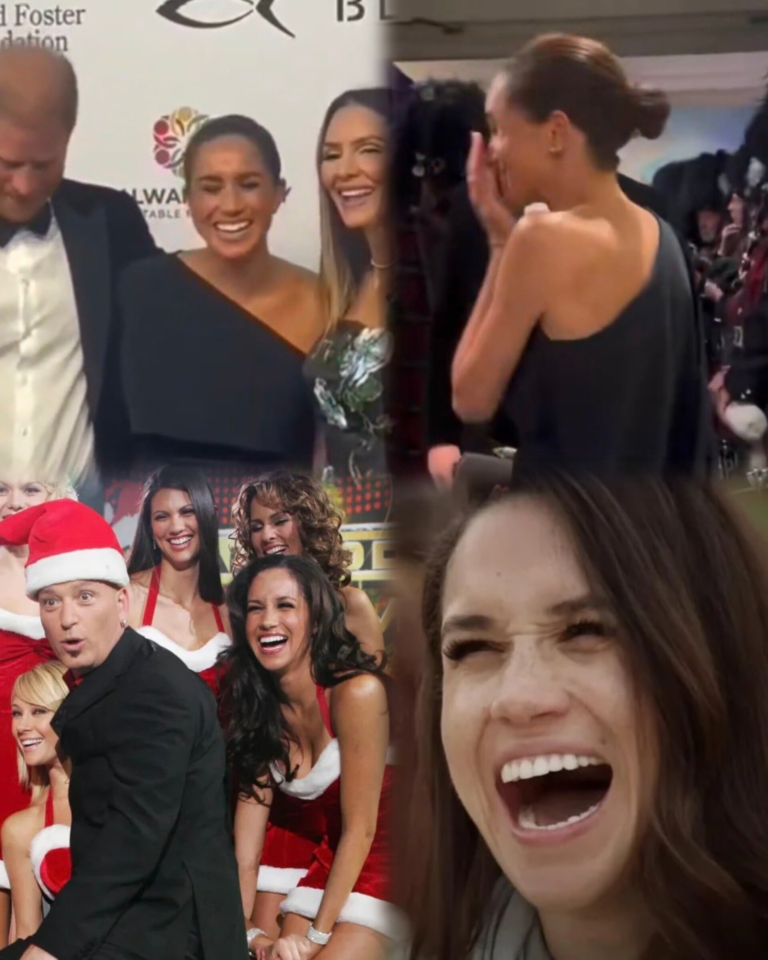
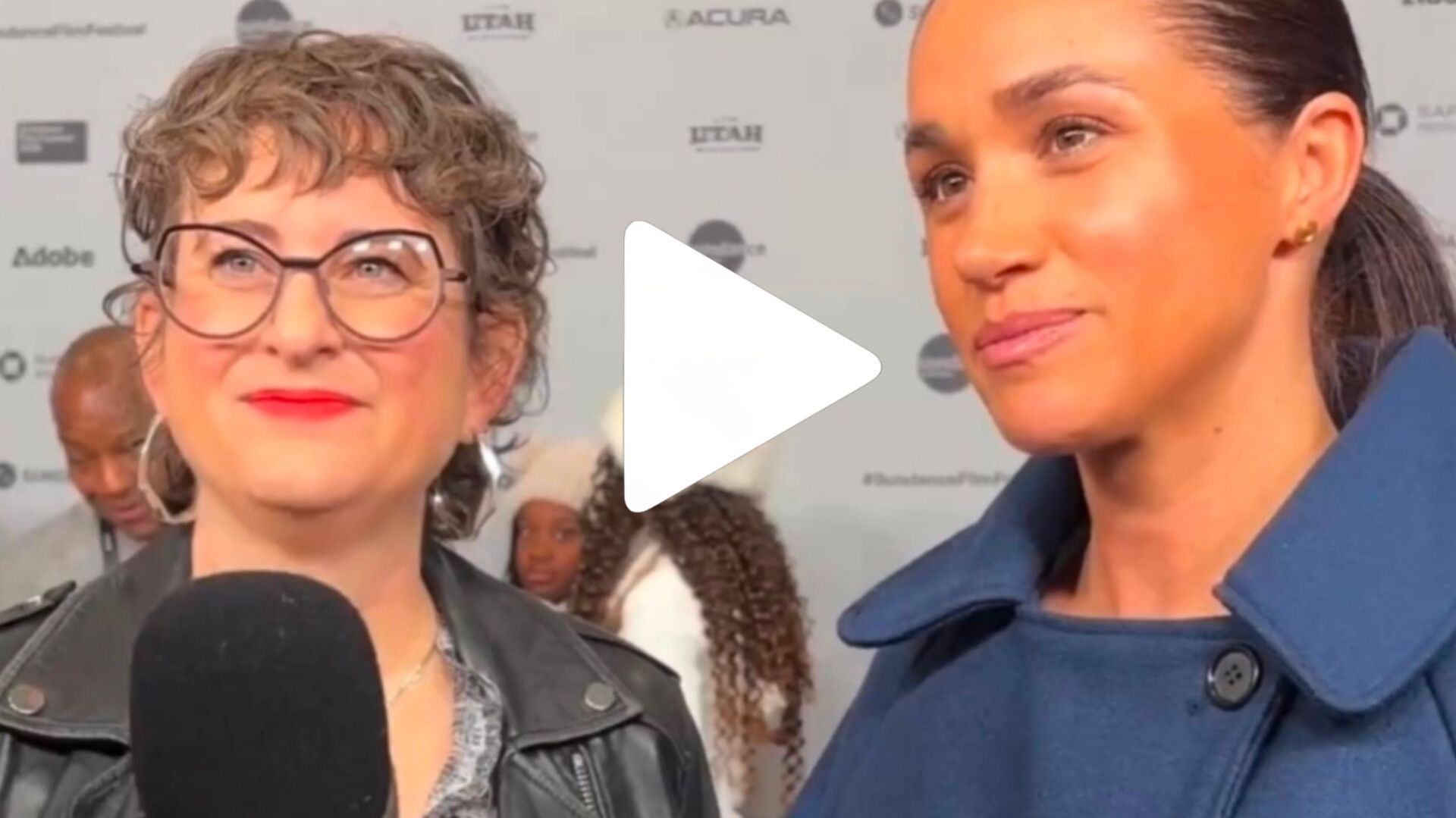
This isn’t just idle gossip. Social media users have compiled montages showing Meghan’s reactions in unscripted moments. In one widely shared clip from a public event, when casually asked about Archie and Lilibet, her response is clipped and generic: “They’re amazing.” No anecdotes, no warmth, just a quick deflection. Contrast that with appearances tied to her Netflix series *With Love, Meghan* or past podcast ventures, where she has occasionally shared tidbits — like their ages or vague preferences — but only within carefully controlled, monetized contexts.
Critics argue this selective openness proves a calculated strategy. “Meghan gets extremely uncomfortable whenever asked about her invisible kids,” one prominent X commentator noted in a post that quickly amassed thousands of likes and reposts. “So she’s proven the only time she will give information is when you’re paying her to.” The phrase “invisible kids” — a loaded term long used by skeptics questioning the limited public glimpses of Archie (born 2019) and Lilibet (born 2021) — has fueled endless speculation. Photos are rare, often limited to the backs of their heads or heavily curated shots, leading some to label the children as “ghosts” in the Sussex narrative.
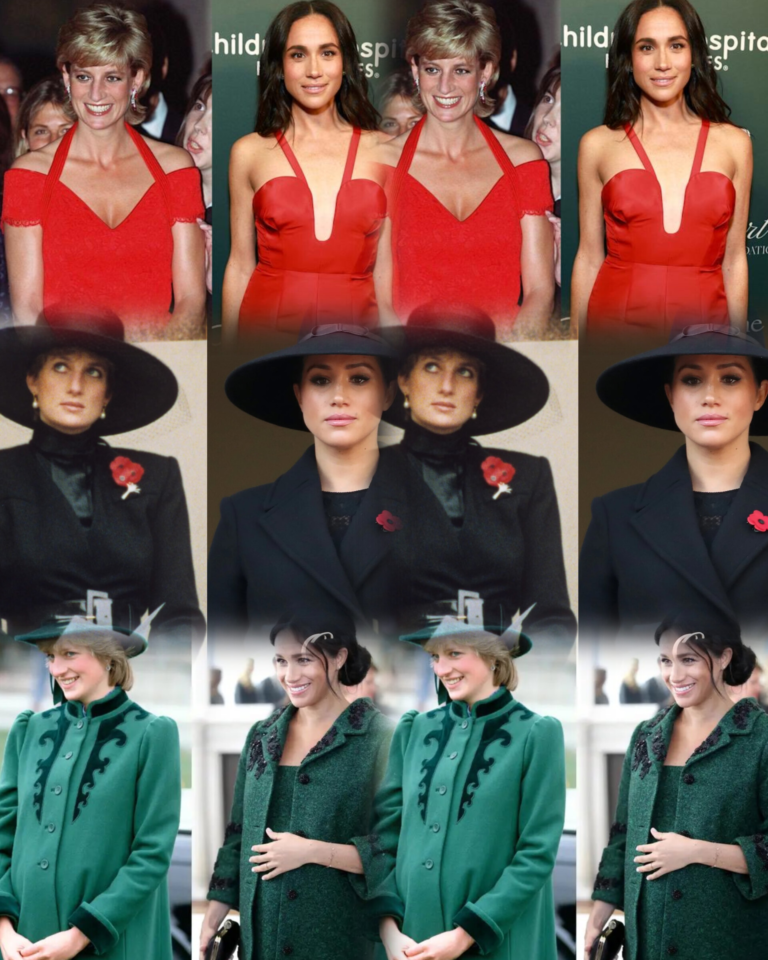
Conspiracy corners of the internet have long amplified surrogacy rumors and “moonbump” theories dating back to Meghan’s pregnancies, with searches for related terms spiking repeatedly. While mainstream outlets dismiss these as baseless trolling, the lack of everyday family content stands in stark contrast to other royal parents. The Prince and Princess of Wales regularly share candid moments of Prince George, Princess Charlotte, and Prince Louis, normalizing their children’s presence without commercialization.
Meghan and Prince Harry have repeatedly cited privacy and protection from media intrusion as reasons for shielding their kids. In interviews, Meghan has spoken about feeling “a little uncomfortable” with public interest in her children’s clothing or lives, and Harry has discussed his fears over social media’s impact on young minds. Yet detractors counter that this privacy seems oddly one-sided — the couple has no qualms plastering their own images across Netflix specials, brand launches, and paid speaking gigs.
Take Meghan’s lifestyle series on Netflix or her short-lived Spotify podcast era: platforms that reportedly netted multimillion-dollar deals. In those controlled environments, subtle mentions of family life emerge as part of the “relatable mom” branding. But step outside the paid spotlight? The wall goes up. Observers point to moments like award ceremonies or casual Q&As where questions about the kids are met with deflection or discomfort, reinforcing the narrative that genuine family insights are reserved for revenue-generating opportunities.
Royal watchers argue this pattern damages credibility. If privacy is the priority, why tease details in paid content at all? If motherhood is central to Meghan’s public persona — as seen in her advocacy work and lifestyle ventures — why the visible unease in organic settings? The contrast has only intensified scrutiny, with some accusing her of treating family stories as intellectual property rather than personal joy.
Prince Harry, meanwhile, has occasionally spoken more warmly about fatherhood, including concerns over his children’s digital futures. But even he treads carefully, rarely offering unprompted specifics unless tied to broader causes.
As the Sussexes continue building their post-royal empire, this latest controversy adds fuel to an already fiery debate: Are Archie and Lilibet truly being protected — or simply kept out of the free spotlight until the price is right?
One thing is clear: in the world of modern celebrity royals, information isn’t just shared — it’s sold. And according to growing chorus of critics, Meghan Markle has mastered the art of charging admission for even the smallest peek behind the family curtain.
What do you think — privacy protection or strategic monetization? The public is watching… and paying close attention.