In a world that feels louder every day — louder headlines, louder outrage, louder expectations — there is something deeply comforting about a story that isn’t trying to prove anything at all. No scandal. No speech. No spectacle. Just two people, a small town, a souvenir shop, and a moment that went delightfully wrong.
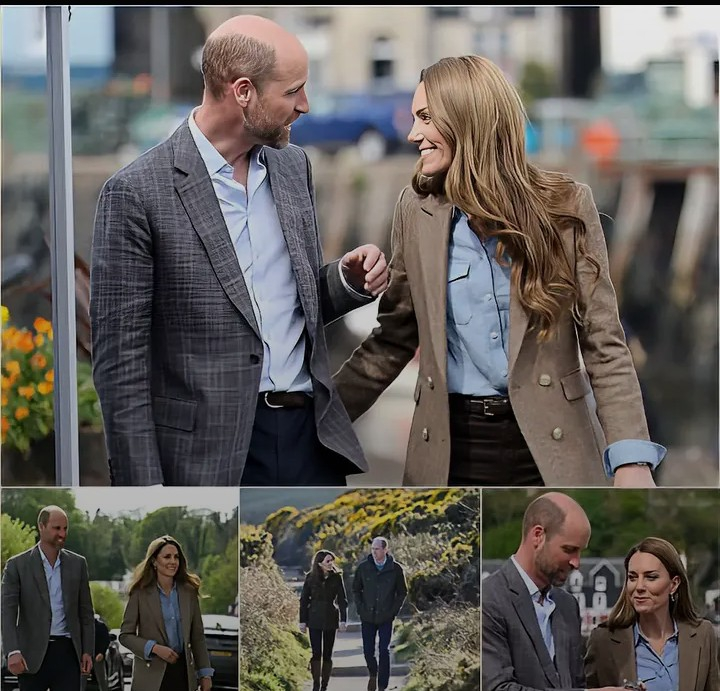
That’s why the story of Prince William and Kate’s so-called “secret” weekend getaway in Scotland landed the way it did. It wasn’t because it was dramatic. It was because it was human.
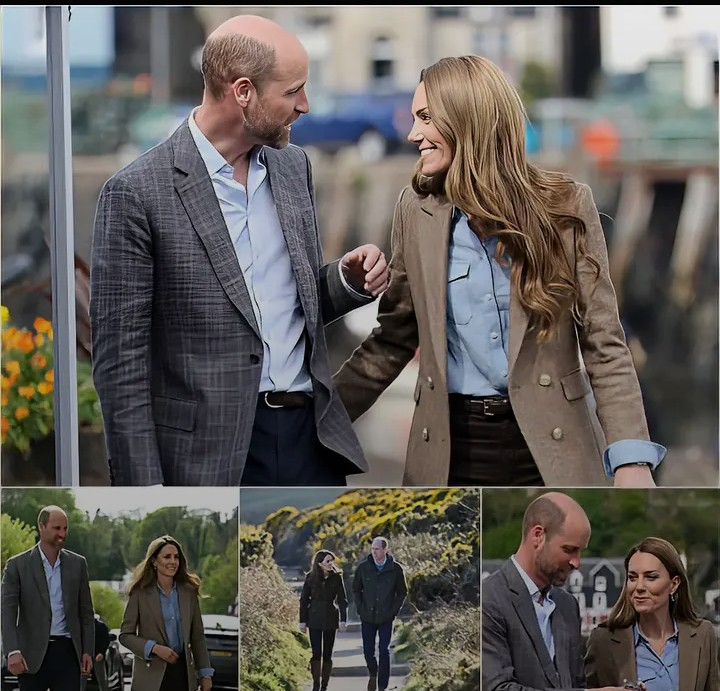
They weren’t there for cameras. They weren’t there to send a message. They were just there — baseball caps, sunglasses, and that universal hope anyone has when they slip away from responsibility:
maybe this time, no one will notice.
Americans understand that instinct immediately.
We romanticize escape. Road trips. Quiet cabins. Small towns where no one asks what you do for a living. There’s something almost cinematic about imagining the future King of England standing in a gift shop, scanning shelves of fridge magnets, just another slightly lost husband while his wife looks on, amused.
And then — of course — the moment collapses.
Kate’s teasing line, “Your Majesty, stay away from the fridge magnets,” isn’t just funny. It’s revealing. It tells us everything we need to know about how they move through the world together. There is affection there. Ease. A shared private language that doesn’t disappear just because the crown exists.
The laughter that followed didn’t just expose their identities. It exposed the truth behind the titles.
They weren’t “William and Catherine, Prince and Princess of Wales” in that instant. They were a couple who has spent years raising children, navigating pressure, carrying grief, and still finding joy in something as silly as souvenir shopping.
That’s the part that resonates so strongly in the U.S.
Americans don’t have a monarchy, but we understand the weight of public expectation. We understand living under scrutiny — whether it’s social media, career pressure, or family roles we never asked for but still must perform. Watching two people who symbolize tradition and continuity laugh like newlyweds feels like permission. Permission to be imperfect. Permission to be ordinary.
Witnesses later said something simple but powerful: “They were just so normal.”
Normal is underrated.
Normal means teasing your spouse when they wander off. Normal means laughing too loudly in a place where you meant to stay unnoticed. Normal means enjoying the moment even when the plan fails.
And that’s where this story becomes more than cute.
It’s easy to admire royalty from a distance — the gowns, the ceremonies, the history. But admiration turns into affection when people see themselves reflected back. When Americans look at William and Kate, many don’t see crowns. They see a marriage that looks lived-in. A partnership that feels earned rather than performed.
They’ve been through things. Publicly. Quietly. Together.
William grew up with unimaginable loss under global observation. Kate entered an institution that doesn’t forgive missteps easily. Their relationship wasn’t rushed, wasn’t flashy, wasn’t built on headlines. It was built on time. On choosing each other again and again in private long before the public ever applauded.
So when they stand in a tiny Scottish shop and laugh until they’re exposed, it feels earned.
There’s also something uniquely American about loving this kind of story. We’re drawn to narratives where powerful people reveal vulnerability — not weakness, but relatability. The idea that even a future king can’t execute a flawless undercover mission is charming because it collapses hierarchy for a moment.
For one afternoon, everyone was equal. Just people browsing shelves.
And instead of retreating when recognized, they stayed. They smiled. They joked. They didn’t stiffen or hide. That choice matters.
It says: We’re not afraid of being seen as human.
In a time when public figures often feel manufactured, overly rehearsed, or defensive, that openness feels rare. It’s why the onlookers didn’t feel like they’d “caught” royalty. They felt like they’d been invited into something real.
There’s also the romance of Scotland itself — wild, quiet, honest. A place that doesn’t bend easily to pretense. If you’re going to fail at being anonymous, that’s a pretty perfect backdrop.
But maybe the real reason this story travels so well across the Atlantic is because it taps into something Americans deeply crave right now: proof that love can remain playful under pressure.
So many narratives today are about collapse — broken institutions, broken marriages, broken trust. William and Kate don’t sell a fairy tale. They sell continuity. Stability without stiffness. Joy without excess.
They don’t try to be dazzling. They try to be steady.
And sometimes, steadiness looks like laughing in a gift shop when your disguise fails.
There’s also something quietly powerful about Kate in this story. Not because she “rescued” the moment, but because she set the tone. Humor is leadership in intimate spaces. By teasing William instead of panicking, she turned exposure into connection.
That’s emotional intelligence. That’s partnership.
You can imagine the kids later hearing the story — Dad getting lost, Mum making a joke, everyone laughing. Those are the memories that outlast titles.
In the end, no one remembers what souvenirs they bought. What people remember is how it felt.
Warm. Light. Real.
For Americans watching from afar, this wasn’t just a charming anecdote. It was a reminder that the best public figures don’t feel larger than life — they feel
reachable. And that sometimes, the most powerful image isn’t a throne or a crown, but a couple laughing because the plan went wrong.
Maybe that’s why this story stuck.
Because in a noisy world, a failed secret trip reminded us of something simple and precious: even the most extraordinary lives are built from ordinary moments — and love looks best when it’s unguarded.
And honestly? If that’s what the future of the monarchy looks like — a little messy, a little funny, deeply human — it’s no wonder people across the ocean can’t help but smile.