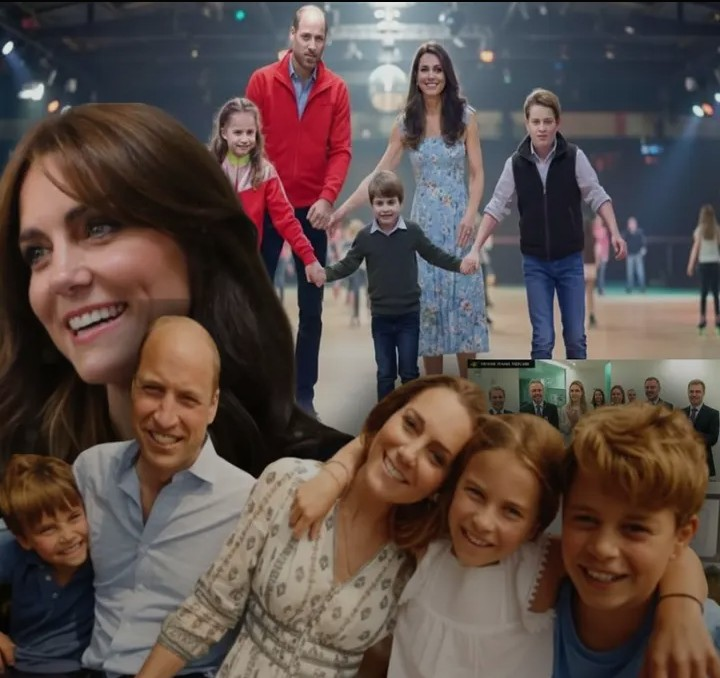
William and Catherine, the Prince and Princess of Wales, have made headlines with their surprising parenting approach: they’ve banned personal devices for their children, Prince George, Princess Charlotte, and Prince Louis. This revelation, shared during filming for Apple TV’s The Reluctant Traveler, has left modern parents reeling, sparking a global conversation.
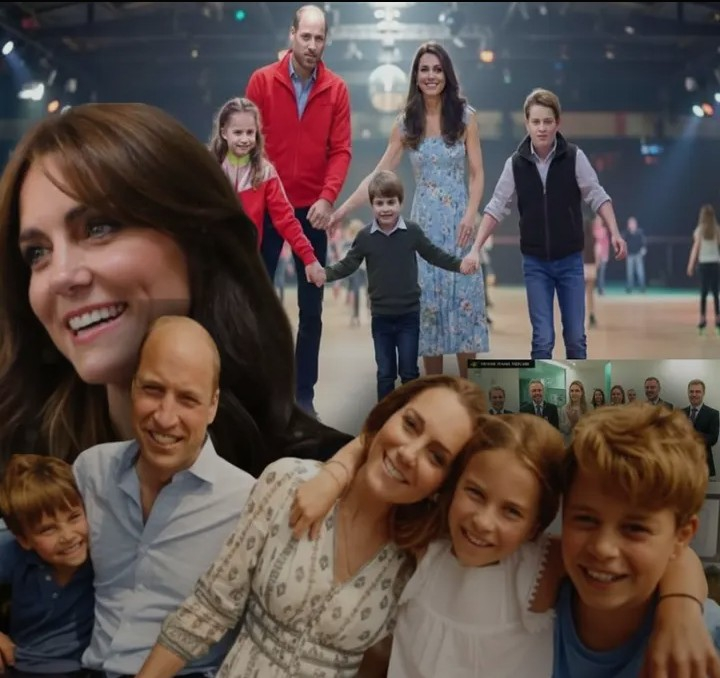
In a world where screens dominate childhood experiences, the Wales’ decision stands out as a bold and intentional choice. Prince William’s candid remark about their “phone-free” household has stirred admiration and debate. As parents grapple with when to introduce technology, this royal rule offers a refreshing perspective that prioritizes emotional well-being.
Parenting experts have quickly lauded the couple’s approach, framing it as a form of “mindful parenting.” Joe Frost, a renowned child care specialist, emphasizes that delaying personal devices can enhance a child’s emotional regulation, attention span, and ability to form secure relationships. This insight resonates deeply, especially as families navigate the digital age.
Princess Catherine has long been an advocate for the importance of human connection. In her poignant essay, she warned against the dangers of technology, asserting that it often hinders rather than helps interpersonal relationships. Her insights highlight the need for children to learn when to disconnect and engage fully with their surroundings.

For Prince William, the decision to limit screens is deeply personal. He envisions a future where his children grow up with empathy, resilience, and emotional strength—qualities he believes are cultivated through real-world experiences. By fostering an environment rich in conversation and outdoor play, the Wales family is nurturing a generation grounded in reality.
This parenting philosophy aligns with William’s public endeavors as well. His recent patronage of Max Worley’s Onwards Expedition—a tribute to the legacy of explorer Sir Henry Worley—reflects his commitment to courage, endurance, and respect for nature. This duality of purpose reinforces their family values, emphasizing the importance of connecting with the world around them.

The royal couple’s parenting choices humanize them, revealing a relatable side that many can appreciate. They are not striving for perfection; rather, they are setting intentional boundaries to prepare their children for the challenges of a hyperconnected society. This authenticity resonates with parents who face similar pressures in their own lives.
As the conversation unfolds, the question remains: Is this parenting rule a wise form of protection or an unrealistic expectation for modern families? The discussion invites diverse opinions, reflecting the evolving landscape of parenting in today’s digital age.

The Wales’ decision to maintain a phone-free household is a bold statement that challenges conventional norms. As parents around the world weigh the implications of this approach, one thing is clear: the conversation about technology and childhood is far from over.
Stay tuned as we continue to explore the human side of the monarchy and its impact on contemporary parenting. Join us in sharing your thoughts on this royal revelation, and let’s delve deeper into the world of parenting in the age of technology.