He’s Our Future King!!” Prince William’s Heartfelt Gestures in Wales Silence Critics and Cement His Place as the Monarchy’s Emotional Anchor
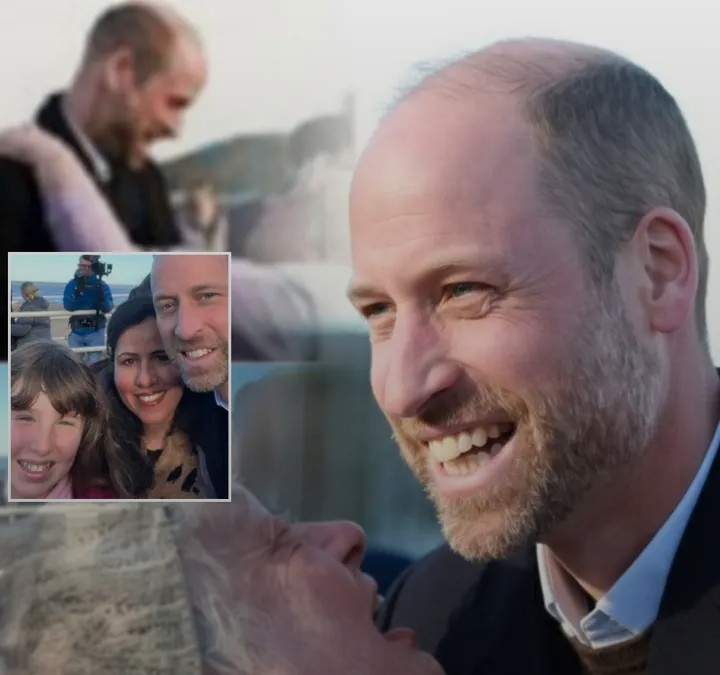
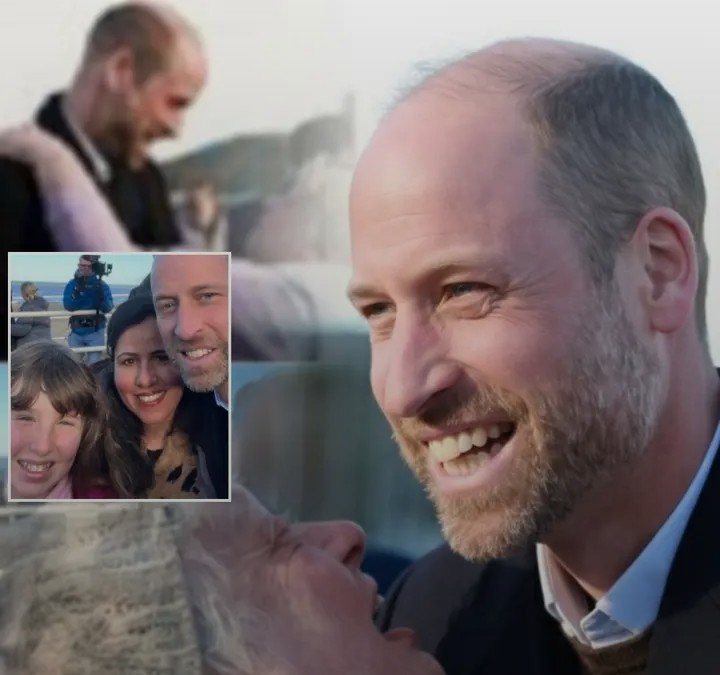
COLWYN BAY, WALES — In the often-cold, structured world of royal duty, genuine, unscripted emotion is a rare currency. Yet, on a recent crisp morning in Colwyn Bay, North Wales, Prince William, the Prince of Wales, spent hours spending it freely, captivating hundreds of gathered well-wishers and volunteers with a series of quiet, heartfelt gestures that spoke louder than any formal declaration.
This was not a mere walkabout; it was an affirmation of a modern monarchy that leads not just through precedent, but through profound personal connection. As the future King immersed himself in the local community, taking selfies, kneeling to speak with children, and listening intently to the stories of those struggling with exclusion, the message from the crowd was unanimous, echoing in the chilly air: “He’s Our Future King!!”
The Electric Atmosphere on the Coast
The anticipation in Colwyn Bay was palpable. Hundreds of people—from local school children waving miniature Welsh flags to dedicated lifelong royalists—had gathered on the seafront, eager for a glimpse of the Prince. When William arrived, the atmosphere immediately shifted from formal expectation to electric warmth.
His approach was instantly disarming. Eschewing the traditional stiff formality, the Prince of Wales immediately dove into the crowds, a warm, genuine smile lighting his face. The moment was captured repeatedly by mobile phones as William happily paused for selfies, a gesture that, while minor in logistical terms, carries enormous weight in its accessibility. It signaled a leader who sees his role not above the people, but among them.
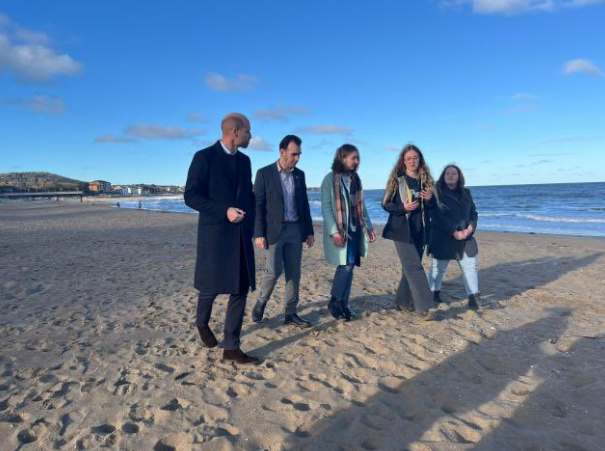
The initial focus of the visit was environmental stewardship, a cause close to his heart. Prince William joined members of the Marine Conservation Society’s Youth Ocean Network for a walk along the beach. This engagement was far from ceremonial. The Prince was seen deep in conversation, not just nodding politely, but asking pointed, insightful questions about the challenges of pollution and the impact of climate change on the Welsh coast. His commitment to the environment felt authentic, solidifying his role as a champion for the preservation of natural heritage—a key pillar of modern royal duty.
Later, he spent time with the volunteers and young people involved in the Marine Conservation Society’s Hiraeth Yn Y Mor project—a title that beautifully translates to “Longing in the Sea,” capturing the deep, emotional connection the Welsh people have with their coastline. By engaging with a project titled in the native language and centered on local identity, William demonstrated a commitment that resonates deeply with his title as the Prince of Wales. He wasn’t just observing; he was honoring the local culture and its values.
Empathy in Action: Inside the Youth Shedz
The emotional core of the day, however, came during the Prince’s visit to Youth Shedz, an organization dedicated to creating safe, non-judgmental spaces for young people navigating immense challenges, including school exclusion, bullying, and complex social issues. This was where the facade of royalty truly dissolved, giving way to profound human empathy.
Stepping into the heart of the community, Prince William sat down with a group of teenagers. Sources inside the gathering reported that the Prince approached each conversation with an uncommon intensity, leaning forward, maintaining direct eye contact, and, crucially, allowing silence to sit when a difficult truth was being shared. He wasn’t offering quick fixes or platitudes; he was offering his full, undivided attention.
One young man, struggling to articulate his feelings of isolation after being excluded from school, was visibly moved when William gently shared an anecdote about his own struggles with the pressures of public life. The gesture was small—a shared vulnerability—but its effect was seismic. It showed the teenagers that even a future King understands the burden of feeling different or alone.
“He didn’t make me feel like a charity case,” one volunteer, who wished to remain anonymous, later told the press. “He made me feel heard. He asked me what I thought the solutions were. That kind of respect, especially from someone in his position, changes everything for these kids. It gives them dignity.”
This element of deep listening and respect is becoming the trademark of Prince William’s public service, a compassionate approach that analysts often trace back to the humanitarian spirit of his late mother, Princess Diana. He is actively moving the monarchy away from prescriptive philanthropy toward proactive, relationship-based support, particularly in the difficult arenas of mental health and social exclusion.