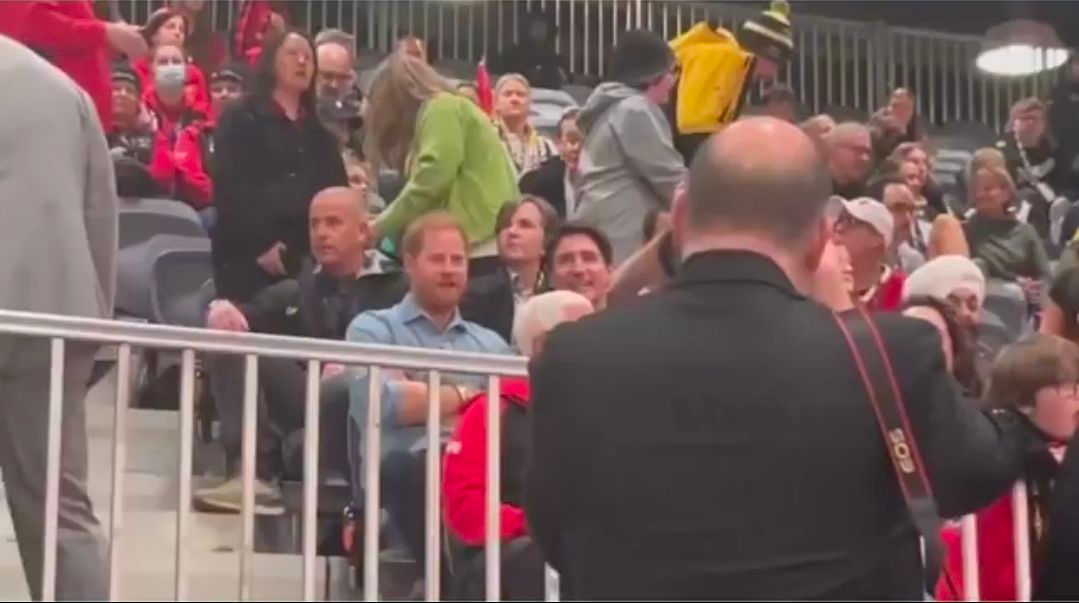
For years, Prince Harry has positioned himself as the ultimate champion of wounded veterans through the Invictus Games — the Paralympic-style event he founded to inspire recovery, camaraderie, and resilience among injured service members. Public appearances show him hugging competitors, posing for selfies, chatting warmly with families, and delivering heartfelt speeches about support and solidarity. But when the spotlights dim and the official events wrap, a different picture emerges — one where families of Invictus competitors often foot the entire bill to attend, scraping together funds for travel, while Harry and his entourage enjoy high-end accommodations, security, and perks that raise serious questions about priorities and fairness.
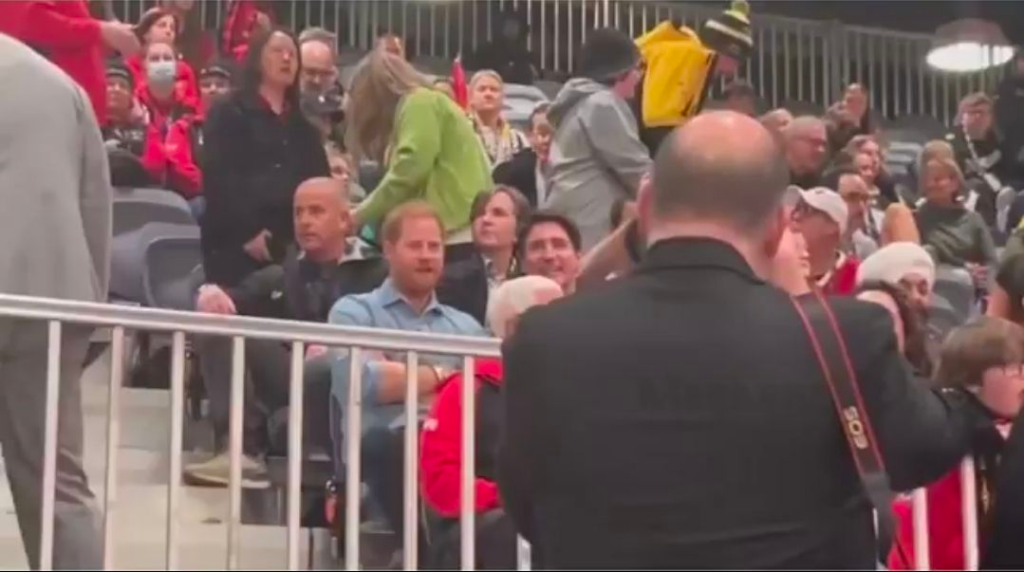
Insiders and online discussions have long highlighted a glaring disparity: many Invictus participants and their loved ones must pay their own way to the Games. Unlike some elite sporting events with full sponsorships, competitors frequently cover international flights, additional accommodations beyond limited support, and extra family travel costs. Official Invictus programs offer partial assistance — such as covering lodging, meals, and local transport for two sponsored family members or friends per athlete — but this is far from comprehensive. “Buy-in” options for extra family attendees come at a steep price, and sponsorships (like those from partners for certain teams) aren’t guaranteed every year. Athletes from smaller nations or with limited national defense funding often bear the heaviest burden, turning what should be a celebratory recovery experience into a financial strain.
This reality clashes sharply with Harry’s public persona. While he mingles with competitors during events — sharing stories, accepting gifts like Ukrainian patches (prominently displayed in his home office videos), and posing for photos — off-camera interactions with families tell a story of detachment. Reports and whispers from past Games suggest that once the formal sessions end, Harry prioritizes his own circle, with little evidence of personal outreach to those who’ve sacrificed financially just to be there. Families who’ve traveled thousands of miles at their own expense — sometimes dipping into savings or crowdfunding — report feeling overlooked in quieter moments. No private thank-yous, no special acknowledgments for their efforts, and certainly no offers to ease the load they’ve carried to support their wounded loved ones.
The contrast is stark. Harry, who stepped away from royal duties citing a desire for independence and privacy, continues to benefit from the prestige and visibility Invictus provides. Yet the very veterans and families the Games were created for often receive minimal direct aid for attendance. Critics argue this setup feels exploitative: Harry gains ongoing relevance and positive headlines from the event, while participants and their relatives shoulder the real costs — both emotional and financial — of participation. Some online forums have even called for audits of Invictus finances, pointing to large allocations for operations, entertainment, and accommodations that seem to favor high-profile elements over grassroots support.
When cameras are rolling, Harry excels at the role of empathetic founder — hugging athletes, encouraging families, and emphasizing healing. But the question lingers: does that empathy extend beyond the lens? Stories from competitors’ circles paint a picture of a prince who engages warmly in public but retreats to his own world once the day ends. Families who’ve paid full freight to cheer on their injured service member deserve more than fleeting photo ops; they deserve recognition that matches the financial and personal sacrifices they’ve made.
This disparity has fueled growing frustration in veteran communities. Some former supporters now question whether Invictus has become more about Harry’s brand than the athletes it serves. With reports of internal tensions — including whispers of organizers pushing back on perceived demands from Harry and Meghan — the narrative shifts from inspiration to scrutiny. If families must pay their entire way while the founder enjoys the spotlight, what message does that send about true support?
Prince Harry’s Invictus legacy is undeniably powerful on paper: a global platform for wounded warriors to reclaim purpose through sport. But when the lights go down and families reflect on the bills they’ve paid to be part of it, the shine dims. The Games were meant to lift up those who’ve sacrificed for their countries — not leave them wondering why their efforts go unnoticed off-stage while the founder basks in the glory.
As future Invictus events approach, including potential returns to the UK, the call grows louder: treat the competitors and their self-funding families with the same dedication Harry shows in public. Anything less risks turning a noble cause into just another celebrity platform — and that’s a betrayal no veteran deserves. 🇺🇦🏅