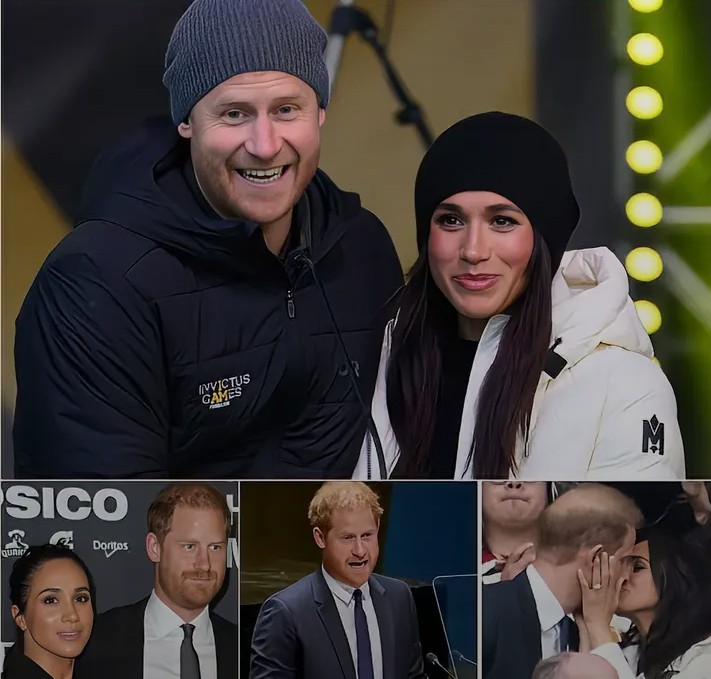
In recent months, renewed scrutiny has surrounded Prince Harry, with commentators suggesting the Duke of Sussex may be facing a pivotal moment in his post-royal life. Once one of the most talked-about members of the British monarchy, Harry now appears to some observers to be struggling to command the same global attention he once effortlessly attracted. Media analysts argue that while his name still generates headlines, the intensity and influence of his public interventions may no longer carry the same weight as they did in the immediate aftermath of his departure from royal duties.
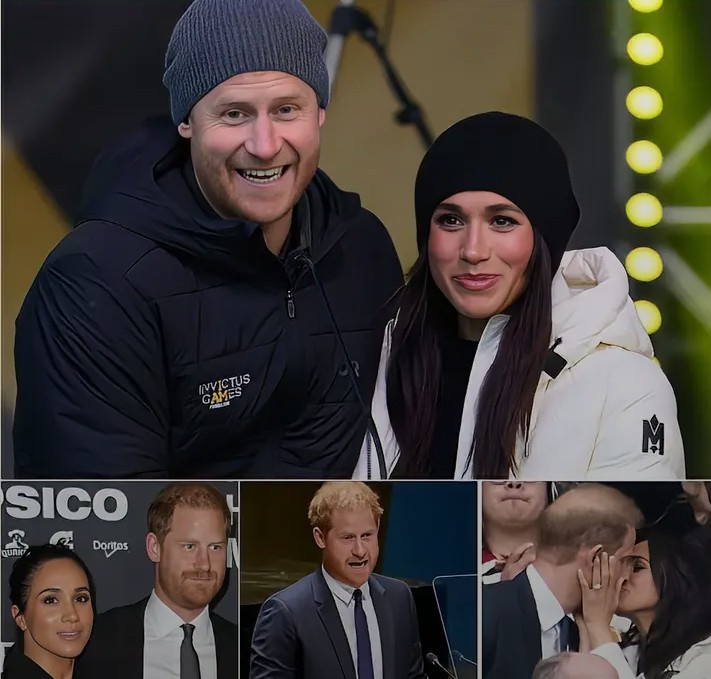
Part of the debate stems from Harry’s recent comments touching on international political matters, including references to positions associated with former U.S. President Donald Trump and discussions linked to NATO. Critics contend that such statements place Harry in a delicate position. Although no longer a working royal, he retains a British title while residing in the United States, a combination that can blur lines between personal opinion and perceived diplomatic commentary. “When you carry a royal title, even unofficially, people interpret your words differently,” one royal affairs commentator noted. “There’s a thin line between advocacy and political entanglement.”
Meghan and Harry slammed on Sky News as duke branded the ‘spare’ in his marriage – Daily Record
Supporters, however, argue that Harry has long positioned himself as someone willing to speak out on issues he believes matter, from veterans’ welfare to mental health and online safety. They see his willingness to address controversial topics as part of a broader evolution from royal figure to independent global advocate. “He’s no longer constrained by palace protocol,” a U.S.-based public relations strategist observed. “That freedom inevitably means he will sometimes say things that provoke debate.”
A recent appearance in which Harry addressed families who had lost children due to harms linked to social media further intensified discussion about his public persona. The event centered on online accountability and the protection of young people — an issue that has gained urgency worldwide. Many acknowledged that his presence helped draw media attention to the cause. “If his involvement shines a brighter light on digital safety, that’s a positive outcome,” said one technology policy analyst.
Prince Harry Holds Back Tears at Emotional Appearance With Meghan Markle
Yet even this serious engagement did not escape criticism. Commentators dissected his demeanor, attire, and emotional tone. Some described him as appearing fatigued or subdued, while others speculated about symbolic details, such as his choice of clothing or the absence of visible personal accessories. Such observations, while arguably superficial, reflect the heightened scrutiny that continues to follow him. “He can’t simply show up and speak,” one British columnist remarked. “Every gesture becomes a narrative.”
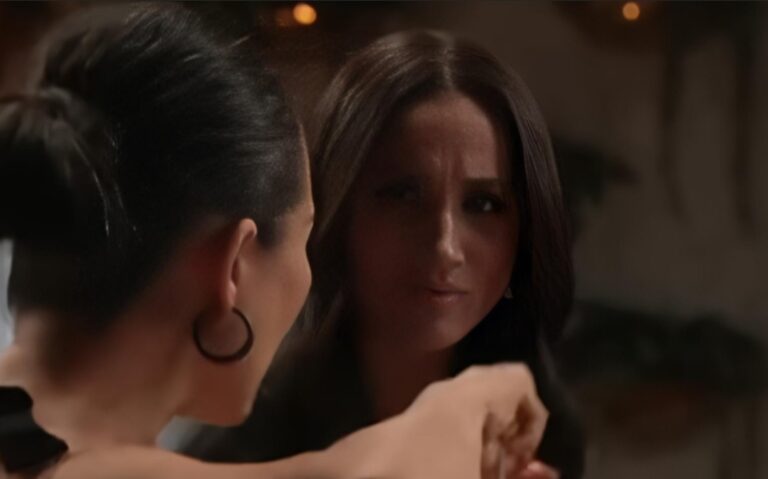
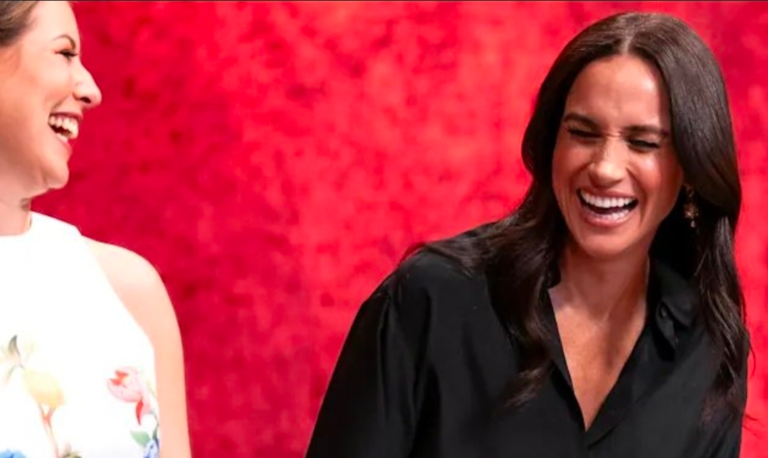
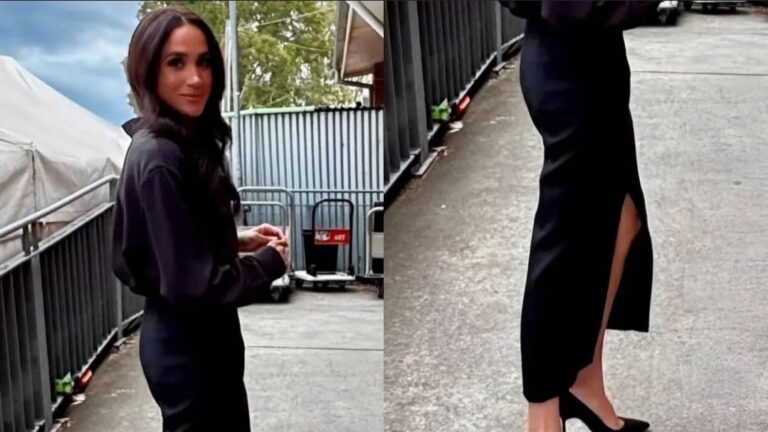
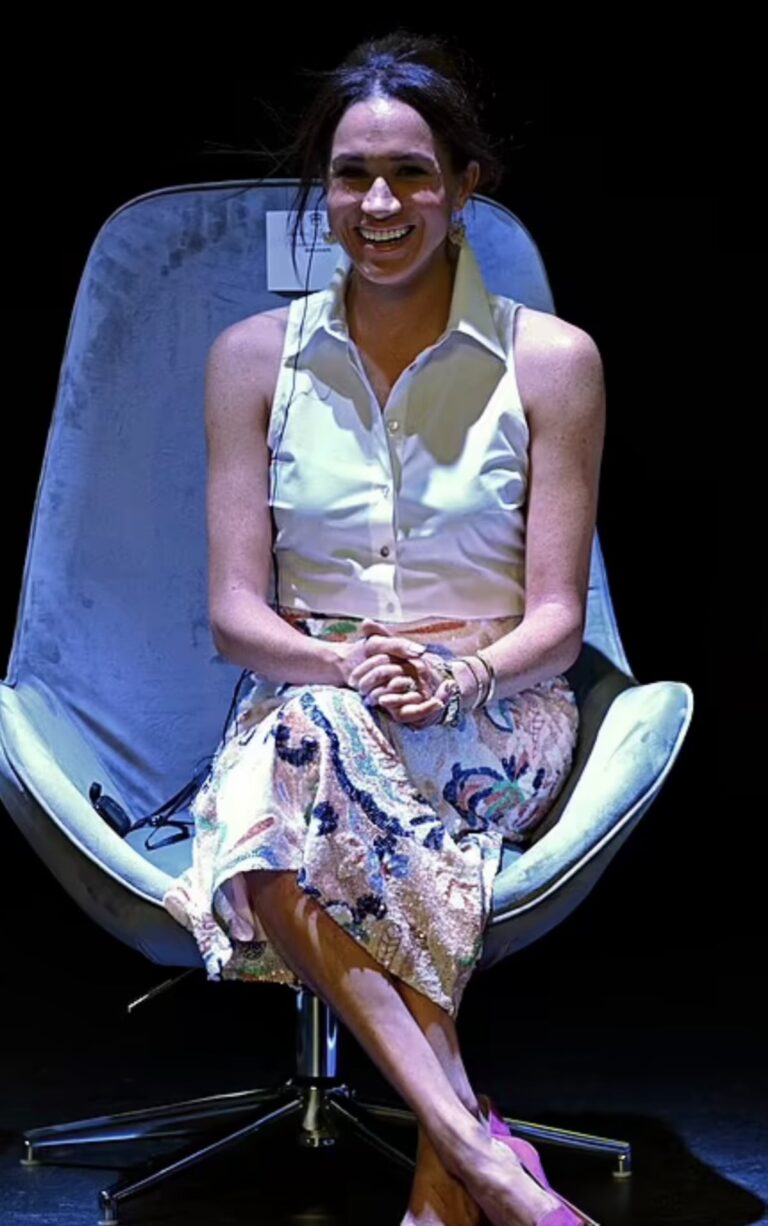
Comparisons with Meghan Markle inevitably resurface in these discussions. Meghan’s public appearances, often centered on fashion, philanthropy, or media projects, tend to generate their own wave of attention. Some analysts suggest that Meghan’s brand has evolved more seamlessly into lifestyle and entertainment spaces, while Harry’s identity remains more closely tied to his former royal role. “Meghan has carved out a lane that feels distinct,” a cultural commentator explained. “Harry, by contrast, is still negotiating what his independent platform truly represents.”
Meghan Markle’s strict ‘demand’ for Prince Harry as Firm in Epstein crisis | Royal | News | Express.co.uk
Complicating matters further are Harry’s ongoing legal battles concerning security arrangements when visiting the United Kingdom. After stepping back from official royal duties in 2020, he lost automatic access to taxpayer-funded police protection in Britain — a decision he has challenged in court. For Harry, the issue is framed as one of safety for himself and his family. For critics, it underscores the broader tensions between his desire for autonomy and the privileges historically associated with royal status.
Observers differ sharply on whether these developments signal a genuine decline in influence or simply a transitional phase. Some believe Harry is recalibrating, moving away from explosive interviews and memoir-driven headlines toward issue-based advocacy. Others argue that without the institutional framework of the monarchy, sustaining consistent global impact is inherently more challenging. “The palace once provided structure, visibility, and authority,” noted a former royal correspondent. “Outside of it, you must build those pillars yourself.”
Public opinion remains divided. Admirers see a man attempting to define himself beyond inherited roles, navigating complex family dynamics and global expectations under relentless scrutiny. Detractors perceive inconsistency, questioning whether his interventions are strategically focused or reactive. The truth may lie somewhere in between — a figure adjusting to life outside one of the world’s most tradition-bound institutions while trying to maintain relevance on his own terms.
What is undeniable is that Prince Harry continues to occupy a unique space in public life: neither fully royal nor entirely private citizen, neither conventional politician nor detached celebrity. That ambiguity ensures continued fascination, even if the tone of coverage has shifted. Whether this period represents a fading spotlight or the prelude to a more clearly defined chapter remains to be seen.