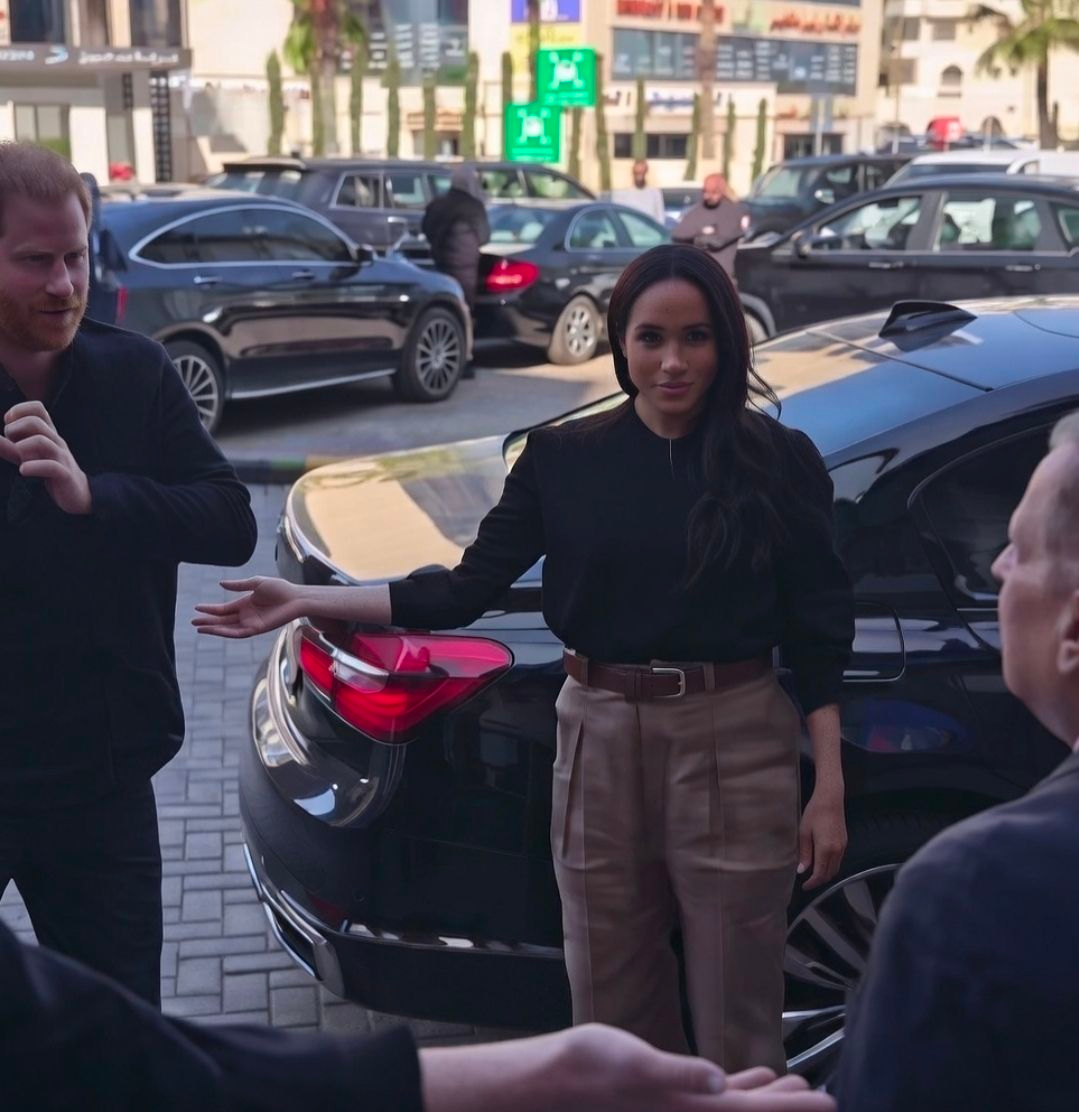
In a scene straight out of a slow-motion royal drama, Prince Harry came tantalizingly close to achieving true independence during his and Meghan Markle’s recent humanitarian visit to Jordan – only for Meghan’s legendary “claw” to strike back at the last second.
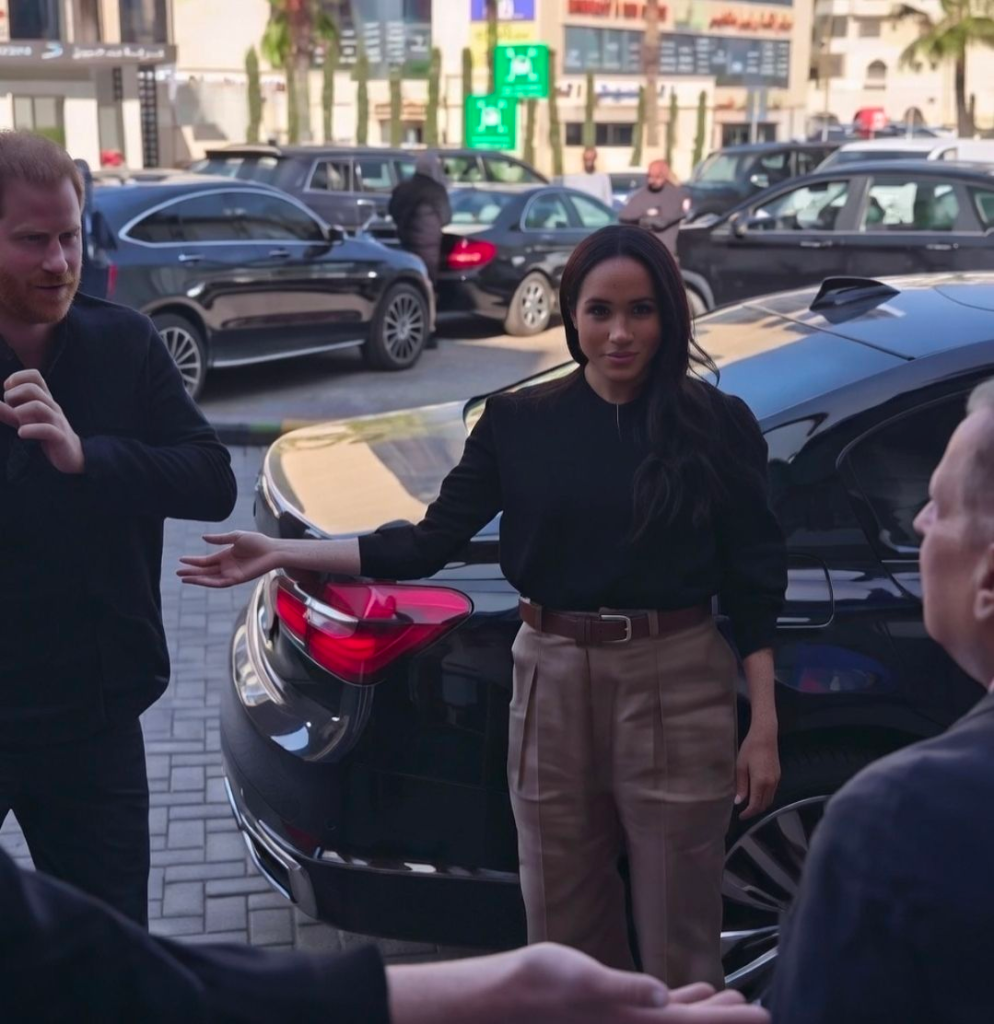
The couple, who jetted to the Middle East for a two-day trip focused on refugee support, mental health initiatives, and aid efforts for vulnerable communities affected by conflict, arrived in Amman earlier this week at the invitation of World Health Organization Director-General Dr. Tedros Adhanom Ghebreyesus. Their itinerary included emotional meetings with Palestinian children receiving medical care, tours of refugee camps like Za’atari (home to displaced Syrians), visits to World Central Kitchen’s operations coordinating food aid to Gaza, and stops at health centers including the King Hussein Cancer Center and the National Centre for Rehabilitation of Addicts.
While the Sussexes were praised in some circles for shining a light on critical humanitarian issues – their first joint international tour since August 2024 – eagle-eyed royal watchers spotted something far more intriguing amid the official photos and video clips: a rare, almost successful bid for freedom from the Duchess’s signature hand-hold.
Body language experts and online sleuths have long dubbed Meghan’s preferred method of linking arms or grasping her husband’s hand as “The Claw” – a firm, sometimes vise-like grip that critics claim signals control, while supporters dismiss as simple affection in high-pressure public settings. During one appearance in Jordan, however, Prince Harry appeared determined to break free.
Footage and stills from the visit show Harry momentarily loosening his hand as the couple moved through a crowd or transitioned between engagements. For a glorious split-second – perhaps half a step or less – the Duke achieved what many royal observers have dreamed of: a full, independent stride without the familiar tug. His posture straightened ever so slightly, shoulders relaxed, as if tasting the sweet air of solo navigation.
But alas, the moment was fleeting. Just as Harry extended his leg for what could have been a claw-free step, Meghan’s hand swooped back in with practiced precision. Fingers re-interlocked, grip re-established, and the couple continued side-by-side as if nothing had happened. Harry’s expression? A brief flicker of something – resignation? Amusement? Or perhaps the quiet thrill of almost making it?
This near-escape has sent shockwaves through royal commentary circles. “It was like watching a prisoner make a break for the fence only to get yanked back by the chain,” one anonymous palace insider reportedly quipped. Online forums lit up with memes and analysis: “Harry almost did it! The claw almost lost its prey!” one viral post read, garnering thousands of likes and shares.
The “claw” phenomenon isn’t new. For years, Meghan has been photographed employing a tight hold on Harry’s arm or hand during public outings – from red carpets to walkabouts. Detractors point to it as evidence of dominance in the relationship, while defenders argue it’s a natural response to intense scrutiny, crowd navigation, or simply a couple’s way of staying connected amid chaos. In Jordan’s high-stakes humanitarian settings – meeting burn victims, displaced families, and aid workers – the physical link could even be seen as a comfort amid heavy emotional moments.
Yet this Jordan incident stands out because Harry seemed so close to breaking the pattern. Was it deliberate? A subconscious bid for space during a trip already drawing questions about its quasi-royal nature (notably, no formal meetings with King Abdullah II or Crown Prince Hussein occurred, though they did connect with Princess Basma bint Talal)? Or just an innocent moment caught on camera?
The Sussexes’ Jordan visit has sparked broader debate. Some praise their focus on Palestinian children evacuated for treatment and refugee support programs, calling it meaningful advocacy. Others question the optics, especially amid Archewell Foundation restructuring rumors and criticism that the trip felt more performative than substantive. A few outlets even suggested it was a “pseudo-royal” outing that frustrated other royals back home.
Through it all, though, one thing remains constant: Meghan’s hand rarely strays far from Harry’s. In Jordan, he nearly slipped the grasp – but the claw, ever vigilant, re-engaged before victory could be declared.
Is this a sign of deeper tensions? Or just another chapter in the endless saga of one of the world’s most scrutinized couples? Royal fans will be watching their every move – and every hand-hold – more closely than ever.
Stay tuned as more details (and perhaps more escape attempts) emerge from the Sussex camp.