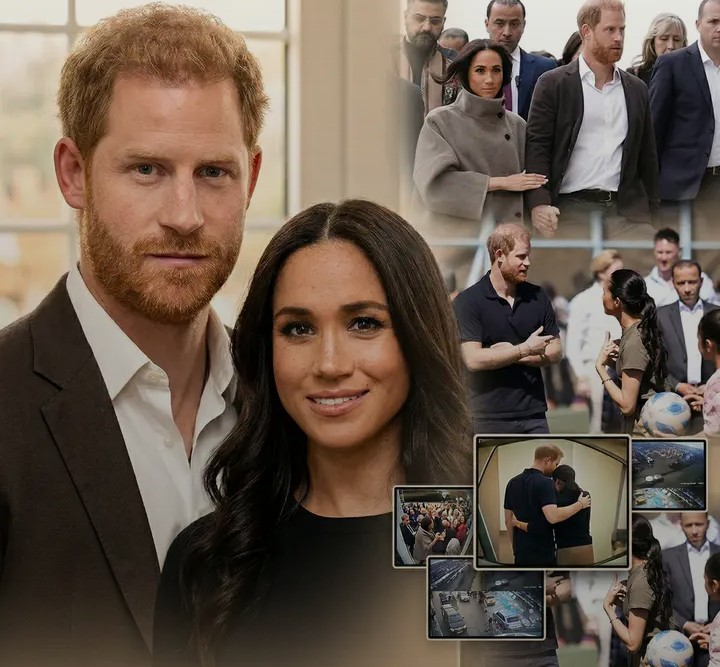
When body language speaks louder than press releases, even the most carefully curated image can begin to unravel. That is precisely what many viewers believe happened during the recent overseas appearance of Prince Harry and Meghan Markle. A short clip circulating widely on social media has triggered intense debate, with observers claiming it captures a shift in dynamics that would have been unthinkable just a few years ago. For a couple once defined by overt displays of unity and constant hand-holding, the change felt jarring.Meghan Markle and Prince Harry’s Handwritten Messages to Recovering Addicts at Jordan Rehab Center Revealed
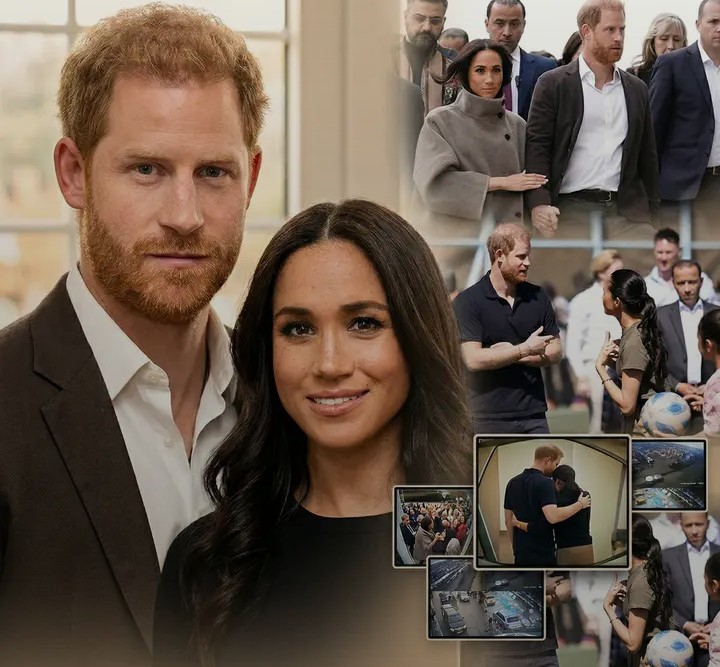
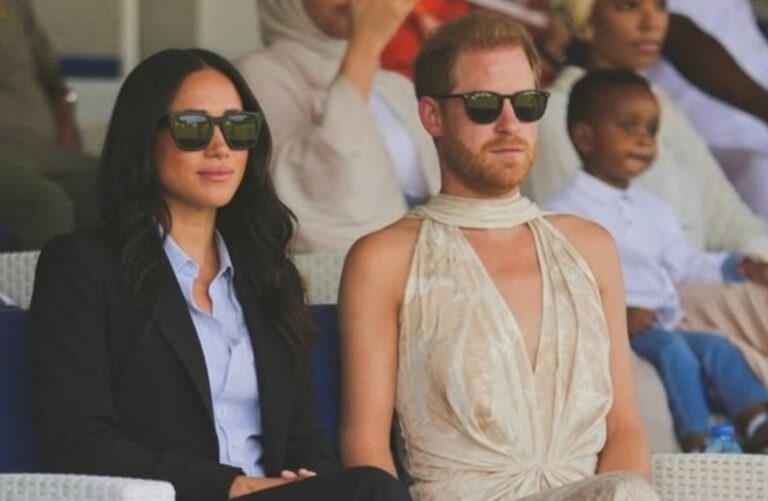
In the now-viral footage, Meghan appears to reach subtly toward Harry during a public moment, only for him to fail to respond. It is a small gesture, almost imperceptible without slow motion, but online commentators seized upon it as symbolic. “That hesitation wasn’t accidental,” one body language analyst remarked on a livestream discussion, arguing that Harry’s posture—angled away, shoulders tight—suggested emotional distance rather than distraction. Whether that interpretation is fair or exaggerated, the clip has undeniably fed a growing narrative that the couple’s once carefully maintained public intimacy is no longer effortless.Meghan Markle Having ‘Fiery Rows’ With Prince Harry — Expert
What has surprised many longtime followers is not merely the lack of physical contact, but the apparent confidence with which Harry allowed it to happen. In the past, critics often accused him of being overly protective, even deferential, toward Meghan in public. Now, some claim he looks detached, even mildly irritated. “He would never have dared to appear so distant before,” one royal watcher commented, reflecting a sentiment echoed across online forums. The implication is that something fundamental has shifted behind the scenes.Meghan Markle and Prince Harry Have Soccer Shoot-Out in Jordan: Who Won?
The setting has only intensified scrutiny. The couple’s latest trip has been described by detractors as a “fake royal tour,” organized independently without official endorsement from Buckingham Palace. While Harry and Meghan stepped back from senior royal duties in 2020, they have continued to engage in philanthropic travel. Yet the visual echoes of traditional royal tours—formal receptions, carefully staged walkabouts—have drawn criticism from those who argue that such symbolism blurs constitutional lines. Supporters counter that private citizens are free to conduct charitable visits wherever they are invited. Still, the optics remain contentious.
Adding fuel to speculation are reports from individuals who claim to have witnessed a tense exchange between the pair after cameras stopped rolling. Though no verified recording exists, accounts describe a strained conversation about scheduling, messaging, and perceived missteps during the day’s events. One onlooker alleged that the discussion was “not pleasant,” with raised voices quickly hushed when staff approached. It is important to treat such claims cautiously, yet they have contributed to the broader impression that harmony may be harder to maintain than their public brand suggests.
The broader royal context cannot be ignored. Relations between the Sussexes and the rest of the family—particularly Prince William—have remained frosty since the couple’s departure. Meanwhile, King Charles III continues to navigate a delicate balancing act, preserving institutional stability while minimizing public conflict. Against that backdrop, any independent initiative by Harry and Meghan inevitably attracts scrutiny, with critics questioning whether their activities inadvertently complicate the monarchy’s messaging.
Public reaction has been sharply divided. Some viewers interpret the body language moment as proof of marital strain, while others see nothing more than a fleeting, human lapse. “Couples have off days,” one commentator wrote, cautioning against overanalysis. Yet even neutral observers concede that perception matters. For figures whose influence relies heavily on image, consistency in presentation is critical. A single viral clip can overshadow hours of otherwise successful engagement.
There is also the question of fatigue. After years of relentless media attention, legal battles, and public criticism, it would be unsurprising if both Harry and Meghan felt the strain. Emotional exhaustion can manifest subtly—in posture, in eye contact, in reflexive gestures not returned. If that is the case, the footage may reveal less about a collapsing relationship and more about the human cost of living perpetually under surveillance. Still, in an era where every frame is dissected, nuance often yields to narrative.
Ultimately, the camera may have captured only a fleeting moment, but the reaction underscores a deeper truth: the Sussexes’ story remains inseparable from public perception. Whether they are genuinely struggling or simply victims of overinterpretation, the intense focus on their body language reveals how fragile carefully constructed images can be. For a couple once celebrated for rewriting royal conventions, the challenge now may be sustaining authenticity in a space where every glance becomes evidence and every pause invites speculation.