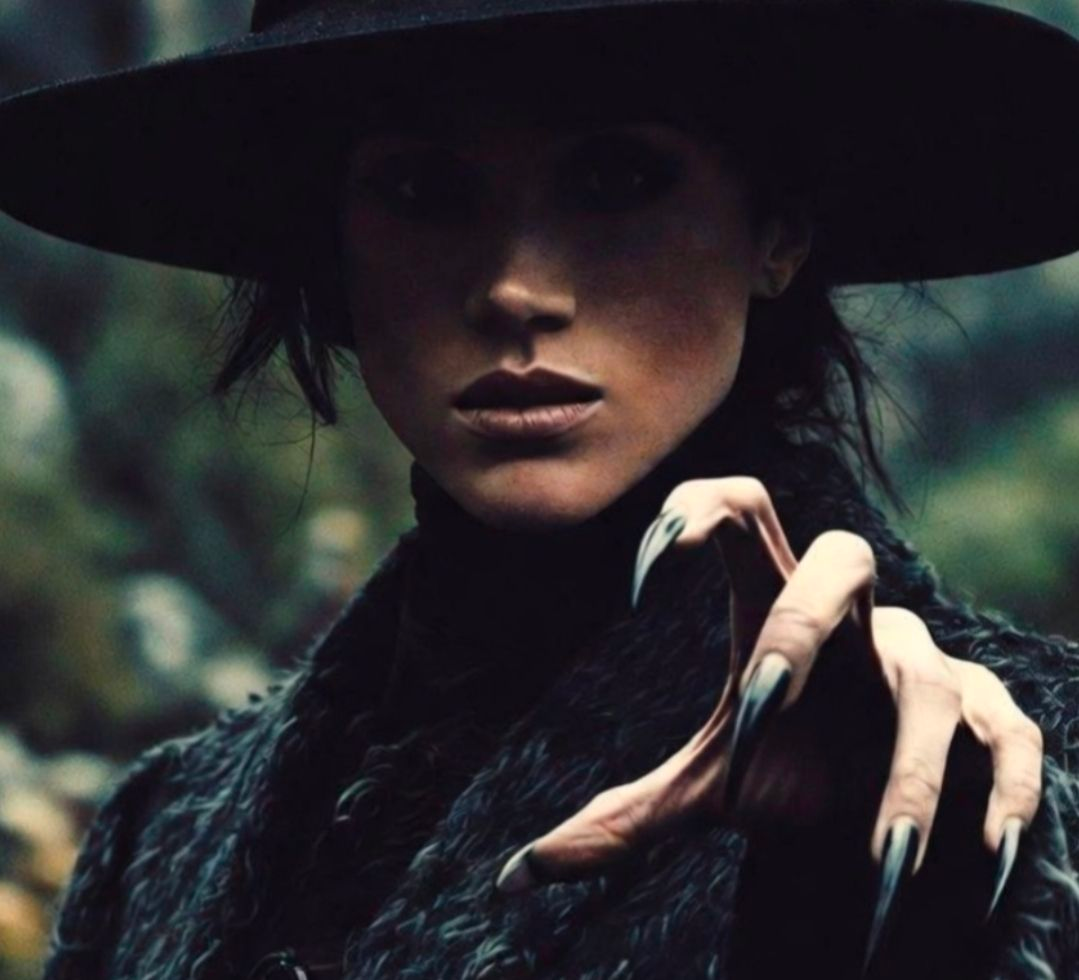
In a move that stunned the world and left royal watchers reeling, Meghan Markle — once hailed as the fresh, modern face of the British monarchy — appeared to aggressively pursue her entry into the most exclusive club on earth, only to abandon it in under two years. Married to Prince Harry in May 2018, she spent roughly 20 months as a full-time working royal before the couple’s bombshell announcement in January 2020 that they would “step back” as senior members of the Royal Family. Now, from the sun-drenched hills of Montecito, California, critics argue she’s attempting to recreate the glamour and protocol of royal life on her own terms — minus the actual duties, accountability, or traditions.
The timeline is stark. Meghan and Harry’s wedding at St. George’s Chapel was a global spectacle, blending Hollywood flair with centuries-old pomp. Meghan, the former *Suits* actress and American divorcee, was thrust into the spotlight as the Duchess of Sussex. Supporters celebrated her as a breath of fresh air; detractors whispered about ambition. Within months, reports of tensions surfaced — staff turnover at Kensington Palace, alleged clashes with other royals, and a media frenzy that painted her as difficult. By early 2019, with the birth of son Archie, cracks were showing. Less than a year later, the couple dropped their Instagram post declaring their intent to become “financially independent” and split time between the UK and North America.
The official exit came on March 31, 2020 — barely 20 months after the wedding vows. Buckingham Palace confirmed they would no longer undertake engagements on behalf of the Queen, lose their HRH styles in official capacities, and repay Frogmore Cottage renovations. What began as a fairy-tale romance ended in what tabloids dubbed “Megxit,” a term that still draws ire from supporters but resonates with those who saw it as a calculated escape.
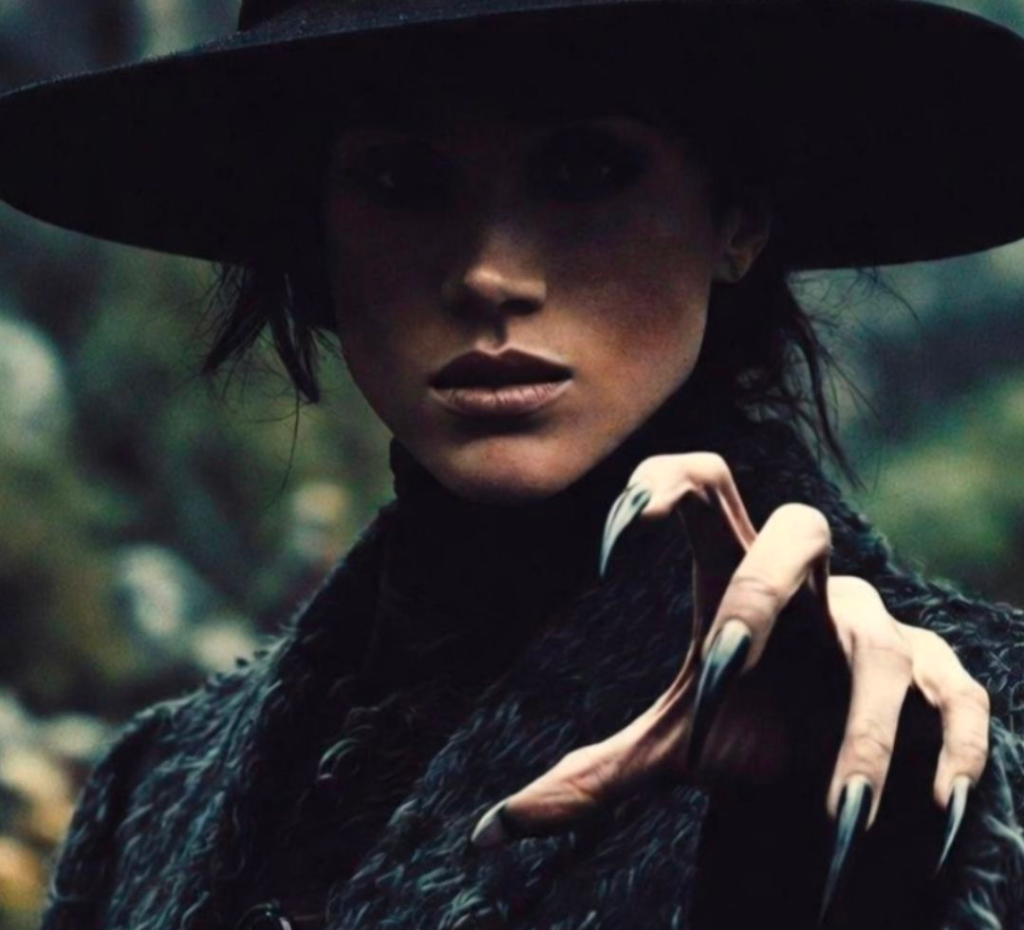
Critics point to Meghan’s pre-royal life as evidence of relentless ambition. From bit parts in television to landing a starring role on *Suits*, she built a career through determination. Some royal observers claim she “clawed” her way into Harry’s orbit — a phrase echoed in commentary labeling her a “ruthless social climber” who “hooked her claws” into the prince. Body language experts have long dissected her public grip on Harry’s arm — nicknamed “the claw” — as a sign of control rather than affection. Whether fair or not, the narrative persists: Meghan targeted the pinnacle of status and, when the reality of rigid protocols, scrutiny, and family dynamics didn’t suit, she walked away.
Now ensconced in a sprawling $14 million+ Montecito estate, Meghan appears to many as running a parallel “court.” Through Archewell — their foundation and production company — the couple pursues philanthropy, media deals, and personal branding. Yet controversies mount. Archewell has faced scrutiny over finances, including reports of delinquency in filings, low fundraising against high spending, and a quiet shift to fiscal sponsorship models. High-profile ventures like the Netflix docuseries *Harry & Meghan*, Harry’s memoir *Spare*, and Meghan’s lifestyle show *With Love, Meghan* have drawn mixed reviews — some praising authenticity, others slamming them as narcissistic or inauthentic.
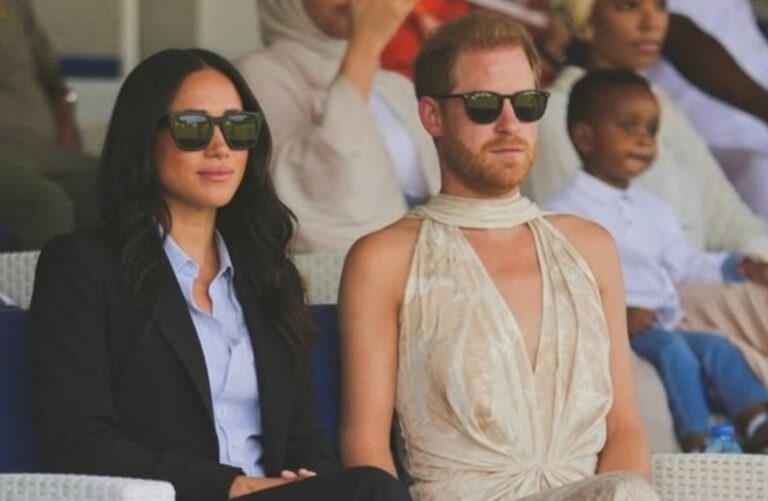
Detractors say it’s all “pretend royalty.” Meghan films lifestyle content in rented properties to avoid disrupting her family home, curates a polished image of domestic bliss and do-gooding, and occasionally steps out in outfits reminiscent of royal tours. Meanwhile, her Montecito neighbors describe her as “controlled” and “practically invisible,” uninterested in community integration. Prince Harry, by contrast, is seen as more approachable. From jam ventures to charity reports emphasizing “authenticity” amid accusations of the opposite, the Sussexes seem to replicate royal patronages and public service — but without the institutional backing or public funding.
The irony is thick. After railing against the constraints of royal life — media intrusion, lack of privacy, family tensions — Meghan and Harry have built a brand heavily reliant on their royal connections. They leverage titles (Duke and Duchess of Sussex) in bios and appearances, tour globally in quasi-official capacities (like recent visits drawing attention), and maintain a spotlight once provided by the Firm. Yet without the structure, critics argue it’s a hollow imitation — playing dress-up in a mansion far from Buckingham Palace.
Royal insiders and commentators suggest the move has backfired. Netflix deals have soured, projects face cancellation rumors, and public goodwill appears eroded. What was sold as freedom now looks like a gilded cage of self-promotion. Meghan entered the royal fold with promises of modernization; she exited when it didn’t bend to her vision. Now, from across the Atlantic, she seems determined to keep the duchess fantasy alive — protocol, poise, and all — just without the pesky obligations.
As the couple navigates their post-royal reality, one question lingers: Was the monarchy ever the goal, or merely a stepping stone? For many watching from afar, the answer feels painfully clear. Meghan clawed her way in, walked out swiftly, and now reigns over her own self-styled kingdom — one where the crown is optional, but the cameras are always rolling.
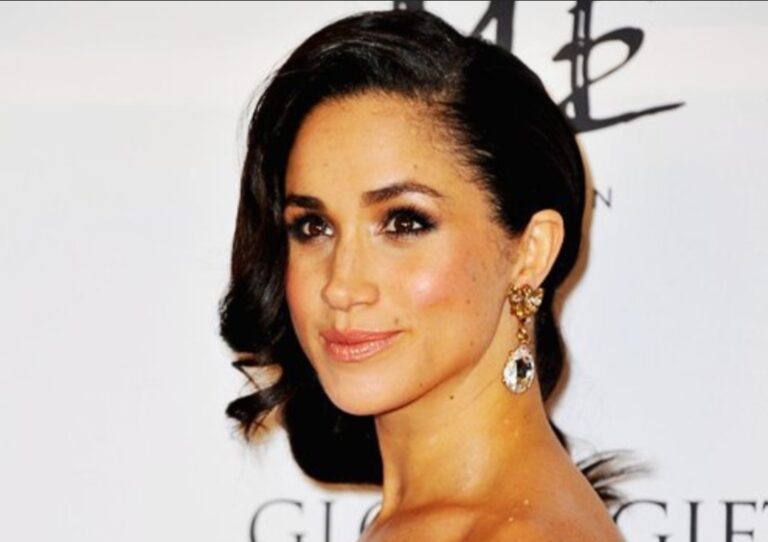
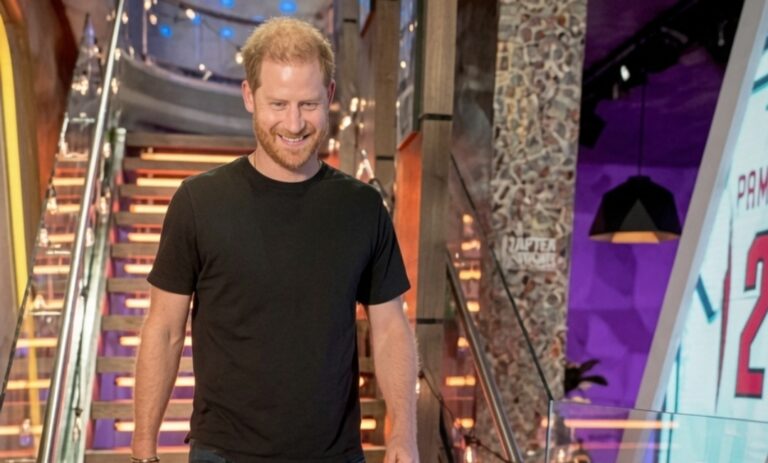
she and Harry are demented thinking they are better than anyone else. Let’s see how they feel when ALL titles are taken away .Egos with no where to hide.