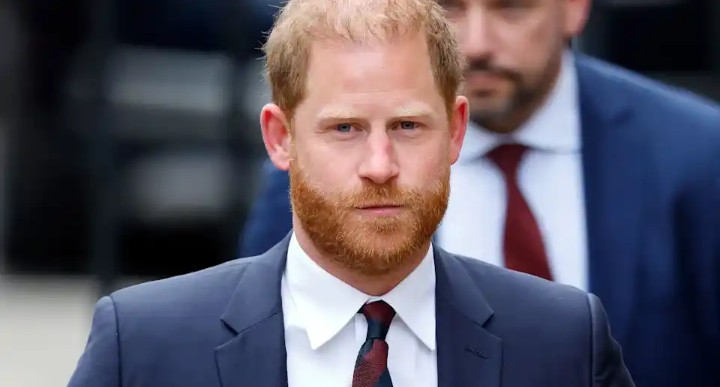
Prince Harry‘s reaction against “utterly disgusting” media treatment of Meghan Markle had swerved the established royal “process of doing things” and made King Charles and Prince William “look bad,” a new royal book says. Meghan was subject to a wave of inflammatory stories when her relationship with Harry was first revealed at the end of October 2016, including an infamous story stating she was “(almost) straight outta Compton,” when in fact she was from another part of Los Angeles.
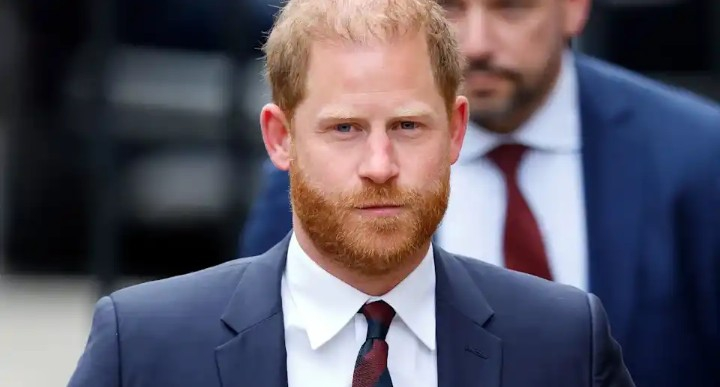
Harry fired back at the media in a statement from his spokesman, Jason Knauf, just more than a week after the news broke-but the prince argued in his own book how it made Prince William and King Charles look bad “because they’d never put out a statement for their girlfriends or wives when they were being harassed.” Now, William and Catherine, by Russell Myers, has given the royal perspective on the frustration the debacle caused, suggesting Harry bypassed the normal protocol for tackling the media. Myers wrote: “On 8 November 2016, a statement was issued highlighting ‘a wave of abuse and harassment…the racial undertones of comment pieces; and the outright sexism and racism of social media trolls and web article comments’ that Meghan has been subjected to. “Harry had taken a stand, but he had left his father and brother utterly furious. A royal source said, ‘The feeling was that Harry had made them both look bad. Granted, he was rightly outraged about the treatment his girlfriend was receiving, some of the coverage was utterly disgusting, but the royal family have a specific way or process of doing things. This wasn’t it.’”
Why It Matters Harry’s perspective on the cause of the breakdown in relations with his father and brother owes largely to his belief they did not do enough to support Meghan in her problems with the media. Myers suggests this early incident was the beginning of that dynamic, with Harry believing they should have helped rather than criticized his actions. Prince William’s Anger and the Seeds of Royal Rift “Harry was infuriated that his father and brother admonished him for his rash actions, and the tense conversations left Harry astounded that his own kin were refusing to offer their support, even after their spouses had endured years of being hounded by the media,” Myers wrote. “William was angered that their shared communications team had not thought to consult him before issuing such a formal rebuke. He also, as Harry related in his memoir, questioned the seriousness of Harry’s relationship to his face. “Harry also says that William openly mocked him for suggesting that their late mother sent Meghan to him in some form of spiritual guidance, ‘Well now, Harold … I’m not sure about that. I wouldn’t say THAT!’ “Harry did not like having his feelings challenged, nor did he appreciate being told what to do. It is not hard to sympathise with Harry here. Why should his older brother have any say over who he should date or how he should feel?” In fact, the book argues this incident, at the very start of Meghan’s relationship with the British public, may have been the first concrete sign of the disintegration in royal relations that would ultimately end with Harry and Meghan quitting the palace for a new life in America in 2020, some four years later. “A palace source close to the brothers told how this period did indeed mark an outward shift in their relations,” he wrote. “Suddenly it was harder to get them in the same room, each giving various excuses as to why they could not-or perhaps would not-be available to engage with meetings together.”