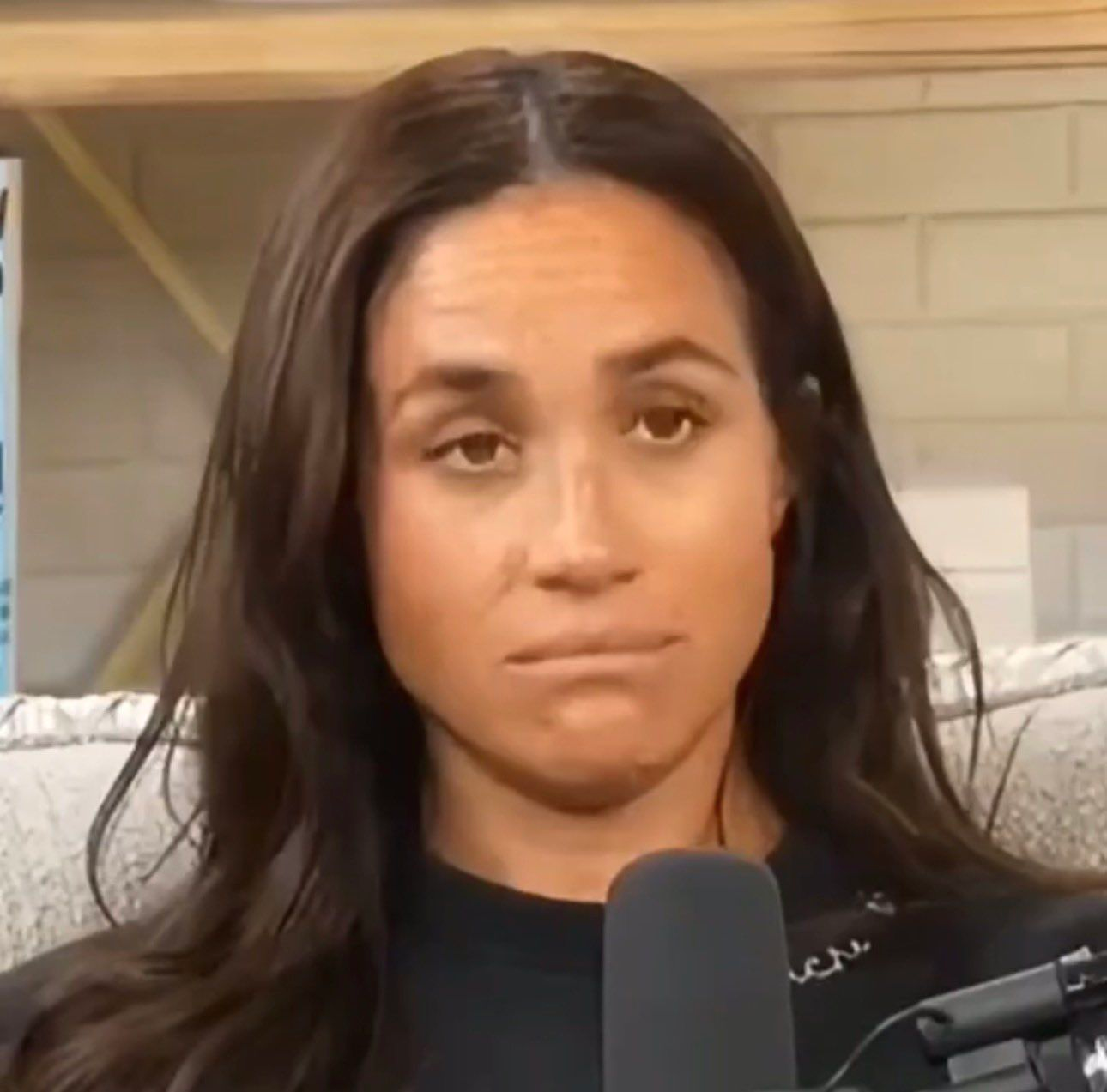
In a moment that sent shockwaves through the world, five years ago today, Meghan Markle sat down with Oprah Winfrey and leveled an explosive allegation against the British Royal Family: concerns over the skin color of her unborn son, Archie. It was March 7, 2021, when the Duchess of Sussex, alongside Prince Harry, unleashed a narrative that painted the monarchy as harboring racial biases, an accusation that ignited global outrage and debate. But was this a heartfelt revelation or a calculated strike? As we mark the fifth anniversary, evidence suggests it was the latter – a claim designed to inflict maximum damage on an institution bound by protocol, unable to fully defend itself, all while the late Queen Elizabeth II and Prince Philip faced their final, fragile years.
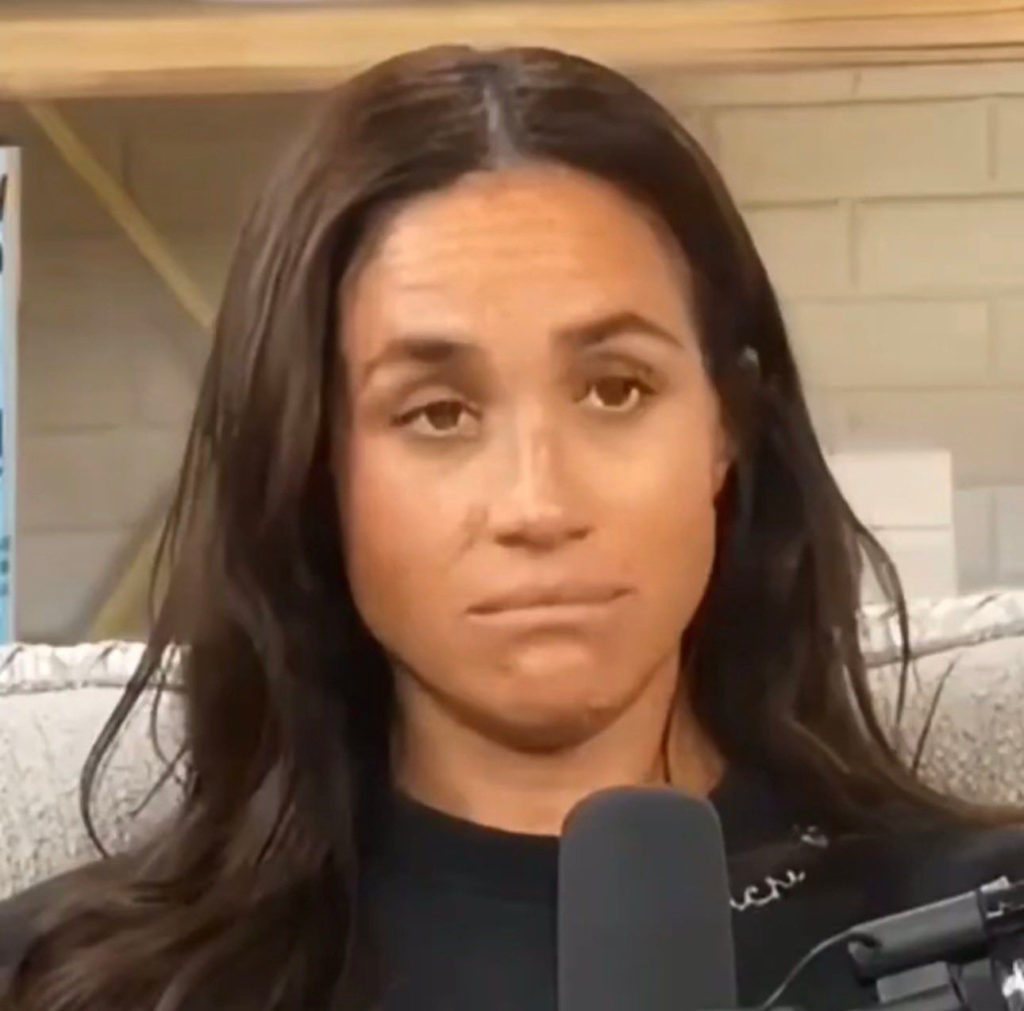
The interview, broadcast to an audience of millions, wasn’t just a conversation; it was a meticulously staged event that thrust the Royals into a crisis they couldn’t publicly escape. Meghan described “concerns and conversations about how dark his skin might be when he’s born,” implying deep-seated racism within the family. Prince Harry corroborated the story, revealing he was “a bit shocked” by the remarks. This bombshell dominated headlines, with outlets worldwide branding the monarchy as outdated and prejudiced. Yet, the Royals’ hands were tied. Tradition and duty demand restraint – no mud-slinging press conferences, no fiery rebuttals. Instead, they issued a measured statement from Buckingham Palace: “The issues raised, particularly that of race, are concerning. While some recollections may vary, they are taken very seriously and will be addressed by the family privately.” It was a dignified response, but one that left the shadow lingering.
What made the timing so cruel? Prince Philip was hospitalized and gravely ill during the interview’s airing, passing away just weeks later on April 9, 2021. The Queen, then 94 and in the twilight of her reign, was forced to navigate this public humiliation amid personal grief. Critics, including royal commentators, decried it as “heartless” to “diss the Royal Family while Prince Philip lay dying,” turning what could have been a private family matter into a global spectacle that haunted the Queen’s final years. The accusation not only smeared the family’s legacy but amplified existing tensions, with Harry later admitting in interviews that racism played “a large part” in their decision to step back from royal duties.
Digging deeper, the narrative begins to unravel. In the years following, Harry himself backtracked on the racism label. During a 2023 ITV interview with Tom Bradby to promote his memoir *Spare*, Harry snapped back when accused of labeling his family racist: “No I didn’t… the British press said that.” He reframed it as “unconscious bias,” a far cry from the overt racism implied in the Oprah sit-down. Even Oprah clarified that the unnamed royal wasn’t the Queen or Prince Philip, but the damage was done. Why the initial vagueness? Detractors argue it was strategic – an allegation broad enough to tarnish the entire institution without specifics that could be directly refuted. As one X post poignantly noted, “Meghan Markle went on television and accused the Royal Family of racism… a calculated accusation that cast a shadow over an entire family while they were bound by duty and tradition not to publicly fight back.”
The Royals’ response was swift but subdued. Prince William, during a school visit days after the interview, firmly stated, “We are very much not a racist family.” Queen Elizabeth’s statement expressed sadness and concern, vowing private resolution, but the palace’s silence on details only fueled speculation. Sources later revealed letters exchanged between Meghan and then-Prince Charles (now King Charles III), where she acknowledged the remark wasn’t made with malice, emphasizing unconscious bias rather than outright racism. Yet, the initial claim stuck, dividing public opinion and plunging the family into a PR nightmare. Buckingham Palace investigated related bullying allegations against Meghan, but the racism charge lingered like a dark cloud over the monarchy’s reputation.
The fallout was immense. The interview exacerbated rifts within the family, with Harry describing feeling “let down” by his father and brother. It also highlighted broader issues of race in Britain, but many felt the Sussexes’ approach weaponized personal grievances for global sympathy – and profit. The CBS special reportedly earned them millions, kicking off a string of lucrative deals with Netflix and Spotify. But as one observer put it, “the grand promises of independence, global influence and unstoppable success have largely amounted to empty announcements and projects that quietly disappear.” Fast-forward five years to March 2026, and the irony is stark. The monarchy endures, with King Charles III steering the family through challenges like health scares and public scrutiny, maintaining public respect and relevance. Polls show continued support for the institution, bolstered by events like the Platinum Jubilee and Coronation.
Contrast that with the Sussexes’ trajectory. Their Spotify deal collapsed amid controversy, Netflix projects like *Harry & Meghan* drew mixed reviews, and Archewell’s initiatives have faced criticism for underwhelming impact. Meghan’s lifestyle brand, American Riviera Orchard, launched with fanfare but has been mocked for its limited output – think overpriced jams gathering dust. Hollywood, once eager to court them, now seems distant; A-listers who packed their 2018 wedding (Oprah included) have largely faded from view. As one X user quipped, “Five years later there isn’t a single truly successful project to point to and everywhere she goes the reaction is more ridicule than admiration.” Even their Invictus Games, a Harry passion project, have been overshadowed by personal dramas.
Public sentiment has shifted too. Initial sympathy for Meghan’s mental health struggles – she revealed suicidal thoughts during the interview – gave way to skepticism as inconsistencies emerged. For instance, her claim of a private wedding three days before the public spectacle was debunked by the Archbishop of Canterbury. And the passport “confiscation” narrative? Standard protocol for royals, not imprisonment. Harry’s own words in *Spare* omitted the skin color incident, further muddying the waters. Critics like Nana Akua on GB News blasted the couple: “It was heartless… making the Queen’s last years a nightmare!”
This saga underscores a tale of two paths: one of quiet duty, the other of public spectacle. The Royals, despite the storm, have rebuilt bridges – witness William and Harry’s brief reunion at the Queen’s funeral. Meanwhile, the Sussexes’ brand, built on victimhood, appears fractured. As royal insider sources suggest, the accusation was less about truth and more about leverage in their “Megxit” narrative.
Five years on, karma seems to have spoken. The monarchy stands resilient, its legacy intact. For Meghan and Harry, the explosive claim that promised freedom has instead highlighted the perils of burning bridges. History, as one commentator wisely noted, “has a way of revealing who acted with dignity and who chose bitterness and opportunism.” In the end, the Royals’ silence wasn’t weakness – it was strength. And that’s a lesson that echoes louder than any interview.
Meghan is nothing but trouble. She has since falsely accused others of racisms. Take away her titles, she relies on them to make money and pave the way to entrance of places she would never be allowed. She is still a Strumpet but in a different zone.