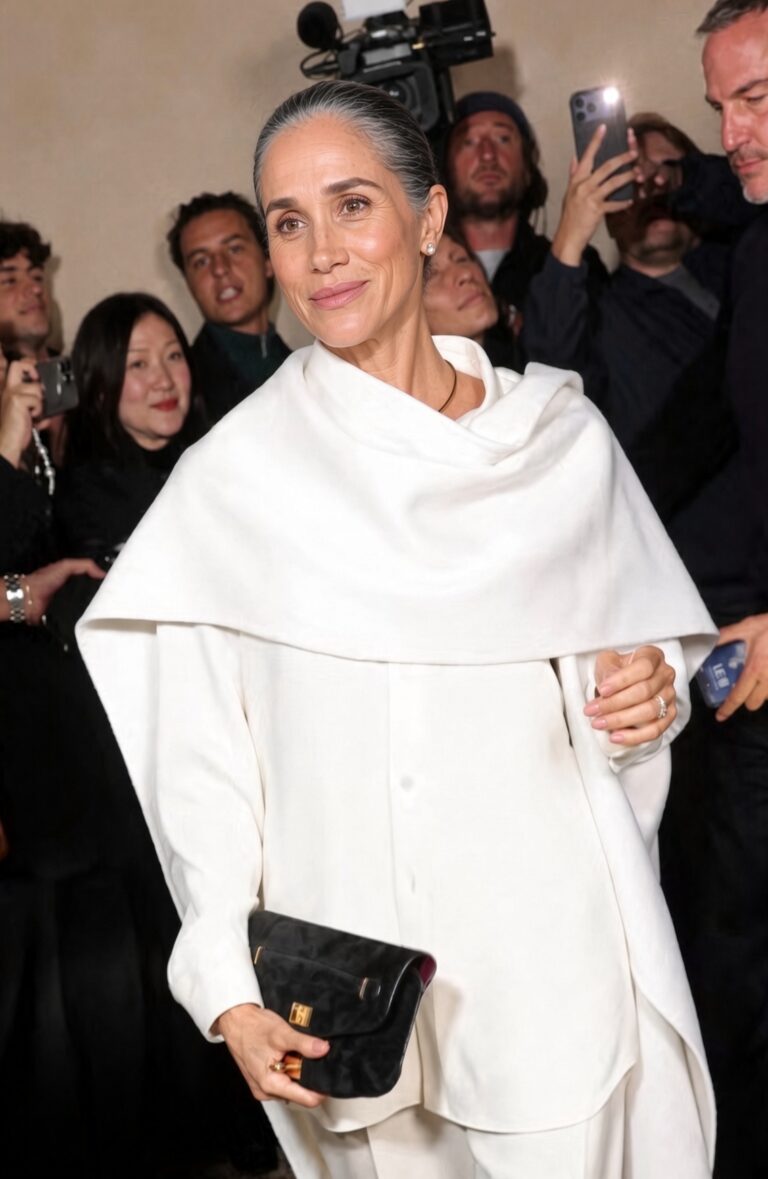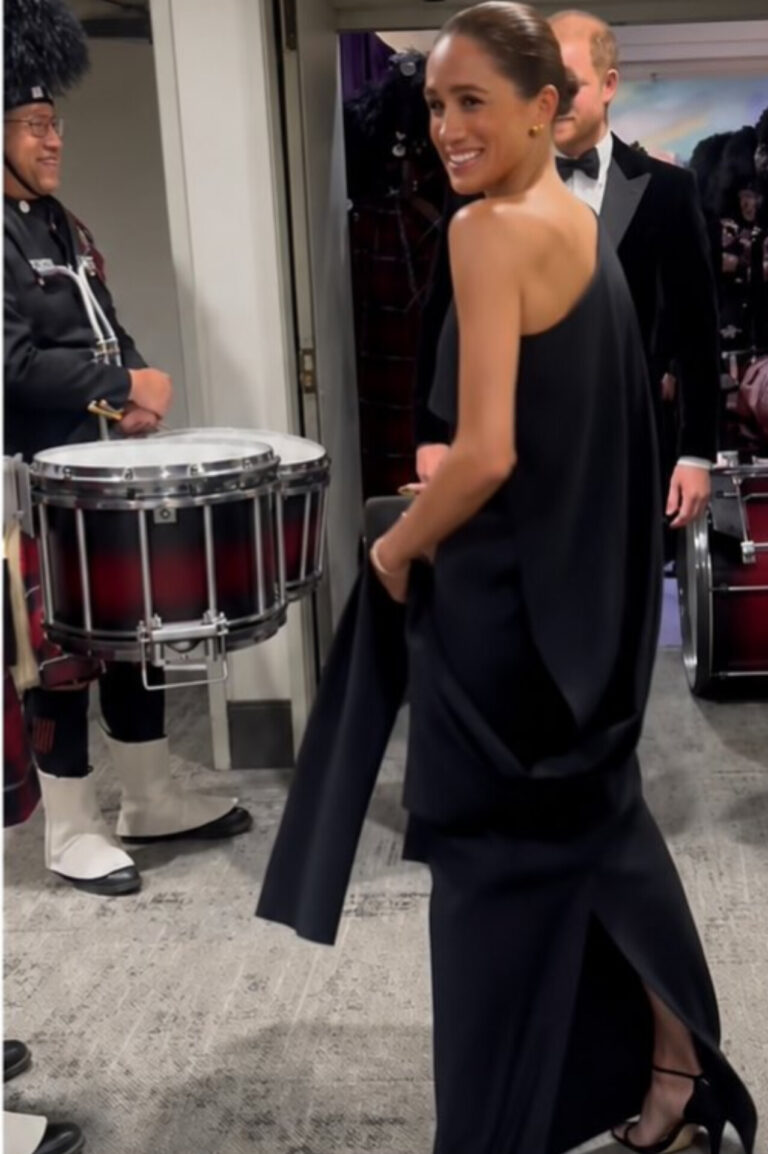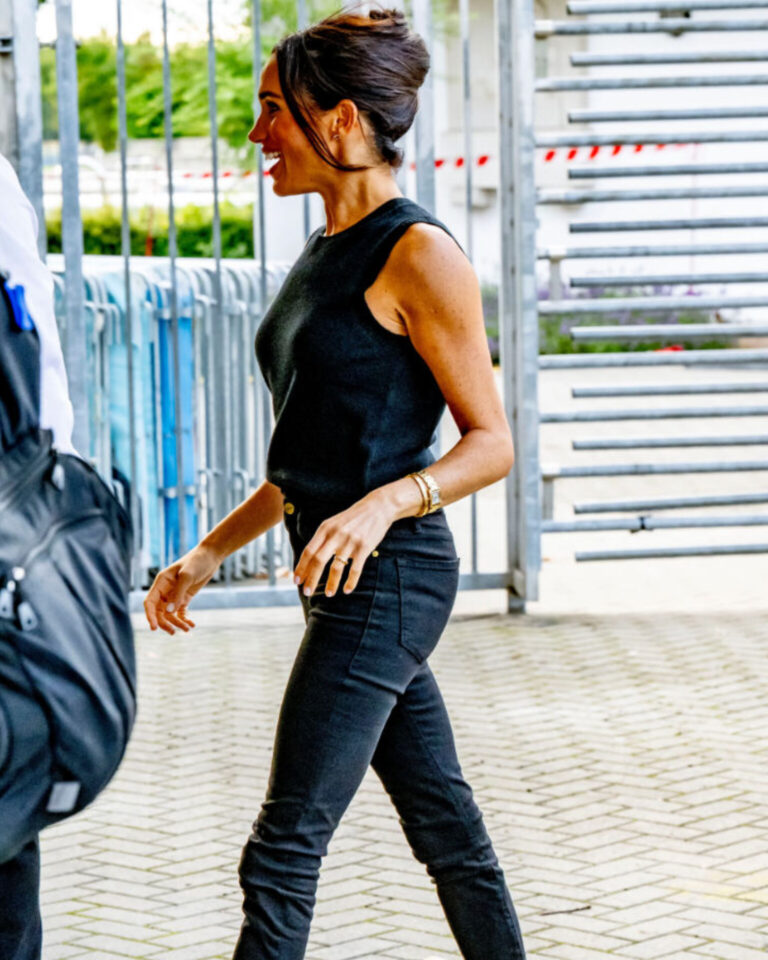
In recent weeks, renewed attention has turned toward the media strategy surrounding Meghan Markle and Prince Harry, particularly as reports emerge about a planned visit to Australia and a noticeable surge in interviews and public messaging linked to the couple. For some observers, the timing is not a coincidence. Instead, they believe the tour and the growing media presence reflect a coordinated attempt to reshape the narrative around the Duke and Duchess of Sussex at a moment when their public image is facing increasing scrutiny.
Prince William Through the Years
The renewed debate intensified after commentators revisited a 2025 interview Meghan gave to Bloomberg. In that conversation, she once again recounted the story she often tells about writing a letter at age 11 to protest a television advertisement she believed was sexist. Meghan described the moment as empowering, saying it helped her realize that even a young voice could spark change. Yet when the interview resurfaced in recent discussions, critics argued that the story—repeated frequently across multiple interviews—has begun to sound overly polished and rehearsed.
Harry and Meghan were banned from being part-time royals. They’re doing it anyway
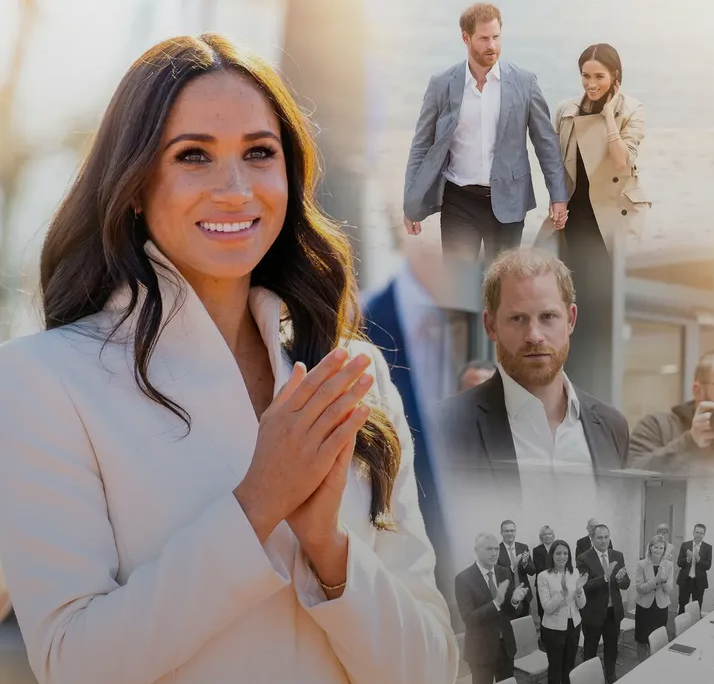
Body language analysts and royal commentators examining the clip suggested that the tone of the interview revealed more than the words themselves. Some pointed to moments where Meghan appeared to frame her face with her hands or pause before certain answers, interpreting these gestures as signs of careful messaging rather than spontaneous reflection. While such interpretations remain subjective, they have fueled a broader conversation about how the former actress presents her personal narrative to the public.
Meghan’s brainwashed Harry,’ Camilla told a friend
Another part of the interview that drew attention was Meghan’s description of her time as a working member of the British royal family. She joked about having to wear neutral-colored pantyhose during official appearances, suggesting that strict dress expectations made her feel less authentic. Critics quickly pushed back, noting that photographs from that period show occasions when she did not follow that specific guideline. For some commentators, the disagreement was less about fashion and more about credibility. As one media analyst put it, “Small details matter when the audience is already questioning the larger story.”
New Prince Harry book a ‘deranged conspiracy’, his spokesperson says | Reuters
At the center of the discussion, however, is a much bigger issue: Meghan’s evolving relationship with royal identity. Although she still legally holds the title Duchess of Sussex, she and Prince Harry stepped back from their roles as working royals in 2020. Since then, their lives have shifted dramatically—from palace duties and state ceremonies to media deals, documentaries, and commercial ventures in the United States.
This shift has created a complicated dynamic. On one hand, the Sussex brand remains closely tied to the royal titles they carry. On the other hand, the couple has frequently criticized aspects of the institution they left behind. For supporters, that willingness to speak out represents independence and authenticity. For critics, it raises questions about whether continuing to use royal titles while operating outside the royal framework sends mixed signals.
The planned Australia visit is now being viewed through that lens. Australia was one of the places where Harry and Meghan received some of their warmest receptions during their 2018 royal tour. Huge crowds lined the streets, and international media coverage painted the couple as the modern face of the monarchy. According to several royal observers, that moment of popularity may have played a role in shaping the Sussexes’ confidence during later negotiations with the palace.
But the landscape has changed significantly since then. Over the past five years, tensions between the Sussexes and the rest of the royal family have played out publicly through interviews, documentaries, and memoirs. Because Australia remains part of the Commonwealth and still recognizes the British monarch as head of state, some analysts believe the reception could be more complicated this time.
One commentator recently suggested that returning to Australia may be an attempt to reconnect with a fan base that once embraced the couple enthusiastically. “From a PR perspective, it makes sense,” the analyst explained. “You go back to where the magic first happened and try to remind people why they loved you in the first place.”
Yet not everyone is convinced the strategy will work. Some royal watchers argue that public sentiment has shifted and that the couple’s relationship with Commonwealth audiences may not be as strong as it once was. A social media user reacting to the news of the tour wrote that admiration for the Sussexes “used to be huge,” but that constant headlines and controversies have made many people feel exhausted by the ongoing drama.
At the same time, the media environment surrounding Harry and Meghan has grown more competitive. Several of their early entertainment partnerships attracted enormous attention, but maintaining that momentum has proven difficult in an industry where public interest can shift quickly.
Against that backdrop, the sudden wave of interviews, commentary, and international appearances now looks less random and more strategic. Whether the Australia visit becomes a triumphant return or an awkward reminder of how much has changed remains to be seen.
What is clear is that the story of Meghan Markle’s post-royal life continues to evolve. And with every new appearance, every interview, and every planned tour, the question that follows her seems to grow louder: what exactly comes next for the woman who once stood at the center of the monarchy’s most modern chapter?