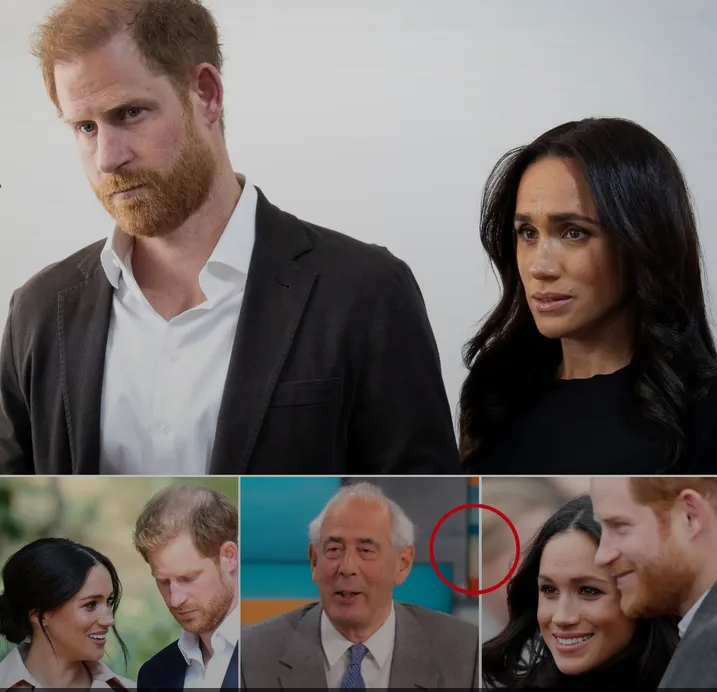
The latest controversy surrounding Meghan Markle and Prince Harry has reignited long-running debates about their relationship, public image, and post-royal life. At the center of the storm is Tom Bower, whose new book Betrayal has triggered a sharp and highly public response from the couple. Their statement, dismissing Bower’s work as “deranged” and obsessive, has drawn as much attention as the allegations themselves.
Harry and Meghan accuse royal author of ‘deranged conspiracy’ – BBC News
For critics, the intensity of that response is telling. Rather than ignoring the claims or pursuing legal action—something the Sussexes have not hesitated to do in the past—they chose to publicly discredit the author. Some commentators argue that this strategy risks backfiring. “If it’s nonsense, why not let it fade?” one media analyst noted, echoing a sentiment increasingly visible among royal watchers. The absence of legal pushback has become a recurring talking point, especially given Bower’s reputation for detailed, legally vetted reporting.
Prince Harry and Meghan slam author of new book on royals for ‘deranged conspiracy’
The book reportedly paints a troubling picture of the couple’s private and professional lives. It suggests mounting financial pressures, stalled business ventures, and a widening divide between their individual ambitions. According to excerpts being widely discussed, Meghan is portrayed as focusing heavily on personal branding and commercial success, while Harry appears increasingly disconnected from his former identity and support system. These claims, though contested, have fueled speculation that their partnership may not be as unified as it once appeared.
Meghan Markle Makes Confession About Prince Harry in Netflix Trailer
One of the most controversial elements involves remarks attributed indirectly to Queen Camilla, who is said to have described Meghan as having “brainwashed” Harry. While unverified, the claim has circulated widely and reinforces a narrative that has existed in some corners of the media for years: that Harry underwent a dramatic transformation after his marriage. Observers point to his estrangement from the royal family, including Prince William, as evidence of a deeper shift.
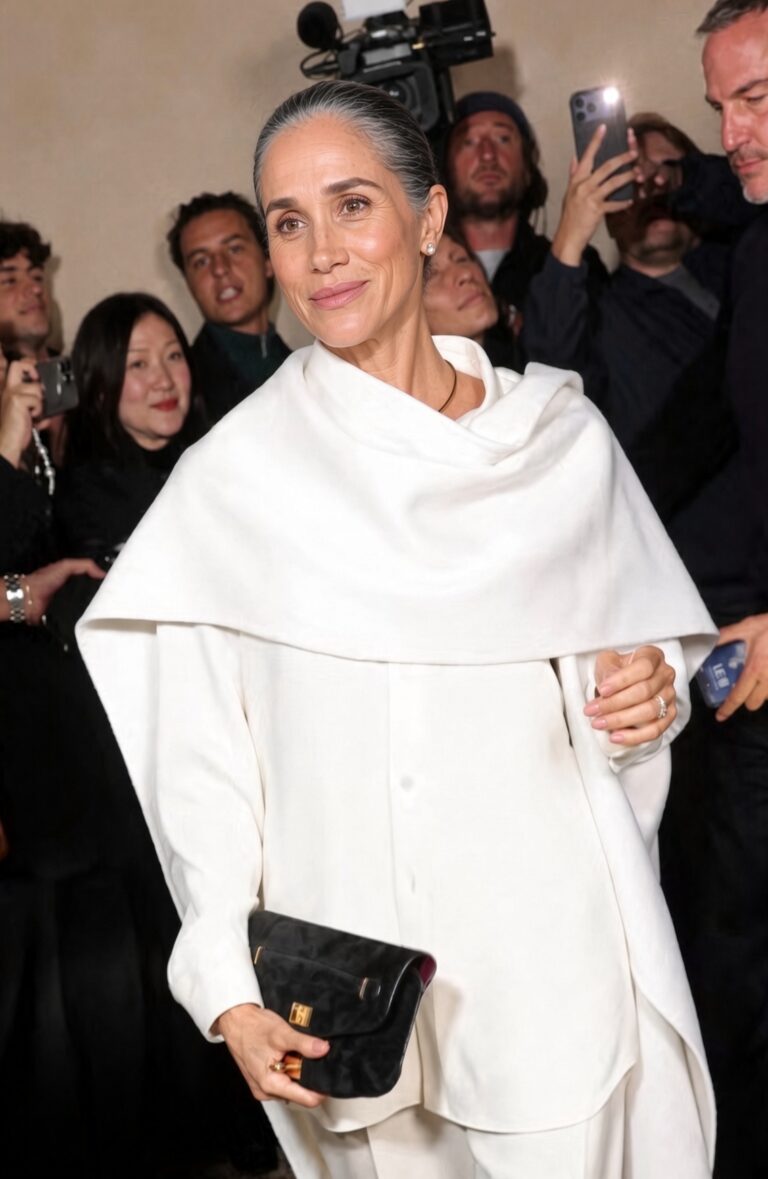
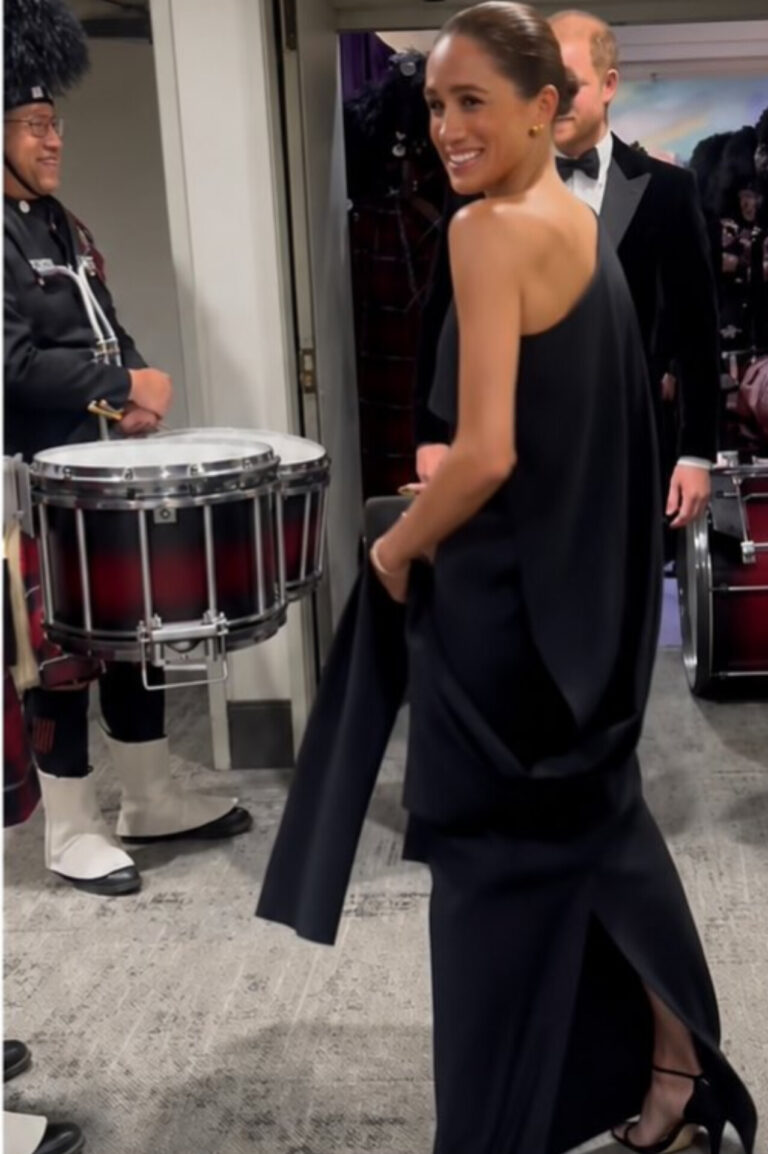
The book also revisits several public moments that, in hindsight, are being reinterpreted as signs of tension. Appearances at high-profile events, including red carpet outings, are described as strained, with subtle gestures—such as body language and visible frustration—being scrutinized more closely than ever. While such interpretations remain subjective, they contribute to a broader narrative of instability.
Who’s invited to Prince Harry and Meghan Markle’s royal wedding? – National | Globalnews.ca
Equally significant are the allegations surrounding what critics describe as “manufactured” public appearances. A visit to victims of California wildfires, for instance, is portrayed as a calculated media move rather than a purely humanitarian gesture. According to the book, the appearance was orchestrated by publicists following negative press coverage, raising uncomfortable questions about authenticity. One commentator put it bluntly: “In today’s media environment, intent matters as much as action—and people are starting to question both.”
Beyond image management, the discussion has expanded to include the couple’s financial trajectory. Their post-royal ventures, once expected to generate substantial income, are now being reassessed in light of reported setbacks. Meghan’s involvement in high-priced speaking engagements and exclusive events—such as a women’s retreat in Australia—has been interpreted by some as a sign of shifting strategy. Supporters argue this reflects independence and entrepreneurship, while critics see it as evidence of mounting pressure.
Amid all this, the question of their relationship remains central. The portrayal emerging from Bower’s work suggests a growing divergence in priorities: Harry seeking purpose through legacy and service, Meghan pursuing influence through media and business. Whether this reflects reality or selective interpretation is still up for debate, but the narrative has clearly gained traction.
What makes this moment particularly significant is the convergence of multiple pressures—media scrutiny, financial expectations, and personal dynamics—at a time when the couple is already navigating a complex public role outside the monarchy. The reaction to Bower’s book has, intentionally or not, amplified interest in those underlying tensions.
For some observers, this is less about proving any single claim and more about perception. “Public trust is fragile,” one royal commentator remarked. “Once people start questioning the story, every new detail—true or not—adds to the doubt.” That, perhaps, is the real challenge facing the Sussexes now: not just countering specific allegations, but managing a narrative that is becoming increasingly difficult to control.