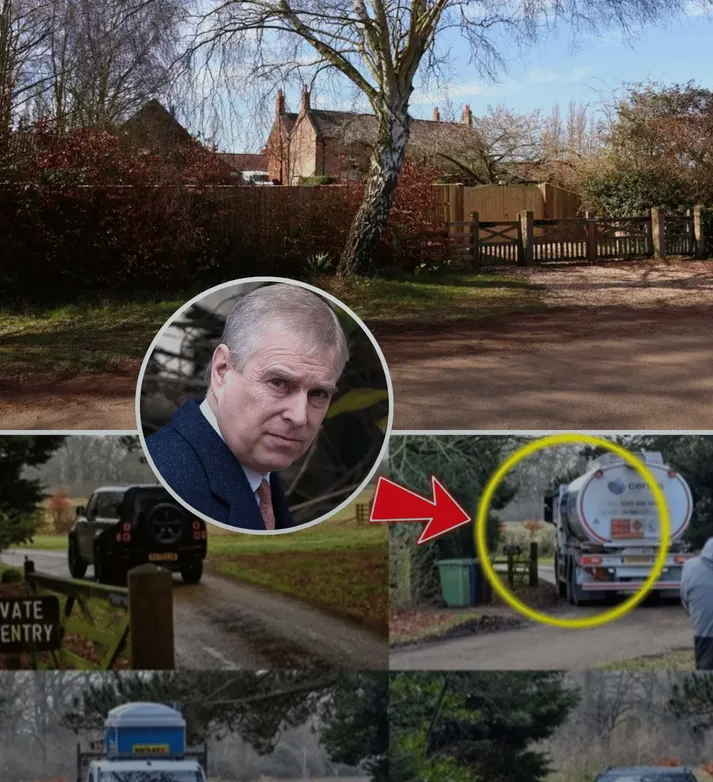
Prince Andrew’s relocation to Marsh Farm on the Sandringham estate has drawn significant media attention, particularly due to the timing of extensive agricultural activity just before his move-in. Recent reports from outlets like GB News, The Sun, and others highlight that around 20 tankers delivered and spread an estimated 150,000 gallons of liquid manure on fields directly behind the property in the days leading up to his arrival.
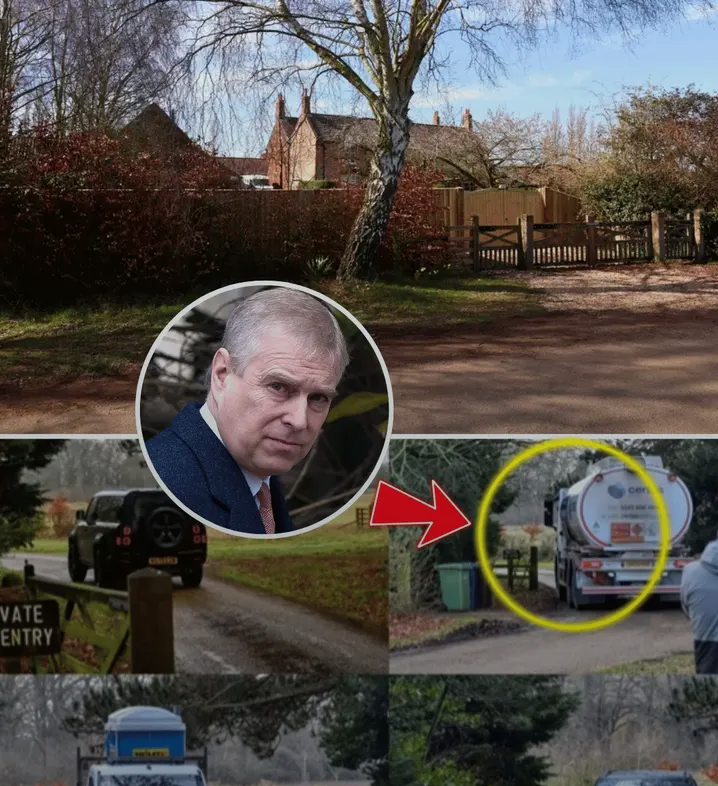
This has been framed in sensational headlines as a “horrifying” or “embarrassing” problem, with suggestions that the strong farmyard smells could make the transition uncomfortable for the former Duke of York. Some coverage even speculates on whether the timing feels like a pointed message amid his reduced circumstances.
The Context of the Manure Spreading
Andrew Mountbatten-Windsor receives humiliating welcome in new home
The activity is not targeted harassment but standard practice on the Sandringham estate. Since King Charles took over operations in 2018, the 20,000-acre property has shifted to fully organic farming. This includes maintaining a herd of about 500 cattle, whose waste is processed through anaerobic digestion into nutrient-rich liquid organic fertilizer containing nitrogen, phosphorus, and potassium. The manure is spread across fields to naturally enrich the soil, replacing chemical fertilizers.
The scale—150,000 gallons over multiple days—stands out because of the coincidence with Andrew’s move, but it’s tied to routine estate management. Earlier in 2026, planning permission was granted for a large slurry lagoon (comparable in size to three Olympic swimming pools) to support this system, located less than a mile from other royal residences like Anmer Hall.
Andrew’s Downsizing and New Reality
Removal vans arrive at Marsh Farm as Andrew to move into new Sandringham home – after huge security gates built outside
Andrew, previously residing in the expansive 30-bedroom Royal Lodge in Windsor, has relocated to the more modest five-bedroom Marsh Farm. Renovations at the property—including new security gates, interior work like carpeting and painting, landscaping, and moving in select belongings (such as art pieces, some from the Royal Collection)—have been ongoing for months, accelerating recently.
Removal vans from specialist firm Gander and White were spotted, hinting at careful transport of valuables. Reports note his reluctance to move, citing the significant downgrade in size and amenities. Staffing is limited compared to his past, and even personal items like his collection of teddy bears have been drastically reduced (from around 72 to reportedly just one making the journey).
He was previously at Wood Farm on the estate temporarily, following his departure from Royal Lodge earlier in 2026 amid ongoing personal and legal scrutiny.
Local Reactions and Broader Optics
Shamed Andrew’s Royal Lodge eviction ‘in weeks’ as pics show work on his new exile pad is in full swing
Locals in nearby areas like King’s Lynn have expressed mixed views, with some preferring distance from the situation and others voicing opinions on accountability. The move appears permanent, given the permanent upgrades and full relocation of belongings.
While the farmhouse setting might seem peaceful or even luxurious to some—surrounded by countryside and organic operations—the contrast to Andrew’s former lifestyle has fueled narratives of entitlement clashing with reality. Sources suggest he’s not adjusting easily to the isolation and changes.
The manure deliveries, while practical for the estate’s organic goals, have become the focal point in tabloid-style coverage, amplifying the “embarrassing” angle. Whether coincidental or not, it underscores the stark shift in Andrew’s position within the royal framework—far from the grandeur he once knew.