What was once expected to be a strategic return to public favor has instead unraveled into a deeply uncomfortable moment for Prince Harry and Meghan Markle. Their planned visit to Australia, which many believed would help restore their image and reconnect with a once-supportive audience, is now facing visible resistance. The shift is striking, particularly in a country where the couple had previously been welcomed with enthusiasm.
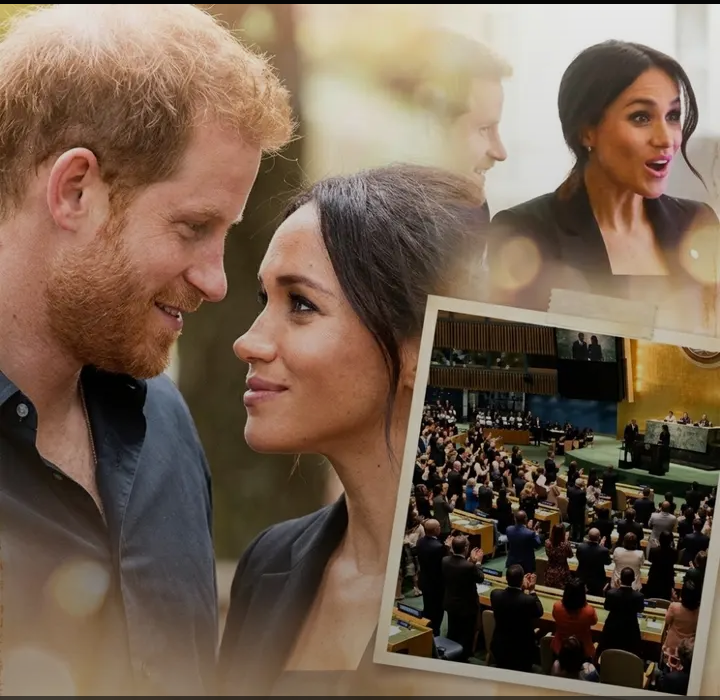
The most telling sign of this change has been the public reaction. A petition calling for the couple to fund their own visit rather than rely on taxpayer resources has gained significant traction, reflecting a broader frustration among Australians. While neither Harry nor Meghan has directly addressed the backlash, the silence itself has only fueled further speculation. For many observers, the message from the public is clear: the goodwill that once existed is no longer guaranteed.
Prince Harry & Meghan Markle’s Australia Trip 2026: What We Know
This shift did not happen overnight. Critics point to lingering memories from the couple’s earlier tour, during which Meghan was accused in some reports of being difficult with staff and dissatisfied with arrangements. Whether these claims are entirely accurate or not, they have remained part of the public narrative. As one commentator put it, “People don’t forget how they felt the first time,” suggesting that past impressions can shape future reactions more than any new effort to reset the story.
Harry and Meghan’s trip to Australia ‘one of the catalysts’ for leaving Royal Family
For Harry, the situation appears particularly difficult. Once seen as one of the most relatable and well-liked members of the royal family, he now finds himself navigating a far more complicated public image. The Australia trip may have been intended as a turning point—a chance to demonstrate continued relevance and reconnect with a familiar audience. Instead, it risks becoming a symbol of how much has changed since his departure from royal duties.
Some analysts believe that the couple underestimated how their actions in recent years would be perceived internationally. Their media projects, public statements, and ongoing tensions with the royal family have created a layered narrative that audiences are still processing. In this context, even a well-planned visit can struggle to overcome existing doubts. “Reputation isn’t something you can switch back on,” one media observer noted. “It has to be rebuilt slowly, and people have to believe in it again.”
At the center of much of the criticism is Meghan, whose role in shaping the couple’s public direction continues to be debated. Detractors argue that her influence has led to decisions that prioritize visibility and control over consistency, placing Harry in increasingly challenging positions. Supporters, however, counter that she is often unfairly singled out and that both individuals share responsibility for their choices. The truth likely lies somewhere between these perspectives, but the perception of imbalance has become a recurring theme in public discussions.
Another factor contributing to the current backlash is the perception of commercialization. Events linked to the Australia visit, including high-priced experiences and private engagements, have drawn criticism for appearing disconnected from the economic realities faced by many people. In a climate where cost-of-living concerns are prominent, such optics can quickly become a source of frustration. As one observer remarked, “Timing matters, and this just doesn’t feel like the right moment for something like this.”
Despite the mounting criticism, it is important to note that public opinion is rarely unanimous. There are still those who support Harry and Meghan and believe that they are being judged too harshly. These supporters argue that the couple is attempting to carve out a new path under intense scrutiny and that setbacks are an inevitable part of that process. However, even among neutral observers, there is a growing sense that the couple faces an uphill battle in regaining trust.
What makes this moment particularly significant is not just the backlash itself, but what it represents. Australia was once considered one of the couple’s strongest bases of support, a place where their modern approach to royal life resonated with the public. The current reaction suggests that this connection has weakened, raising questions about how their image is evolving on a global scale.
In the absence of direct communication from Harry and Meghan, the narrative continues to be shaped by external voices—commentators, analysts, and the public itself. This lack of clarity leaves room for interpretation, allowing both criticism and speculation to grow. For Harry, who once relied on a clear and consistent public role, this ambiguity may be one of the most challenging aspects of the situation.
As the story continues to unfold, the future of the Australia trip remains uncertain. What was intended as a moment of renewal now stands as a test of resilience and adaptability. Whether the couple can navigate this backlash and rebuild their standing will depend not only on their next moves, but also on their ability to reconnect with an audience that is no longer as easily convinced as it once was.