Prince Harry has once again stepped into the global spotlight, sparking fresh debate about his role, identity, and connection to the British royal family. In a bold statement, he insisted, “I am still a part of the British royal family,” pushing back against critics who argue that he has crossed a line by continuing to engage in high-profile international visits that resemble official royal duties.
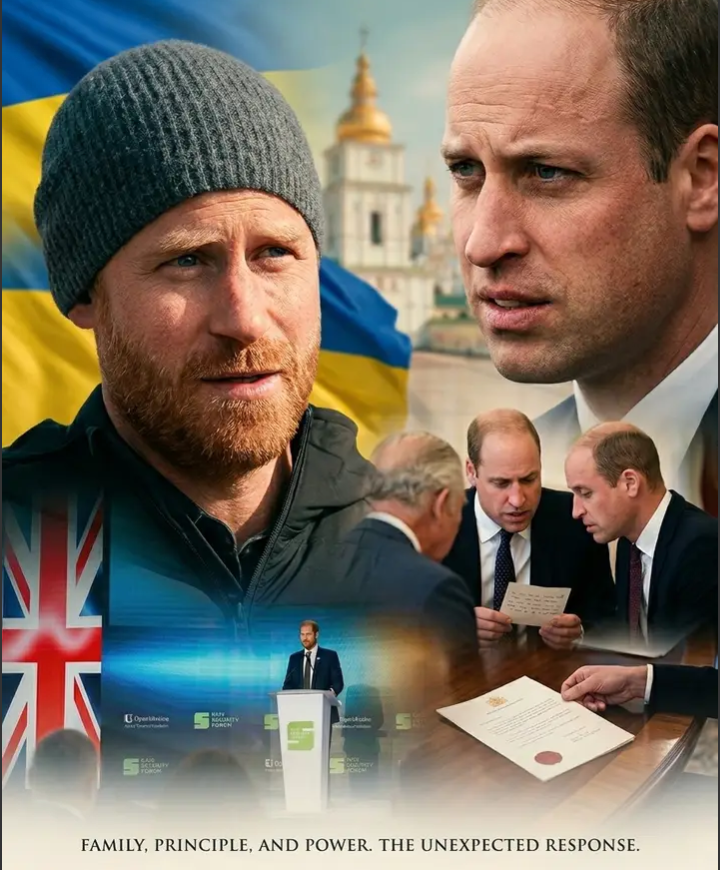
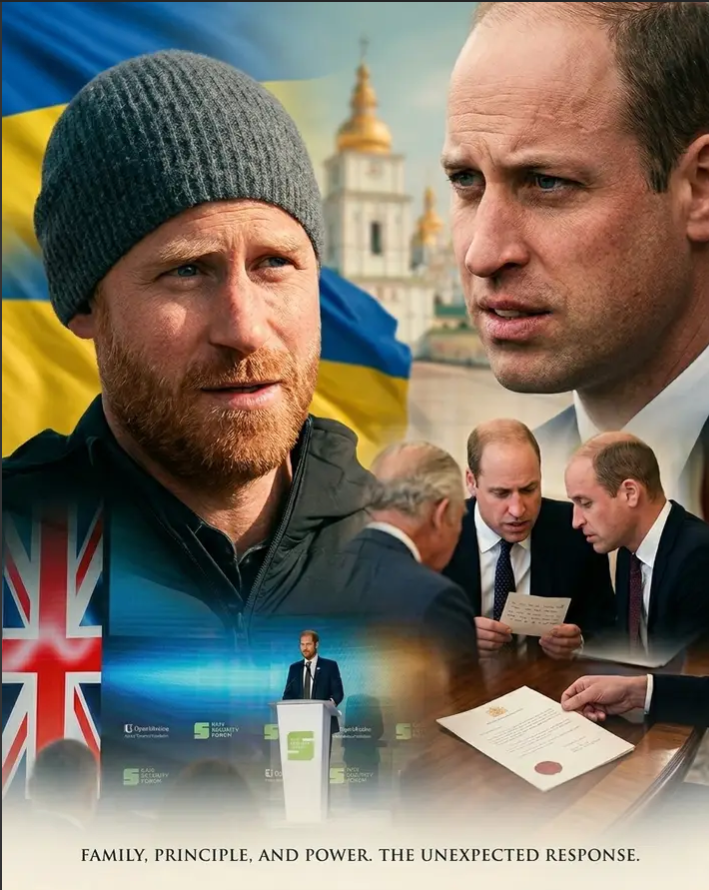
The controversy intensified following his recent trip to Ukraine, where his public remarks were seen by some as political in tone. Critics quickly questioned whether Harry, who stepped back from royal responsibilities years ago, should still be representing himself in a manner that appears closely tied to the monarchy. Supporters, however, argue that his actions reflect a personal commitment to global issues rather than a formal royal agenda.
At the center of this unfolding tension is Prince William, who is said to be considering a more streamlined vision of the monarchy. Reports suggest that he may aim to reduce the number of active or semi-associated members, especially in light of recent controversies that have challenged the royal family’s public image. In this context, Harry’s continued presence on the international stage is viewed by some insiders as complicated and potentially disruptive.
Harry’s statement can be interpreted as more than just a defense—it is a declaration of identity. Even after stepping away from official duties, he remains a son of the monarchy, shaped by its traditions and expectations. For him, the connection may be permanent, regardless of titles or roles. This perspective, however, does not fully align with how the institution itself is evolving.
The Palace’s response has added another layer of intrigue. Rather than engaging in a direct public dispute, the reaction has reportedly been measured but firm. Sources suggest that the Palace emphasized the distinction between private individuals and working royals, subtly reinforcing that official representation of the monarchy remains tightly controlled. This approach avoids open conflict while still drawing clear boundaries.
Observers note that this situation reflects a deeper shift within the royal family. The balance between tradition and modern independence is becoming harder to manage, especially when former members continue to carry global influence. Harry’s actions highlight how difficult it is to fully separate personal identity from royal legacy.
Public reaction remains divided. Some see Harry as someone using his platform for meaningful causes, while others believe he is blurring lines that should remain clear. The debate is not just about protocol, but about what it means to belong to an institution that is both deeply historical and constantly adapting.
As tensions quietly build, the relationship between Prince Harry and the Palace continues to evolve in uncertain ways. His voice remains powerful, his connection undeniable, and his choices closely watched. Whether this moment leads to further distance or a new understanding, it is clear that the story is far from over.