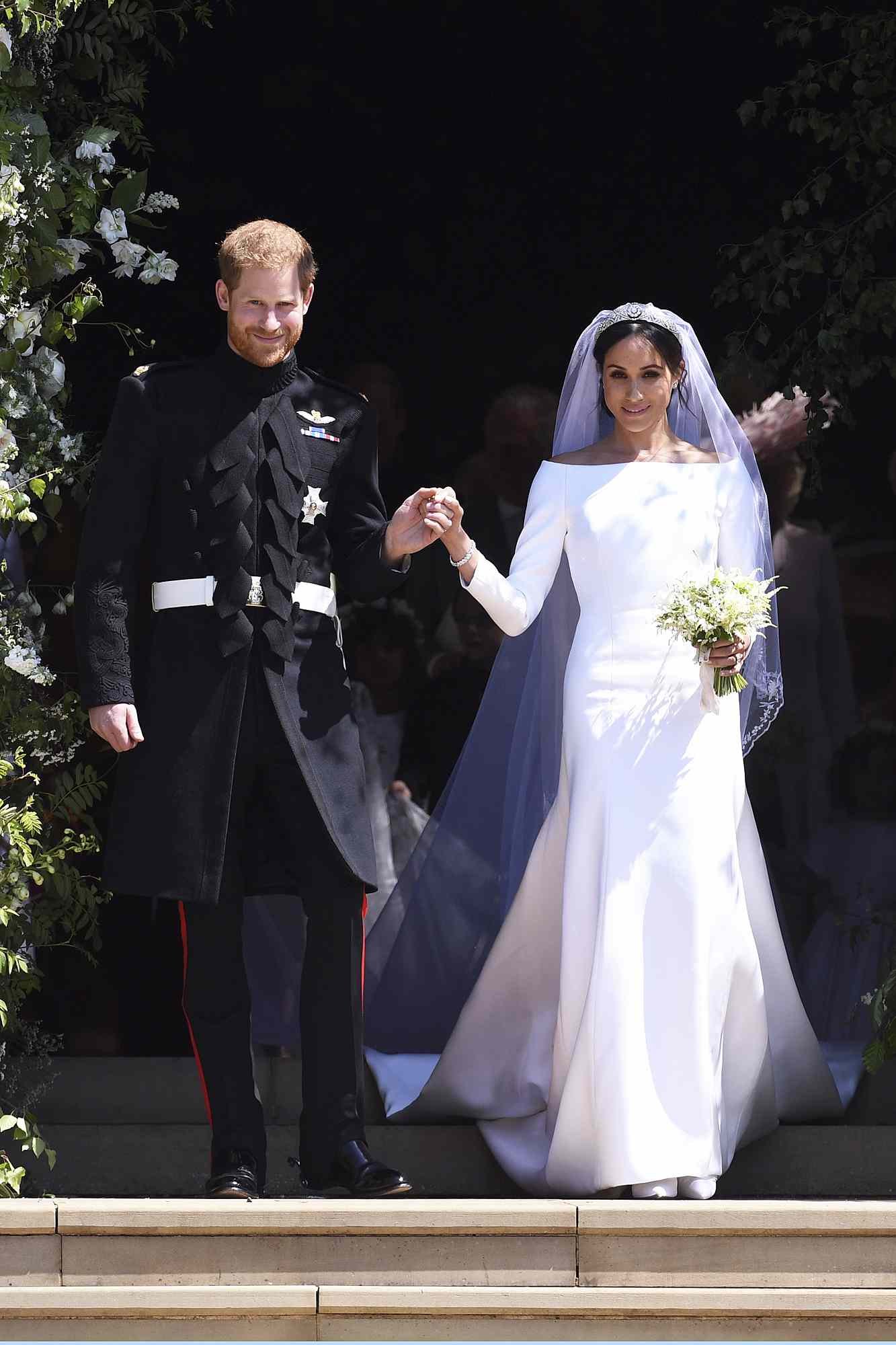
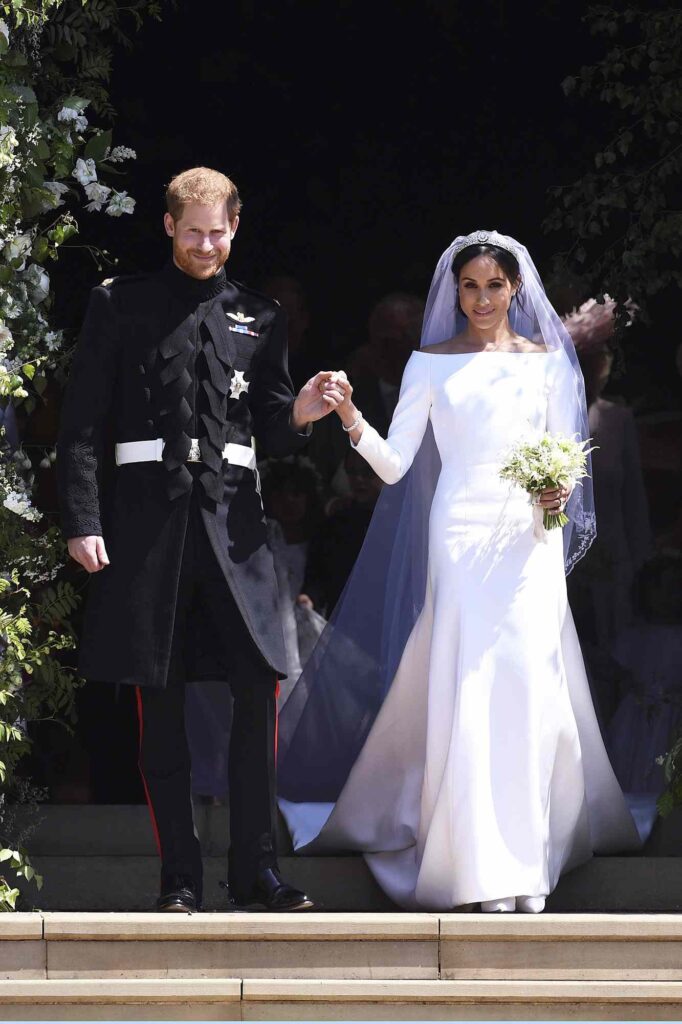
They stood there on the steps of St George’s Chapel, beaming under the spring sunshine, hands clasped like the ultimate modern royal romance. Prince Harry in his dashing black military uniform, Meghan Markle glowing in that sleek white Givenchy gown, veil fluttering in the breeze as she clutched her delicate bouquet. The image was picture-perfect – the kind of fairy-tale moment Britain was supposed to celebrate for generations.
But scratch the surface of that £32 million taxpayer-funded spectacle from May 19, 2018, and what emerges is a jaw-dropping tale of entitlement, snobbery, and breathtaking double standards that has only grown more infuriating with time. Seven years on, as the Duke and Duchess of Sussex continue their endless media tour of grievances – Netflix documentaries, tell-all books, bombshell interviews, and now fresh podcasts – ordinary Brits are asking one simple question: How dare you?
When the UK public picked up the tab for one of the most expensive royal weddings in modern history – with security costs alone soaring into the tens of millions amid unprecedented global attention – Meghan Markle allegedly treated the guest list like her personal LinkedIn profile. Insiders close to the palace have long whispered about the brutal cull that took place behind the scenes. Harry’s old Eton mates, military comrades from his days in Afghanistan, and lifelong friends from the polo circuit? Unceremoniously uninvited or quietly dropped to make room for the A-list glitterati Meghan reportedly hand-picked.
Gone were some of the very people who had stood by Harry through his wildest years, his grief after losing his mother, and the pressures of royal life. In their place? A star-studded roster straight out of Hollywood’s power directory: Oprah Winfrey, George and Amal Clooney, the Beckhams, Idris Elba, and a parade of other celebrities who brought the flashbulbs and the networking opportunities. It wasn’t just a wedding – it was a meticulously orchestrated career launch party disguised as “happily ever after.”
One former palace aide, speaking on condition of anonymity even now, recalls the tense weeks leading up to the big day: “The guest list became a battlefield. Harry’s friends from the army and university circles were suddenly ‘not fitting the vision.’ Meanwhile, every Hollywood contact Meghan had cultivated during her Suits days was fast-tracked in. It felt less like a royal occasion and more like a red-carpet networking mixer with a £32 million security bill footed by the British taxpayer.”
The numbers don’t lie. Official estimates pegged the total cost at around £32 million, the bulk of it swallowed by policing, crowd control, and anti-terror measures for the thousands who lined the streets of Windsor. The couple’s own contributions covered personal elements like the dress and flowers – but the public paid for the pomp, the protection, and the platform that catapulted them onto the world stage. And what did they do with that platform? Within two years they were gone – stepping back as senior royals, jetting off to California, and launching brand after brand while publicly trashing the very institution that had bankrolled their big day.
Fast-forward to 2025 and 2026, and the whining shows no signs of stopping. In their Netflix series Harry & Meghan, the couple painted themselves as victims of a cold, racist monarchy that left Meghan “suicidal” and isolated. Harry’s memoir Spare doubled down, with explosive claims about family rifts that seemed timed to coincide with maximum publicity. Podcasts, speeches, and high-profile appearances have followed – each one circling back to the same narrative: they were treated unfairly, the press was vicious, the royals were complicit.
Yet conveniently omitted from every sob story is the small matter of that wedding. The one where, according to multiple reports at the time, Meghan’s team pushed hard for a more “modern” guest list heavy on influencers and celebrities. The one where some of Harry’s closest friends reportedly received last-minute disinvites or simply never made the final cut, leaving them stunned and hurt. One military pal later told friends he felt “ghosted by the people he once called brothers.”
It’s the ultimate irony. The couple who now lecture the world about authenticity, mental health, and “living in truth” allegedly turned their taxpayer-subsidized nuptials into a calculated power play. Sources say Meghan viewed the day as her big break – a chance to align with global influencers who could open doors in Los Angeles. Mission accomplished: post-wedding, the Sussexes signed mega-deals with Spotify and Netflix, launched Archewell, and built a multimillion-dollar empire in Montecito. All while the British public – the same ones who cheered them in 2018 – were left footing security bills for years afterward and watching the couple monetize their royal exit.
Public reaction has been swift and savage on social media. “They took our money for the wedding, ditched Harry’s real friends for celebs, then spent seven years complaining about how hard royal life was,” one viral X post read. “The entitlement is off the charts.” Even some longtime royal watchers who once defended the couple now admit the optics are damning. “It was supposed to be about love and service,” said royal commentator Emily Andrews. “Instead, it felt like a stepping stone – and the stepping stone was paid for by you and me.”
Photographs from the day capture the contrast perfectly: Harry looking genuinely joyful beside his bride, surrounded by the pomp of Windsor Castle. Yet behind the smiles, the guest list drama was already brewing. Reports emerged of frantic last-minute changes, with certain friends of Harry’s mysteriously absent from the 600-strong congregation. Meanwhile, the front rows sparkled with Oscar winners and pop stars – perfect for the post-wedding Instagram narrative that would soon dominate their brand.
Seven years later, the Sussexes show no signs of slowing their victimhood tour. Recent appearances have revisited the wedding itself, with Meghan describing it as “surreal” and “overwhelming” – words that ring hollow to taxpayers who remember the cost. Harry, in interviews, has hinted at feeling “trapped” even on his own wedding day, conveniently ignoring how the event’s scale (and price tag) was inflated by the very celebrity guest list his wife championed.
The assertion from frustrated Britons couldn’t be clearer: When the public pays for your multi-million-pound dream wedding, you don’t get to uninvite your husband’s lifelong friends, turn the ceremony into a Hollywood networking schmooze-fest, and then spend the next seven years playing the persecuted outsiders. You especially don’t get to do it while raking in tens of millions from the fame that wedding delivered on a silver platter.
As Britain braces for yet another round of Sussex media domination, the photo of that sunlit wedding day keeps resurfacing – a reminder not of fairy-tale romance, but of a transaction gone sour. The taxpayers who funded it deserve better than endless complaints from the couple who benefited most.
What do you think – was the 2018 wedding the ultimate bait-and-switch? Drop your thoughts below. The royal saga is far from over… and the receipts are still adding up.