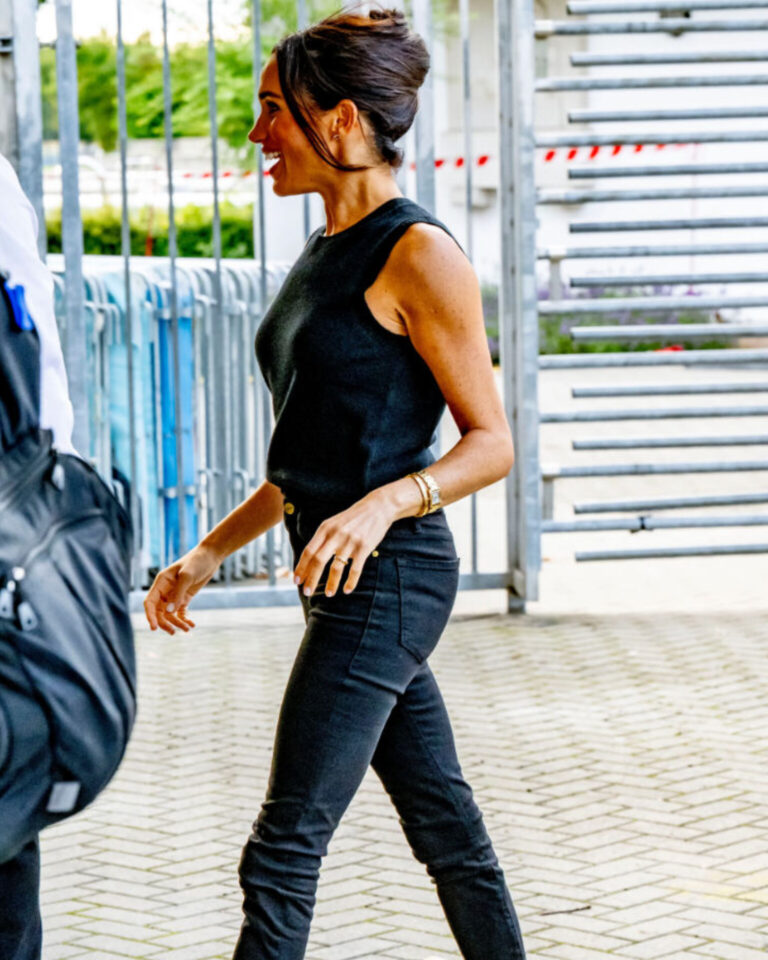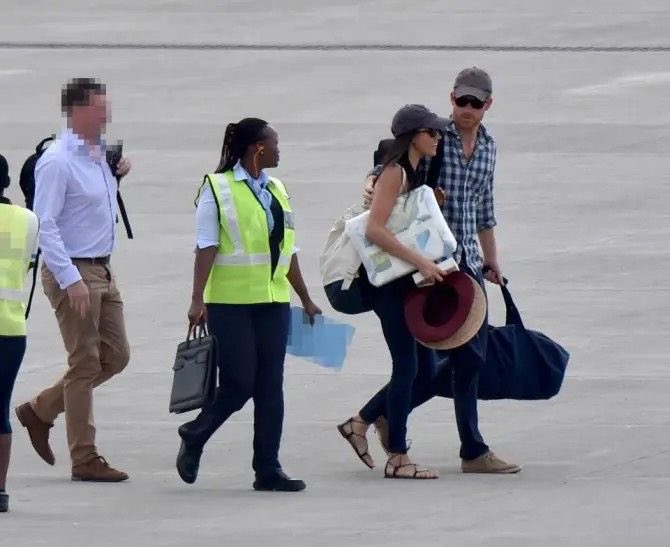
In a startling new interview, Meghan Markle has once again opened up about the “sacrifices” of her royal-adjacent life, revealing that if granted total anonymity for just one month, the thing she would do every single day is… go grocery shopping.
The Duchess of Sussex’s confession has sparked a firestorm online, with critics immediately questioning the narrative. If everyday activities like pushing a cart through Whole Foods are now luxuries denied to her, who exactly is standing in her way? And more importantly — where is the frenzied public adoration she claims makes normal life impossible?
The Growing Gap Between Meghan’s Security Drama and Real-World Interest
For years, Meghan and Prince Harry have painted a picture of a life under constant siege. Court battles over security, multi-million dollar protection details, and repeated public complaints about safety have dominated their post-royal narrative. But mounting evidence suggests the threat level may not match the drama.
Recent appearances tell a different story. During a low-key roadside stop in Geneva, the couple drew minimal visible excitement from passersby. Their visits to Australia generated polite interest at best, with many locals and commentators openly questioning the level of genuine enthusiasm. Even Prince Harry’s solo trip to Ukraine failed to generate the wall-to-wall hysteria the Sussexes often imply follows them everywhere.
So what exactly justifies the heavy security apparatus that continues to follow Meghan?
Observers were left raising eyebrows after footage emerged of the Duchess arriving at a Balenciaga fashion show surrounded by multiple security escorts — a level of protection that stood out even in a room packed with A-list celebrities who boast significantly larger global profiles and followings. In an era where true superstars often move with lighter entourages, the optics raised uncomfortable questions: Is this protection truly necessary, or has security become a carefully cultivated part of the Sussex brand?
When Security Becomes a Prop
Heavy security creates an immediate visual impact. People notice. Cameras roll. Speculation follows. The mere presence of stern-looking bodyguards in suits can transform a routine appearance into something that looks important — even when public interest remains lukewarm.
Critics argue this has become less about legitimate safety concerns and more about maintaining an aura of relevance. Millions of dollars spent. Years of legal fights. Endless media cycles about danger. All while evidence of overwhelming public demand remains elusive.
One viral social media post captured the growing sentiment perfectly: “Meghan says she’s too important to grocery shop… but too irrelevant to draw a crowd.”
The uncomfortable reality for the Sussexes is that in today’s attention economy, some social media influencers and fresh celebrity faces consistently pull stronger, more organic public reactions than the couple does on their carefully choreographed outings. This isn’t personal — it’s observable data reflected in crowd sizes, engagement metrics, and spontaneous public interest.
The Performance of Importance
At its core, the controversy touches on a deeper truth about modern fame. Those who are undeniably important rarely need to expend this much energy proving it. World leaders, groundbreaking scientists, and cultural icons who shape history don’t typically require years-long campaigns to convince the public of their significance.
Instead, Meghan’s narrative often centers on the performance of importance: the security details, the dramatic complaints about privacy, the luxury brand partnerships, and the selective victimhood. When that performance overshadows actual public connection, it risks crossing into self-parody.
Many royal watchers and cultural commentators now suggest a simpler solution: perhaps less obsession with appearing untouchable and more genuine grounding in everyday life. If grocery shopping is truly missed that much, nothing is physically stopping her from slipping on a baseball cap and hitting the local supermarket — especially in a place like Montecito where celebrity sightings are relatively normalized.
The irony is palpable. The same woman who says she craves anonymity seems equally invested in maintaining the visual trappings of extreme fame. The heavy security walks. The curated complaints. The implication that the world is constantly watching her every move.
A Brand at a Crossroads
As public fatigue with the Sussex drama continues to build, the couple faces a difficult choice. They can continue leaning into the narrative of persecuted importance, complete with expensive security theater. Or they can recalibrate — dialing down the spectacle and focusing on substance over optics.
Because when the effort to appear important becomes more visible than any actual importance itself, it doesn’t elevate the brand. It embarrasses it.
The grocery shopping fantasy may have been intended to humanize Meghan Markle. Instead, it highlighted the growing disconnect between the life she claims to live and the reality the public observes. In 2026, being “too famous” for normal activities only works if the fame still commands genuine attention.
Right now, the crowds — or lack thereof — are telling a story the Sussex communication team would rather not hear.