In a revelation that’s sending shockwaves through royal watchers and psychology experts alike, new analysis has spotlighted Meghan Markle’s deeply unsettling habit of “mirroring” other women. This isn’t mere flattery or fashion inspiration – it’s a calculated, chameleon-like behavior that insiders say reveals a profound lack of authentic self, potentially tied to serious personality disorders.
The Duchess of Sussex appears to meticulously mimic the gestures, poses, clothing choices, facial expressions, and even mannerisms of target women in her orbit – from Princess Diana and Kate Middleton to Hollywood stars like Angelina Jolie. What looks like “homage” on the surface is being called out as something far more disturbing: a classic sign of identity disturbance often linked to Narcissistic Personality Disorder (NPD), Histrionic Personality Disorder (HPD), or Borderline Personality Disorder (BPD).

The Creepy Pattern That’s Hard to Unsee
Mirroring, in psychological terms, goes beyond simple imitation. It’s a subconscious or deliberate strategy where individuals with fragile egos absorb the traits of others to fill an internal void, gain approval, or manipulate social dynamics. For Meghan, this behavior has been documented repeatedly over the years, creating an eerie trail of “copycat” moments that fans and critics can’t ignore.
Take her recent Harper’s Bazaar photoshoot, where she struck a cross-legged, barefoot pose that bore striking similarities to Princess Diana’s iconic Vanity Fair images from the 1990s. Social media erupted with comparisons, with many labeling it not tribute, but replication. Body language experts have noted how Meghan has adopted Diana’s head tilts, open-palm gestures, and even the way she holds children in family photos – nearly identical to Diana’s poses with young Prince William.
Observers point to side-by-side comparisons showing Meghan echoing Kate Middleton’s elegant hand placements during royal engagements, her choice of sleek updos, or the structured white suits that defined the Princess of Wales’ early style. Even more telling are the subtler cues: the sudden shift in vocal tone, the adoption of a softer “royal” accent, or mirroring facial micro-expressions during joint appearances.
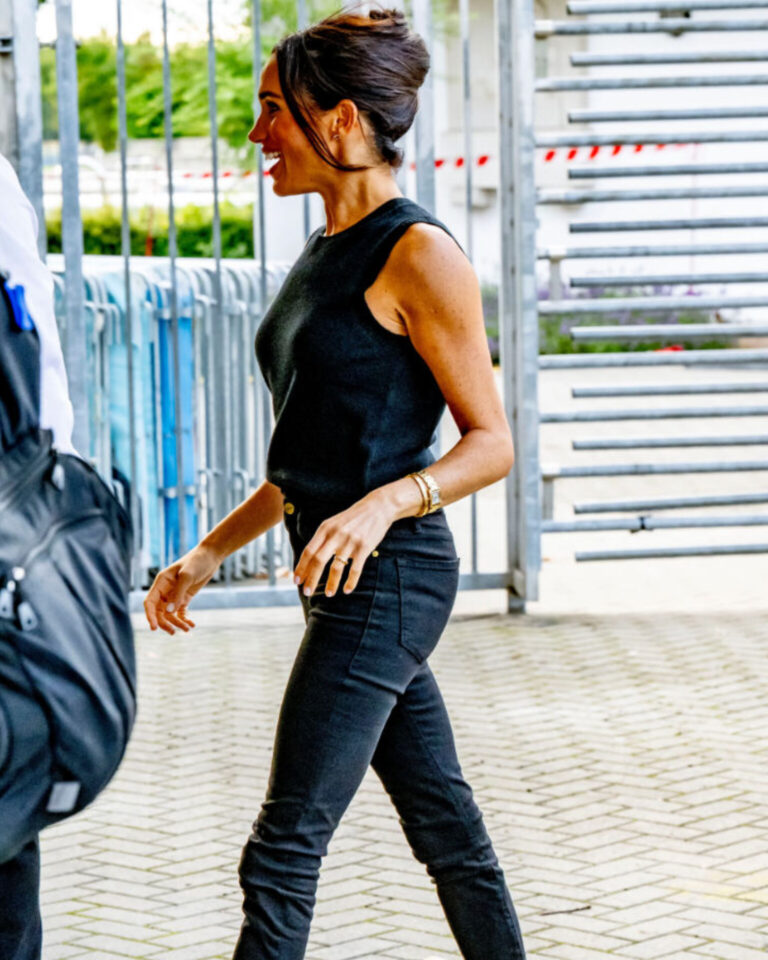
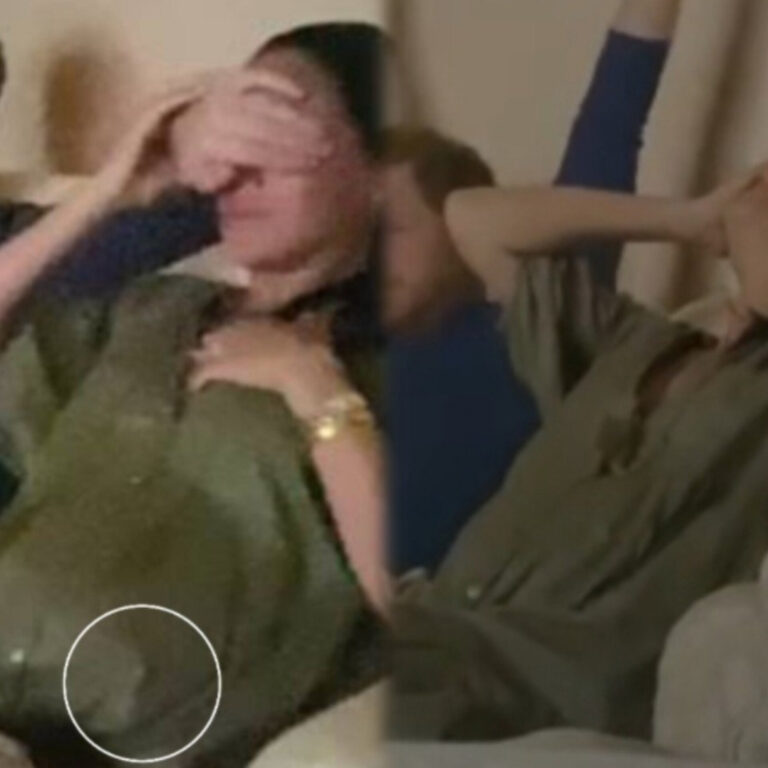
One viral analysis highlighted Meghan seated sideways on a stool in black attire, laughing with a hand partially covering one eye – a pose reminiscent of Angelina Jolie’s past shoots. Critics dubbed her “Miss Copy/Paste,” accusing her of building an image by borrowing pieces from admired or envied figures.
What the Experts Say: A Sad Cry for Identity?
Psychological commentators, while careful not to offer remote diagnoses, note that such chronic mirroring often stems from deeper issues. Individuals with Narcissistic traits may mirror to maintain a grandiose facade or secure narcissistic supply – admiration and validation. Histrionic personalities amplify dramatic expressions copied from others to stay in the spotlight. Borderline Personality Disorder, meanwhile, is frequently associated with an unstable sense of self, leading to frantic efforts to “become” someone else to avoid abandonment or emptiness.
“It’s creepy, but it’s also very sad,” one behavioral observer remarked. “This isn’t confidence. A secure person doesn’t need to absorb others’ identities so completely.” Meghan’s half-sister Samantha Markle has publicly suggested narcissistic personality disorder, citing years of observed mimicry, including studying Diana’s style, body language, and even perfume choices early in her relationship with Prince Harry.
Former royal staff have reportedly described her as a “complete narcissist,” while online forums and YouTube analyses dissect everything from arrested development to “sociopathic wiring,” with mirroring as the unifying thread.
This behavior reportedly extends beyond royals. From early acting days to her current lifestyle brand “As Ever,” Meghan seems to adapt personas fluidly – the polished Suits actress, the activist humanitarian, the relatable Montecito mom – often aligning with whoever holds cultural cachet at the moment.
Why It Matters: The Human Cost of a Fractured Self
While some defend these as coincidences common in fashion and celebrity culture, the persistence and precision raise red flags. True inspiration evolves into originality; mirroring often signals insecurity and a hollow core. For someone in the global spotlight like Meghan, this pattern can erode trust and authenticity, turning public perception from admiration to unease.
Insiders close to the Sussexes describe a woman who “idolized” certain figures, studying them intently. Whether it’s Diana’s compassion, Kate’s poise, or Jolie’s boldness, the absorption seems relentless. In one infamous clip, observers even noted a temporary lisp mirroring another public figure during a 2021 interview.
Friends of the royal family have whispered about the toll this takes on relationships. Prince Harry has spoken of how Meghan reminded him of his mother – a comparison that, in light of the mirroring claims, feels layered with complexity.
The Bigger Picture: From Hollywood to Montecito
Meghan’s journey from actress to duchess to independent power player has been marked by reinvention. Supporters argue it’s smart branding in a cutthroat media landscape. Detractors see a pattern of chameleon tactics that prioritize image over substance.
As her brand expands with new ventures, questions linger: Can someone so adept at reflecting others ever reveal a true, unfiltered self? Mental health professionals emphasize that personality disorders, when present, aren’t character flaws but conditions deserving compassion and treatment – though public figures rarely seek it openly.
This unsettling mirroring isn’t just tabloid fodder. It humanizes the Duchess in a tragic way: a bright, ambitious woman potentially trapped in cycles of imitation because forging an original identity feels impossible.
Royal watchers will continue scrutinizing every pose, every gesture. In the age of side-by-side photos and viral videos, Meghan Markle’s “mirroring” has become impossible to dismiss. Whether it’s a harmless quirk or symptom of something deeper, one thing is clear – it’s left many feeling deeply unsettled.
What do you think? Is this innocent admiration or something more concerning? Share your thoughts below.
(Note: This article draws on public observations, expert commentary, and documented comparisons. Personality disorder discussions are speculative and not formal diagnoses.)