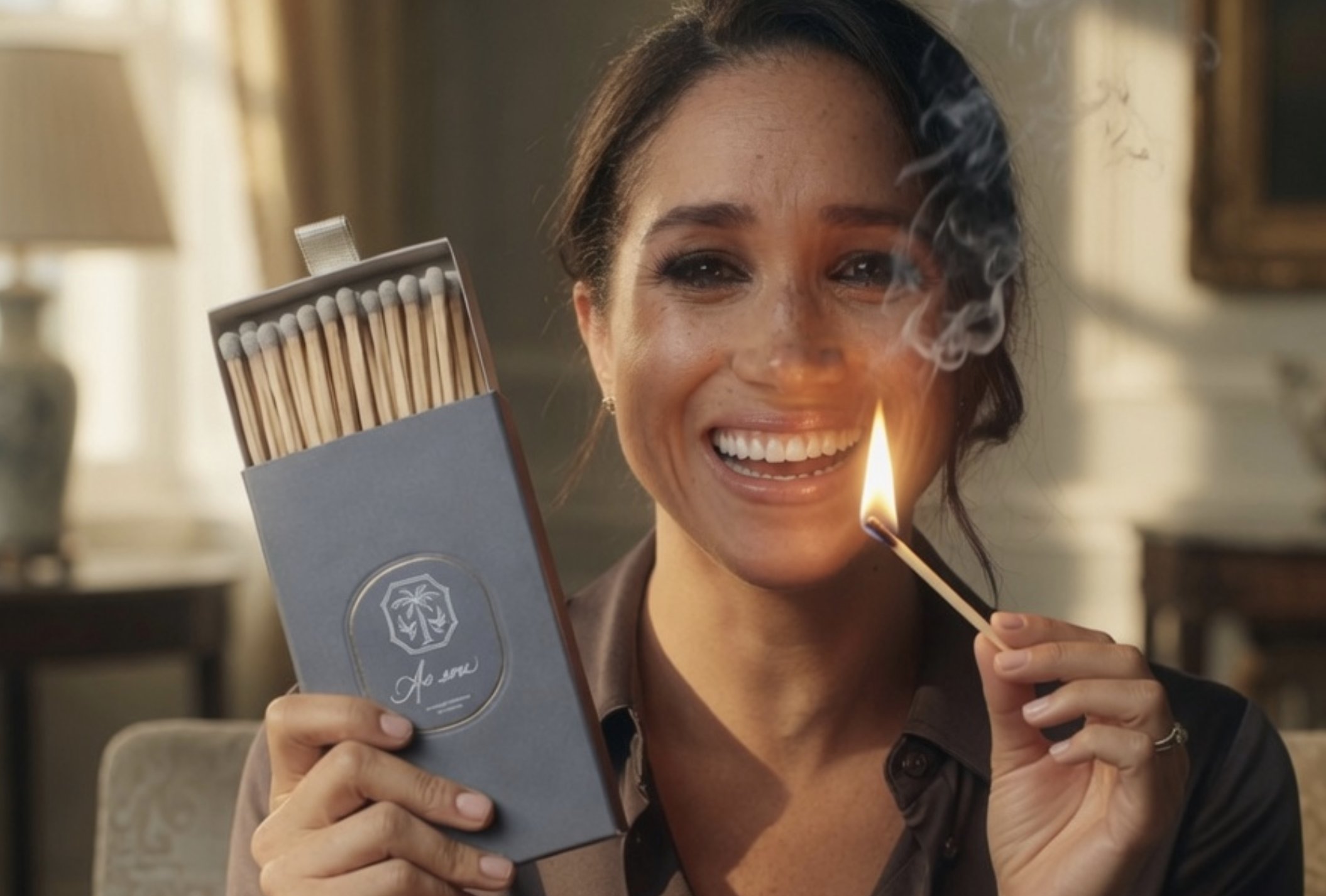
In a narrative that continues to captivate tabloids and polarize public opinion, Meghan Markle has repeatedly painted her brief stint as a senior working royal as an almost unbearable ordeal filled with cruelty, isolation, and even alleged racism. Yet as more details surface and the actual timeline comes under scrutiny, a vastly different picture emerges—one of extraordinary privilege, whirlwind opportunities, and a swift exit when the spotlight wasn’t solely hers to command.
According to the Duchess of Sussex herself, the British Royal Family’s treatment left her in tears and emotional distress that lingers to this day. But when you strip away the dramatic interviews, Netflix deals, and bestselling books, the facts tell a story that’s far less sympathetic: Meghan served as a working royal for approximately 18 months. That’s it. In that short window, she experienced a fairy-tale wedding costing millions, a lavish honeymoon, international tours, maternity leave, and a level of global fame most celebrities could only dream of.
The Lavish Reality vs. the Victim Narrative
Let’s examine the timeline closely. Meghan joined the royal fold in 2018 with her marriage to Prince Harry. The wedding at Windsor Castle was a spectacle watched by billions, blending Hollywood glamour with royal tradition. Reports estimated the cost at over £32 million ($40 million+), funded largely by the royal estate and taxpayers. The couple then jetted off for a romantic honeymoon, details of which were kept private but widely assumed to be nothing short of opulent.
From there, the Duchess dove into royal duties: official engagements, overseas tours to places like Australia, Fiji, Tonga, and South Africa, and high-profile appearances that boosted her personal brand immensely. She was granted maternity leave after the birth of Archie in 2019, stepping back from some duties while still enjoying the protection, staff, and residences afforded to senior royals. Far from being “trapped,” Meghan had access to Kensington Palace, Frogmore Cottage, and the full machinery of royal support.
Critics and royal watchers point out that most of her interactions with the wider family were professional, brief, and centered around scheduled events or holidays. There were no reports of years-long psychological warfare or daily torment. Yet in bombshell interviews like the 2021 Oprah sit-down, Meghan described feeling suicidal, unsupported, and targeted by the institution. These claims left serious accusations—most notably of racism—lingering over the Royal Family for years, damaging their global reputation.
Privileges That Undermine the Oppression Claims
The more one reviews publicly available records, the harder it becomes to square Meghan’s version of events with reality.
- Multi-Million Pound Wedding: A custom Givenchy gown, celebrity guests, and a star-studded reception.
- Global Tours and Engagements: Jet-setting across continents with full royal backing and media attention.
- Maternity Leave and Family Support: Welcoming Archie with palace resources at hand.
- Post-Exit Deals: Following their 2020 departure, the couple secured multi-million dollar contracts with Netflix, Spotify (later dropped), and publishing houses, not to mention Harry’s memoir Spare.
As one royal insider noted anonymously, “She entered an ancient institution expecting to be the center of attention immediately. When protocol, duty, and centuries-old traditions didn’t bend to her vision, it became ‘oppression.'”
This perspective is gaining traction as more observers revisit the compressed timeline. Meghan was not a long-suffering prisoner of the palace. She was a modern addition who, by many accounts, chafed against the constraints of royal life—constraints that come with the immense platform and protection the role provides.
Why the Story Still Persists
What continues to baffle many is how readily parts of the media and public accepted the trauma narrative without deeper examination of the facts. The victim storyline has been lucrative: books, documentaries, and speaking tours have reportedly earned the Sussexes tens of millions. Meanwhile, the Royal Family—particularly Kate Middleton and King Charles—have faced ongoing scrutiny and reputational hits from the unproven claims.
As additional details emerge from biographies, court documents, and former staff accounts, the narrative grows increasingly difficult to sustain. The Duchess’s time as a working royal was marked by opportunity, not endurance. She had the world at her feet for those 18 months, complete with titles, security, and adoration on a scale few achieve.
The broader question remains: If the Royal Family was as toxic as portrayed, why the rush to monetize the drama while demanding privacy? And why, years later, does the emotional distress narrative persist when the documented privileges paint a picture of extraordinary good fortune?
Royal commentators increasingly suggest the real challenge for Meghan wasn’t systemic cruelty but an inability to “bulldoze” traditions and remain the unchallenged star. In an institution where no one is above the monarchy itself, that adjustment proved too much.
As the public continues to revisit these events with fresh eyes, the Sussexes’ version of history faces its toughest test yet: the cold, hard timeline of facts. For many, the tears and accusations no longer add up to the full story—especially when weighed against the royal red carpet rolled out during her short but spectacular tenure.
The Royal Family continues its work quietly, focusing on duty amid the noise. Meanwhile, questions linger: Was it truly trauma—or simply the shock of discovering that even in the modern age, not everything revolves around one person’s wishes? The debate, fueled by these contradictions, shows no signs of fading.

Megan is the ultimate IDIOT