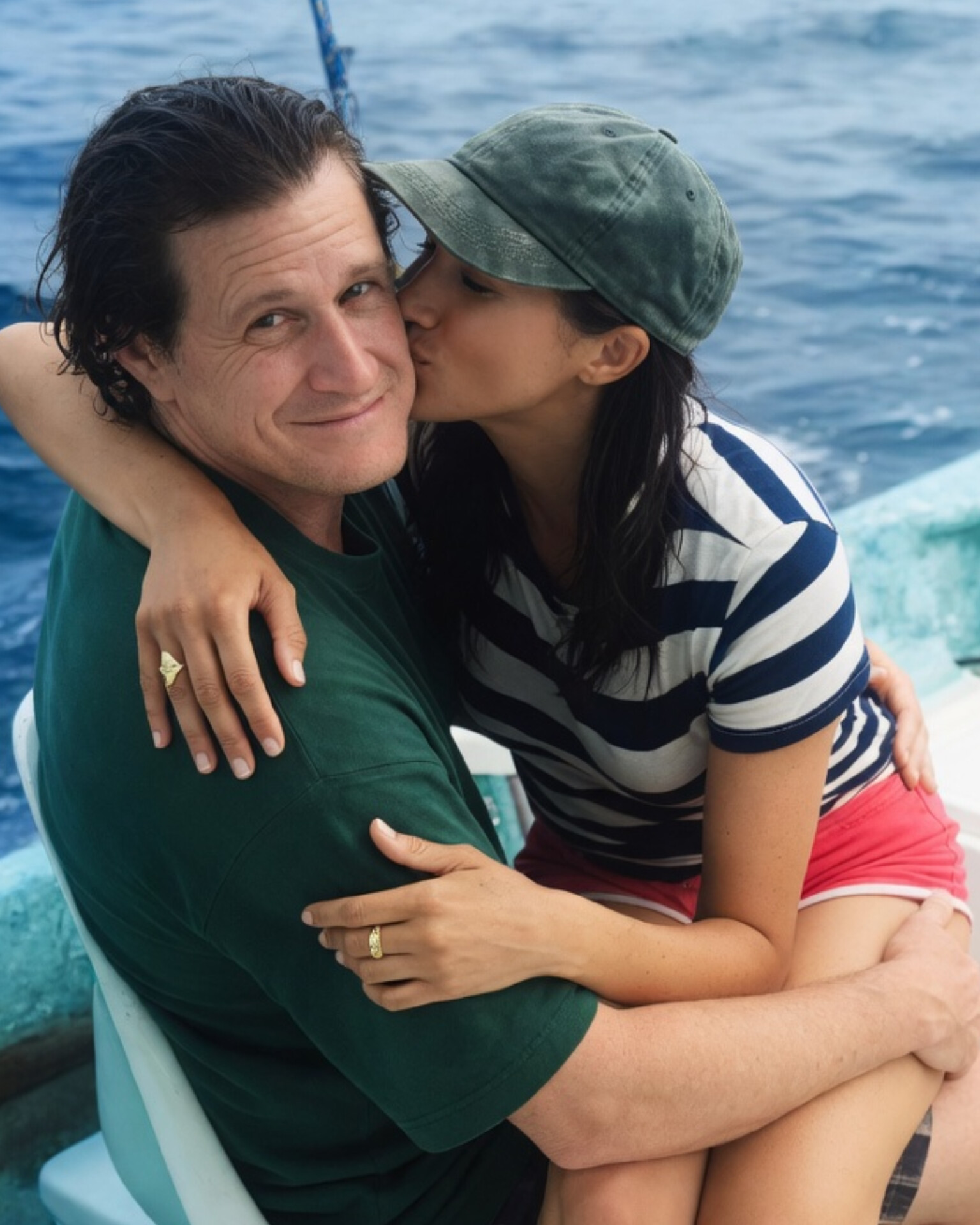
Viral images and her own romantic history now have the internet asking the one question the Sussex camp can’t spin away: Was it ever about love, or was it always about the crown, the platform, and the global spotlight?
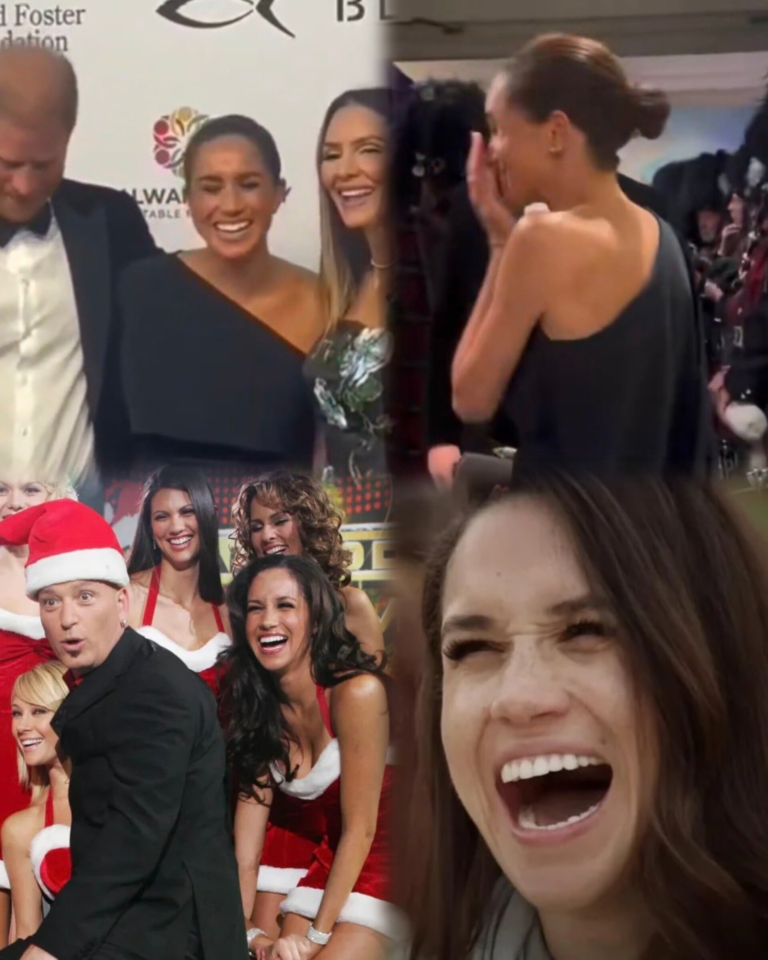
A set of three photographs exploding across social media today has detonated a fresh firestorm around the Duke and Duchess of Sussex. The pictures, shared in a brutally direct post, lay out the evidence in black and white — or rather, in sun-drenched boat shots, tight embraces, and cheek kisses. The question they force into the open is simple and devastating: Would Meghan Markle have given Harry the time of day, let alone her hand in marriage, if he had been plain old “retired military Harry” or “working at the family business Harry” instead of HRH Prince Henry of Wales?
The answer, according to the photos and the brutal logic of her dating record, appears to be a resounding no.
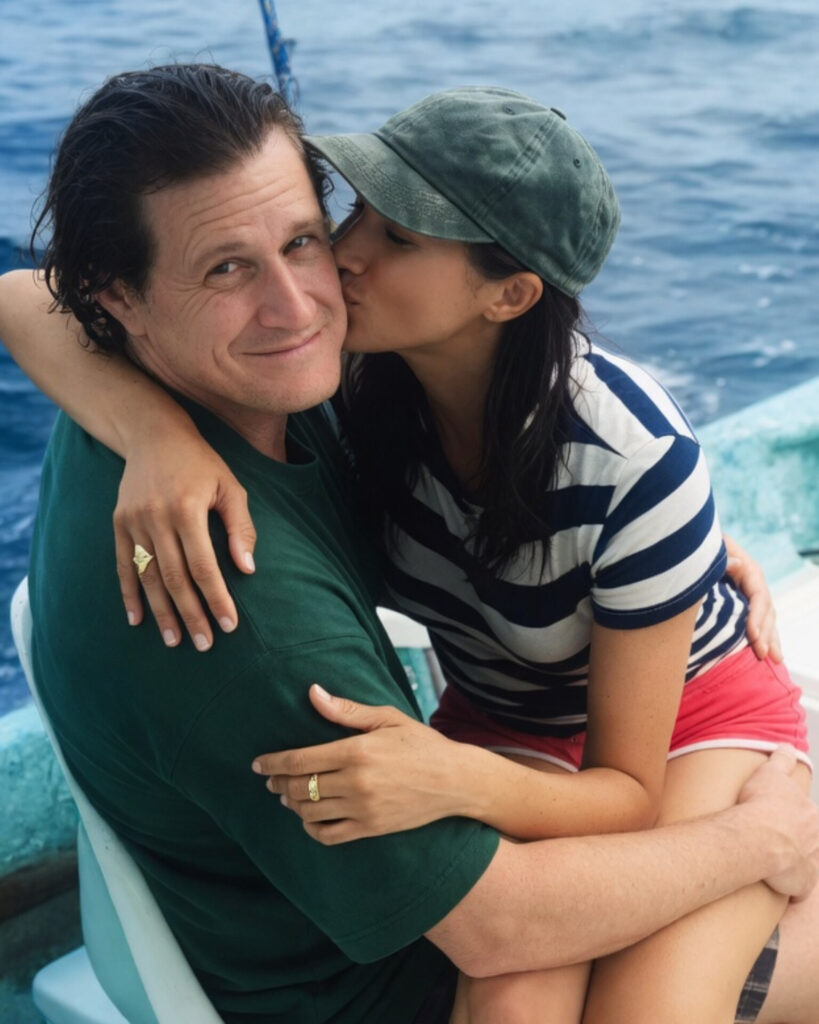
The first image shows a younger Meghan in full vacation mode aboard a boat, striped top, red shorts, cap pulled low, barefoot and sun-kissed. She is wrapped around an older, non-royal man, lips pressed affectionately to his cheek, her body language relaxed and intimate. There is no palace, no protocol, no global press pack — just a casual, ordinary moment with an ordinary man who offered none of the titles, castles, or instant worldwide fame that would later define her life.
The second photograph is even more damning. Meghan beams with that trademark megawatt smile, arms locked tightly around her then-husband, Hollywood producer Trevor Engelson. She looks genuinely happy, nestled into him in what appears to be a private, loving moment years before she ever heard the words “Your Royal Highness.” Engelson was a step up from her earlier life — connected, industry-adjacent, someone who could open doors in entertainment. But he was still just a man. No dukedom. No “Her Royal Highness.” No front-row seat at the biggest royal wedding in a generation.
Then comes the third photo — the one that changed everything. Prince Harry leans in to kiss her cheek. Meghan’s face lights up with the same smile, but now the backdrop is royalty, tradition, and the most powerful family on earth. The contrast is impossible to unsee.
Body language analysts and armchair detectives online are already dissecting the images. In the pre-royal shots, the affection looks comfortable, almost transactional in its ease. In the Harry photo, the smile is brighter, the posture more performative. One viral reply summed it up bluntly: “She didn’t marry Harry. She married the titles, the clout, the Royal family, the platform.”
And the receipts from her own life back it up.
Meghan’s romantic history tells a clear story of upward mobility. She married Trevor Engelson in 2011 after years of dating — a solid Hollywood player who could help a struggling actress from Suits climb the industry ladder. The marriage ended in 2013. Then came chef Cory Vitiello, another step into a more polished, high-society Toronto circle. Still no royalty. Still no global superstardom.
Then, in 2016, everything changed. A blind date arranged through a mutual friend led to a whirlwind romance with a genuine British prince. The engagement announcement broke the internet. The wedding at Windsor Castle was watched by hundreds of millions. Overnight, a mid-tier actress became a global icon with a title, a platform, and access to the kind of power and attention most people only dream about.
Coincidence? Or the final, calculated step in a long game?
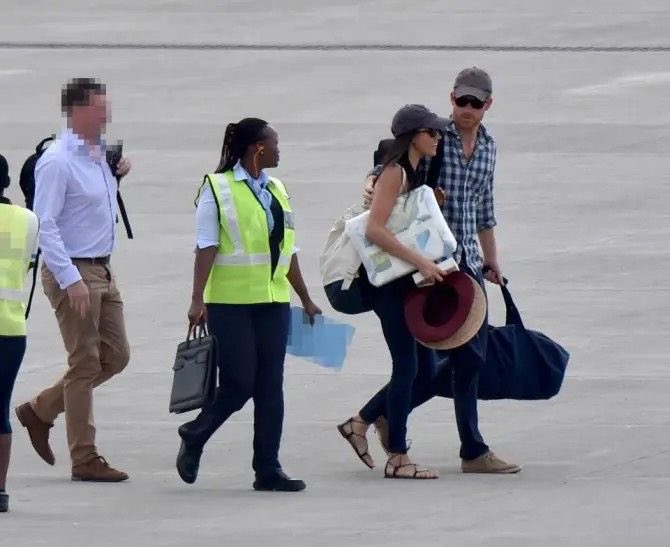
Critics have long argued that Meghan’s post-royal career choices reveal the truth. After stepping back from senior royal duties in 2020 — citing privacy and mental health concerns while simultaneously signing multimillion-dollar deals with Netflix and Spotify — the couple’s media empire has largely flopped. Archewell productions have underperformed. The much-hyped Spotify podcast was quietly shelved. Netflix content has failed to move the needle the way the couple’s representatives once promised. The “privacy” they claimed to crave has been repeatedly traded for high-profile PR opportunities, from carefully staged paparazzi walks to controversial “disaster tourism” photo ops.
If the goal was genuine love and a quiet family life, why chase the spotlight at every turn? If it was truly about escaping royal scrutiny, why keep the HRH titles, the Sussex brand, and the constant media presence?
The photos make the subtext impossible to ignore. In every pre-Harry image, Meghan is affectionate with men who could advance her career or social standing in normal, non-royal ways. The moment a real prince enters the frame, the trajectory skyrockets. The same woman who once dated producers and chefs suddenly becomes the central figure in a centuries-old monarchy — and then, when the constraints of that role become inconvenient, attempts to export the royal brand to California on her own terms.
Social media reaction has been swift and merciless. “Not a chance in hell,” one user wrote. “He’s not attractive & he’s not intelligent. She only targeted him because of who his family are.” Another added: “She thought he was a billionaire when he was just a broke ass prince tied up in inheritances.” The pile-on continued: “Nope! She wouldn’t look at him twice. She didn’t marry Harry she married the titles, the clout, the Royal family, the platform.”
Even those defending the couple struggle to explain why a woman who had already been married once and dated successfully in elite circles would suddenly fall head-over-heels for a man whose primary assets, outside his personality, were his birthright and his family name.
Harry, for his part, has always presented the relationship as a fairy-tale love story that transcended titles. He has spoken movingly about protecting his wife and children from the very institution that raised him. But the photos raise an uncomfortable possibility: that the institution, the title, and the global platform were never the problem for Meghan — they were the point.
Would “plain Harry,” working a normal job, living in a normal house, without the palaces, the security detail, the instant name recognition, and the centuries of prestige, have ever received a second glance from the ambitious, image-conscious woman in those earlier photographs? The images suggest the answer is no.
The Duchess has built an entire post-royal identity around the idea that she was victimized by the very system that elevated her. Yet these photos, sitting side-by-side, tell a different story — one of strategic affection, calculated charm, and a consistent pattern of dating upward until the ultimate prize appeared.
Whether she would ever admit it is irrelevant. The pictures are already doing the talking.
And for millions of people scrolling today, the conclusion is unavoidable: Meghan Markle didn’t fall in love with a man named Harry. She fell in love with the idea of becoming a princess. Everything that has happened since — the drama, the departures, the deals, the declarations — has simply been the long, messy aftermath of that original transaction.
The crown was always the real husband. Harry was just the man wearing it.