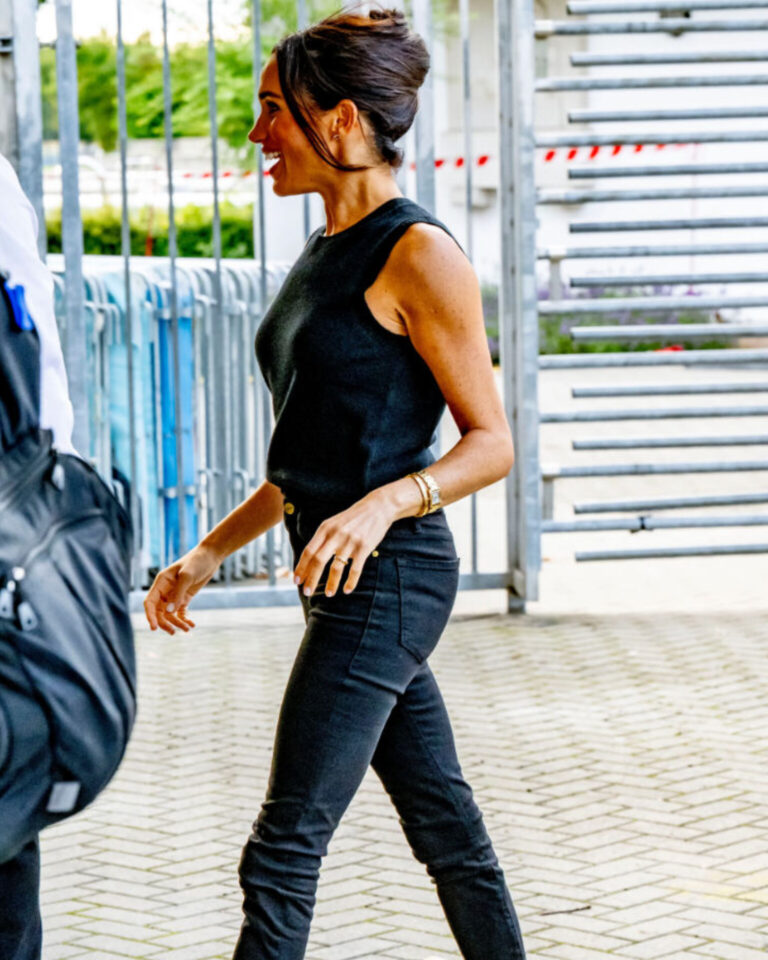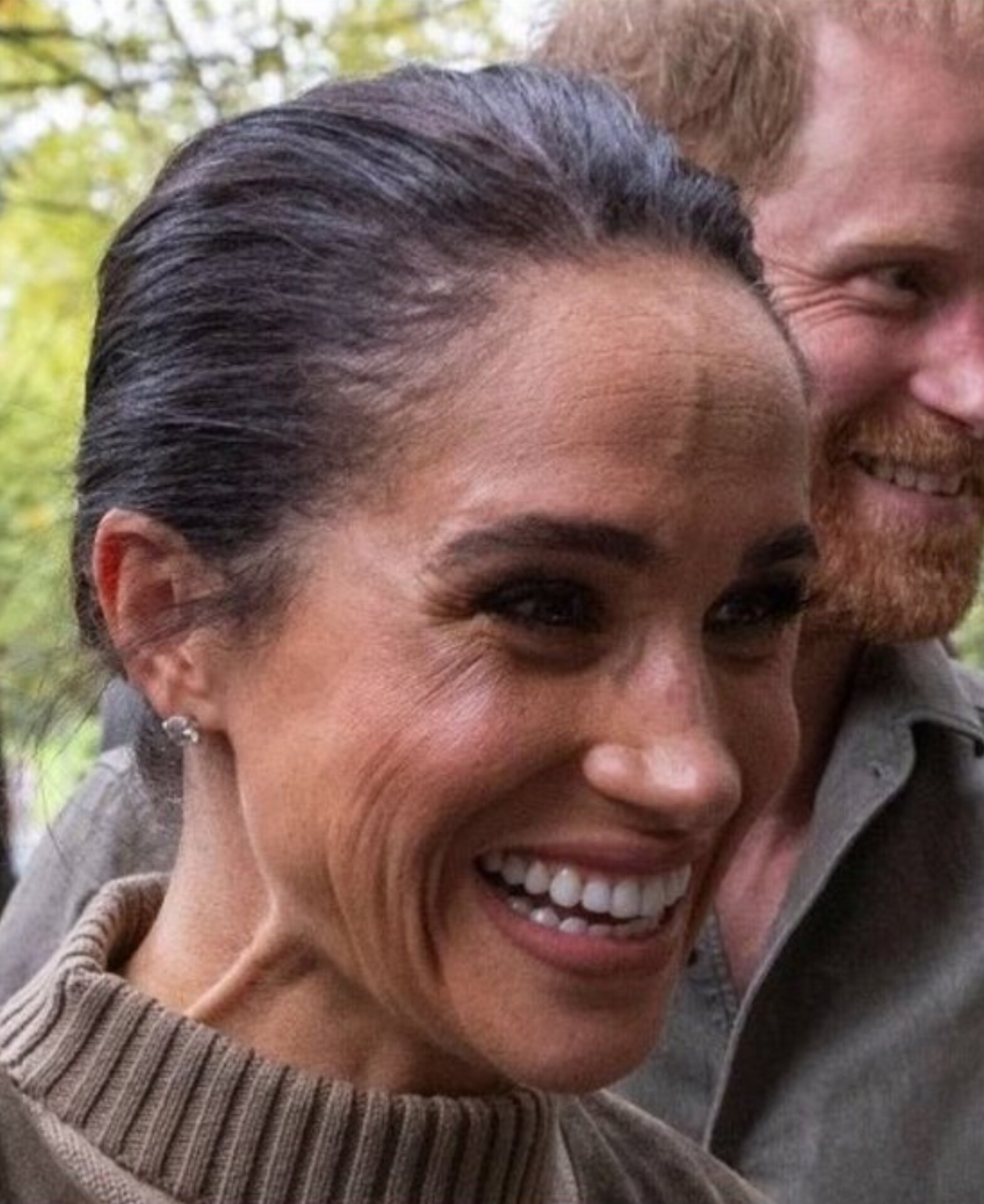
A widely circulated candid photograph shows Meghan Markle flashing a broad, toothy smile with her dark hair slicked back tightly, while Prince Harry grins over her shoulder in an outdoor setting. They look relaxed, even triumphant. But behind that polished image lies a very different story — one of spectacular self-destruction, plummeting public approval, and a trail of contradictions that have left the once-glamorous Sussexes as two of the most disliked public figures in the world.
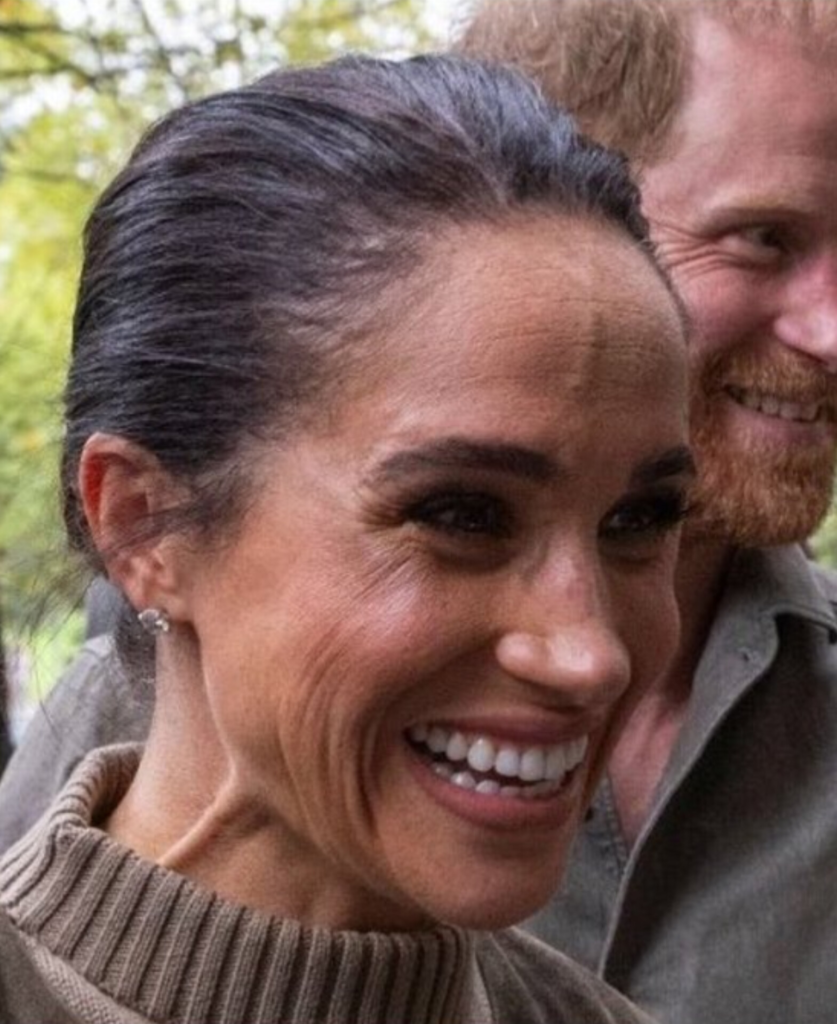
Recent polling data confirms what social media sentiment has been screaming for months: their popularity has collapsed to historic lows. In the United States, Meghan’s net favorability has crashed to just +2, with only 29% of Americans viewing her positively. In Britain, the numbers are even more brutal — just 19-20% favorable for Meghan and around 30-31% for Harry, with strong dislike ratings hovering between 60-66%. These figures represent some of the steepest declines ever recorded for members of the Royal Family.
From Global Superstars to Global Pariahs
It wasn’t always this way. As senior working members of the British Royal Family, the couple enjoyed enormous popularity. Their 2018 wedding was watched by hundreds of millions. The birth of their children and early family moments generated massive positive coverage. Even after they announced they were stepping back from royal duties in early 2020 — the so-called “Megxit” — they retained significant public sympathy and fascination, particularly in certain markets.
They left Britain for North America and quickly landed high-profile media deals. The Oprah Winfrey interview in March 2021 drew enormous audiences. Netflix documentaries and Spotify podcasts followed. Countless magazine covers, red-carpet appearances, and tell-all interviews kept them in the headlines. For a while, they remained “super popular,” as many observers noted at the time.
But cracks were already forming.
The Oprah Interview: The Moment Everything Changed
The March 2021 Oprah special was supposed to be their triumphant “truth-telling” moment. Instead, it became the catalyst for their downfall. The couple leveled serious allegations, including that a member of the Royal Family had expressed “concerns” about the skin color of their unborn son Archie. They painted a picture of institutional racism and neglect that sent shockwaves around the world and put the entire Royal Family on the defensive.
The Palace responded with a measured statement acknowledging that “issues raised, particularly that of race, are concerning” and would be addressed privately. Prince William was more direct, stating clearly that the Royal Family is “very much not a racist family.”
Then came the contradictions. Prince Harry himself later clarified that the comment in question had not come from the Queen or the Duke of Edinburgh. The couple had sat on the racism allegations for years while accepting the privileges and platforms that came with their royal status. Meghan even accepted an award tied to fighting racism during the period when the Palace was still under global scrutiny for the very claims the couple had made.
Public patience began to wear thin. The narrative started to shift from “brave truth-tellers” to something far less flattering.
Constantly Changing Stories and the Death of Credibility
As the months and years passed, more inconsistencies piled up. The couple had claimed they were secretly married in a private backyard ceremony three days before their official Windsor wedding — a detail that struck many as odd and unnecessary. Other recollections seemed to shift depending on the interview or documentary.
The Netflix series “Harry & Meghan” was marketed as the definitive telling of “their truth.” Instead, viewers and critics noted discrepancies with earlier statements, public records, and even basic timelines. Each new appearance seemed to bring fresh variations on old stories.
Royal watchers and ordinary people watching from home began to notice the pattern. One viral social media post summed it up perfectly: the couple were senior royals and popular, stepped back and stayed popular, left the Royal Family and England and remained popular, did the Oprah interview and were still popular, did Netflix and more interviews and were still popular. Then people started questioning their recollections and realized they were actually lying. Each interview, they were changing their story.
That realization spread like wildfire.
Polls Don’t Lie — The Numbers Confirm the Collapse
By 2026, the data is undeniable. YouGov polling in both the US and UK shows the Sussexes at or near their lowest favorability ratings ever recorded. Meghan’s US net rating has dropped sharply in just a few months. In Britain, her unfavorable numbers are among the worst for any public figure associated with the monarchy in modern times.
Harry, once a beloved “national treasure” for his military service and charitable work, has seen his own ratings erode dramatically since leaving royal duties. The couple who were supposed to modernize and diversify the monarchy have instead become a cautionary tale about the dangers of prioritizing personal brand and media deals over duty and consistency.
Hypocrisy, Victimhood, and the Grift Narrative
Critics argue that the couple’s brand has been built on a foundation of selective outrage and convenient narratives. They accused the Royal Family of racism while continuing to trade on their royal titles and connections. They complained about media intrusion while signing multimillion-dollar media contracts. They spoke passionately about privacy while allowing cameras into their most intimate family moments for Netflix.
The public, once willing to give them the benefit of the doubt, has grown cynical. Many now view their constant media appearances not as brave truth-telling but as a never-ending grift — an attempt to monetize their royal connections and grievances long after they walked away from the responsibilities that came with them.
Social media reaction to recent discussions of their trajectory has been brutal but consistent: “professional liars and grifters,” “a pair of total dickheads,” “they ruined themselves.” The tone across platforms is one of exhaustion and rejection.
The Photo vs. Reality
That smiling photograph circulating online captures the couple in a moment of apparent contentment. But it also perfectly illustrates the widening gap between the image they try to project and the reality of their situation. The broad smiles cannot mask the damage done by years of shifting stories, contradicted claims, and a public that has finally stopped buying the narrative.
They were handed one of the most privileged positions in the world — senior members of the British Royal Family with global adoration and institutional support. Instead of building something lasting and positive, many believe they chose grievance, media deals, and constant reinvention of “their truth.”
A Self-Inflicted Tragedy
The fall of the Duke and Duchess of Sussex stands as one of the most dramatic reversals of public opinion in recent royal history. From the heights of a fairytale wedding watched by the world to the depths of widespread public rejection, the journey has been entirely of their own making.
The Oprah interview that was supposed to cement their status as modern icons instead exposed the inconsistencies. The Netflix projects meant to control their narrative instead highlighted the contradictions. The endless interviews designed to keep them relevant instead accelerated their irrelevance.
Today, polls and public sentiment agree: Harry and Meghan are no longer the popular, sympathetic figures they once were. They are viewed by growing numbers of people as the architects of their own downfall — two individuals who had everything and threw it away chasing something that was never going to satisfy them.
The smiles in that photograph may be wide, but the public verdict is now crystal clear. The era of automatic sympathy and benefit of the doubt is over. For the Sussexes, the only thing left is the long, hard road of trying to rebuild credibility they spent years eroding — one contradictory interview at a time.