As Prince Harry pushes for a controversial family UK visit next month amid a bitter security battle, royal sources fear the Duke and Duchess of Sussex will stage another manufactured “chase” on British streets — turning London or Birmingham into a danger zone just to manufacture headlines, sympathy, and chaos.
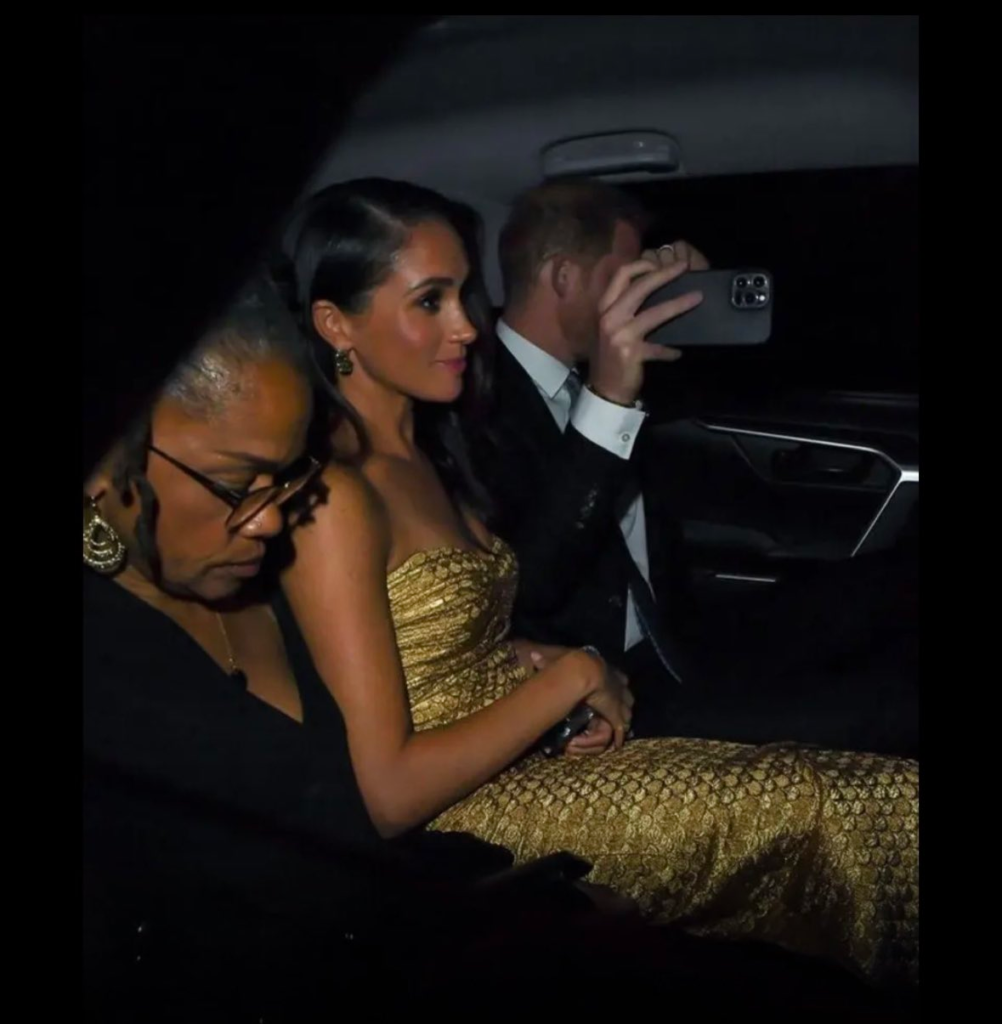
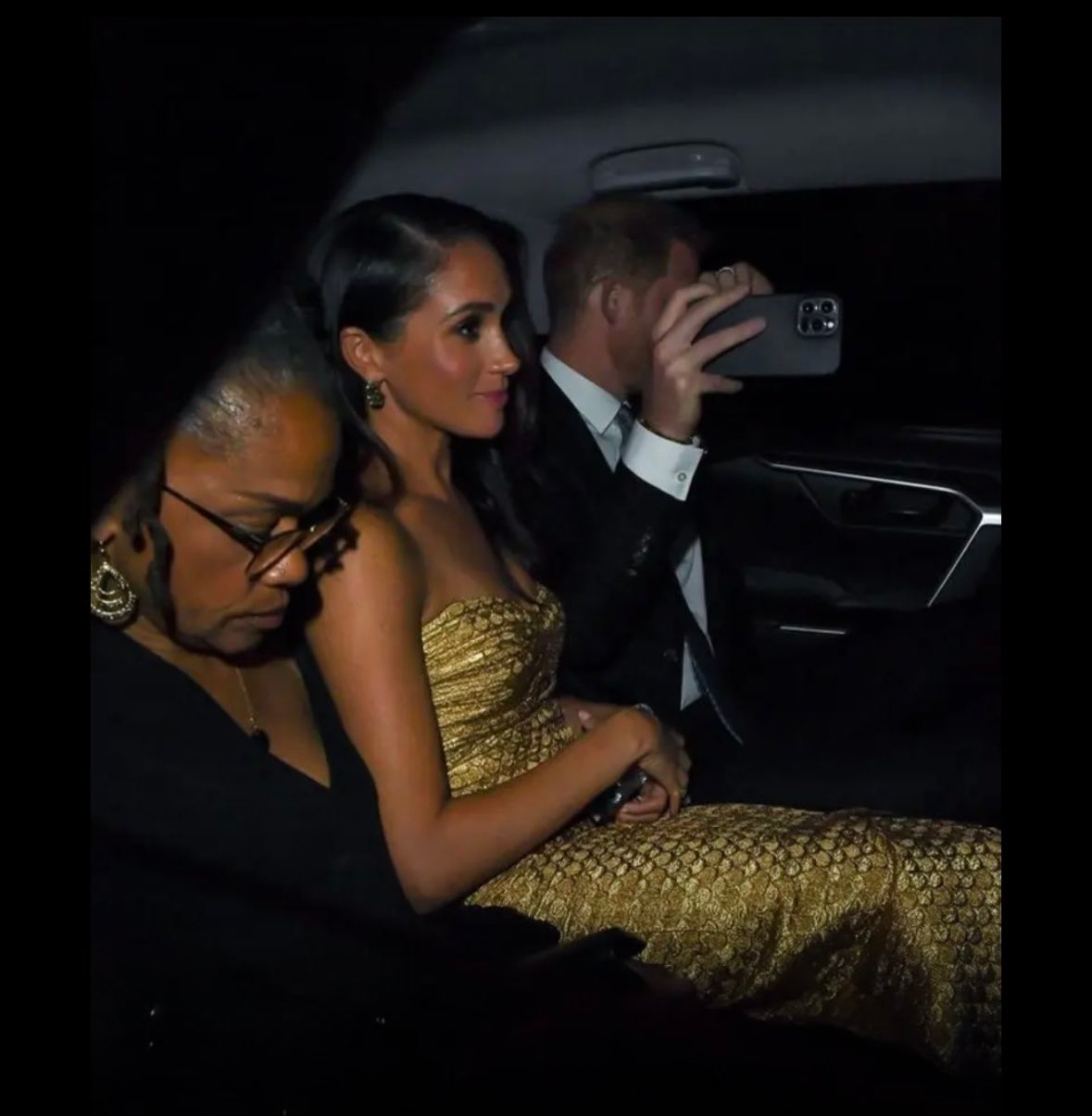
The world was told in May 2023 that Prince Harry, Meghan Markle and her mother Doria Ragland had survived a “near catastrophic car chase” through the streets of New York at the hands of a “ring of highly aggressive paparazzi.” Their spokesperson claimed a relentless two-hour pursuit involving multiple near-collisions with pedestrians, other vehicles and even NYPD officers — language deliberately chosen to echo the final, fatal moments of Princess Diana’s life in Paris.
It sounded terrifying. It dominated headlines. It generated oceans of sympathy.
It also appears to have been wildly exaggerated — if not outright manufactured for maximum PR impact.
New York Police Department statements at the time were clear and damning in their restraint: there were no collisions, no injuries, no summonses, no arrests, and no 911 calls from the public reporting a dangerous high-speed chase. Police sources described the episode as relatively short, largely conducted at normal city traffic speeds, with the couple’s security detail taking a deliberately circuitous route. One senior NYPD source stated bluntly that it “definitely wasn’t two hours.”
Paparazzi agencies involved pushed back hard, insisting there were no near-collisions and that the couple was never in immediate danger. A later NYPD letter — produced in the context of Harry’s UK security court case — acknowledged reckless behaviour by some photographers and said there was evidence to support reckless endangerment charges against two individuals. But even that document did not validate the apocalyptic “near catastrophic” narrative or the claimed duration and scale of the terror.
The discrepancies were glaring from day one. Why take a long, looping route through Manhattan when their destination was relatively close? Why claim a two-hour ordeal when police interaction lasted roughly 20 minutes? Why invoke the shadow of Diana’s death when nobody was hurt and no high-speed crash occurred?
Many observers at the time called it a calculated PR stunt designed to generate sympathy, boost flagging media relevance, and pressure authorities over security arrangements. The timing — coming after a relatively quiet period following King Charles’s coronation — only fuelled the scepticism.
Now, with fresh reports that Harry is “exploring every option” to bring Meghan, Archie and Lilibet to the UK for their first family visit in years (reportedly tied to personal matters and Invictus Games-related events around Birmingham), those same concerns have resurfaced with much higher stakes.
Security experts and sources close to palace circles are warning privately that the Sussexes’ team may be preparing to repeat — or escalate — the New York playbook on British soil.
The scenario being discussed in hushed tones is chillingly familiar: a heavily publicised movement through London or the Midlands, aggressive paparazzi (or claims of them), security vehicles taking dramatic “evasive action,” and immediate claims of near-misses, terrifying chases, or threats. The goal? Global headlines, viral footage, sympathetic coverage portraying the couple as perpetual victims, and renewed pressure on the UK government and royal household over protection arrangements.
The difference this time is geography and density. Central London streets, motorways around Birmingham, and event routes are packed with ordinary drivers, cyclists, pedestrians, buses and tourists. A real or hyped high-tension pursuit — even one conducted at relatively low speeds — carries far greater risk of actual collisions, injuries, or fatalities than the New York episode, where luck and lower stakes prevented tragedy.
Former royal protection officers have noted that genuine high-threat security relies on discretion, advance planning and low profiles — not dramatic public spectacles that turn the principal into a moving target for cameras and controversy. Manufacturing or grossly exaggerating threats for narrative purposes does not enhance safety; it undermines it and endangers everyone in the vicinity.
Critics argue the pattern is clear. The 2023 New York drama fits a long-running strategy of positioning Harry and Meghan as hunted figures whose every move requires special treatment and generates content. With Archewell projects and media deals facing ongoing scrutiny, fresh “victimhood” headlines would be extremely valuable. A UK-based incident would also serve as powerful leverage in the ongoing security dispute and could be spun into documentaries, interviews or social media gold.
Harry remains the King’s son and a British citizen. He has every right to visit his homeland. But rights come with responsibilities — especially when public safety is at stake. The offer of secure accommodation on a royal estate with appropriate protection has already been extended. Insisting on additional layers while simultaneously courting the very attention that creates risk looks, to many, like a deliberate strategy rather than genuine concern.
The British public and authorities should not be forced to play supporting roles in another Sussex-produced drama.
What needs to happen now:
- The royal household and government must impose strict, non-negotiable conditions on any visit: tightly controlled movements, minimal public exposure, and clear consequences for any manufactured incidents.
- Metropolitan Police and local forces should be briefed to treat any “chase” claims with extreme scepticism and full forensic scrutiny from the outset.
- If credible intelligence suggests a repeat of the New York playbook is being prepared, the visit should be scaled back or postponed until proper assurances are given that public safety will not be compromised for photo opportunities.
The 2023 New York episode was a warning that, fortunately, ended without anyone being physically hurt. Allowing the same circus to roll out on British streets — especially with young children in the party — would be reckless in the extreme.
England does not need another round of manufactured chaos dressed up as royal victimhood. The time to draw a firm line is before the motorcades start rolling and the cameras begin their dangerous dance.
Harry and Meghan chose their path. The rest of us should not have to pay the price — in headlines or, God forbid, in blood — for their next performance.
The Palace and Downing Street must act decisively. Block the circus before it arrives.