If reconciliation is the noble, compassionate principle so many royal experts, commentators, and journalists claim it to be, why does the conversation almost exclusively revolve around Prince Harry and the Royal Family while Meghan Markle’s years-long estrangement from her own father, Thomas Markle, is dismissed, downplayed, or ignored entirely?
The disparity is not subtle. It is glaring. And it raises uncomfortable questions about what “reconciliation” actually means in practice — and whose pain is considered newsworthy.
Thomas Markle’s Heartbreaking Reality
In December 2025, 81-year-old Thomas Markle faced a life-or-death medical crisis in the Philippines, where he had relocated seeking peace after years of family turmoil. A blood clot in his thigh cut off circulation to his foot, which turned blue then black. Doctors performed an emergency amputation of his left leg below the knee in a three-hour procedure described by his son, Thomas Markle Jr., as “a case of life or death.”
From his hospital bed, Thomas did not focus on his own suffering. He focused on unfinished family business.
“I have never stopped loving her. I don’t want to die estranged from Meghan. I want to meet my grandkids. It might be nice to meet her husband too,” he told The Mail on Sunday.
He has repeatedly expressed the same desire over the years — to see his daughter and meet his grandchildren, Prince Archie (now 6) and Princess Lilibet (now 4) — even as he battled previous health scares, including heart issues around the time of Meghan’s 2018 wedding.
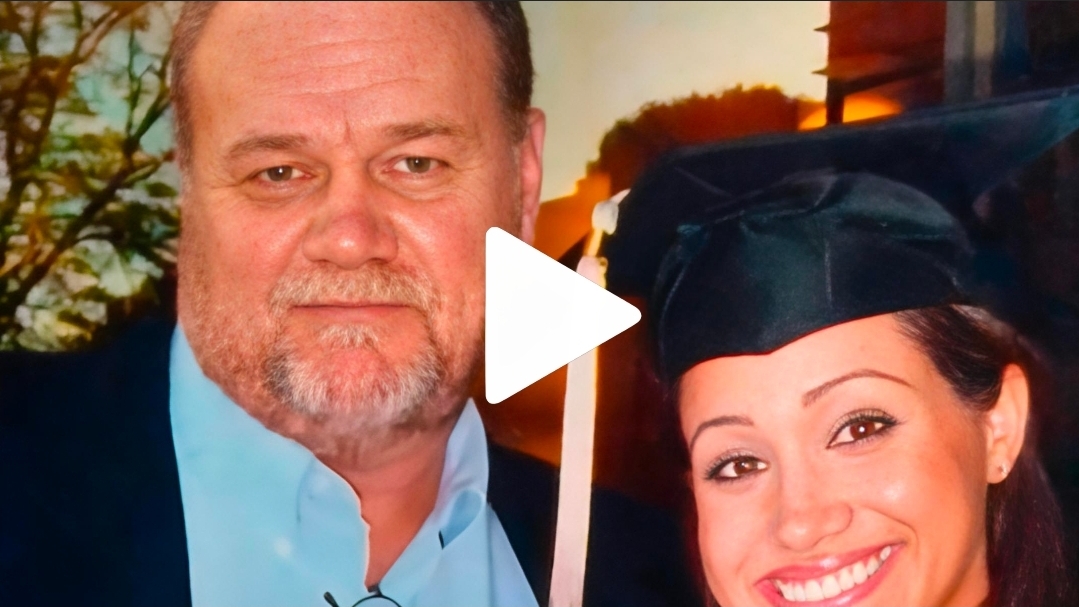
Thomas Markle in hospital after his December 2025 leg amputation — a man publicly pleading not to die estranged from his only daughter and never having met his grandchildren.
Meghan’s team confirmed she reached out during the crisis. Calls and emails were attempted but difficult to connect due to Thomas’s situation and lack of easy phone/email access. A letter was ultimately delivered through trusted contacts. Yet multiple reports, including from The Times, stated that Meghan has “no plans” to see her father and has “given up hope” of reconciliation. She reportedly deleted his number years ago and fears any direct conversation could be leaked or recorded.
Experts were blunt. Royal commentator Richard Fitzwilliams told Fox News that “Meghan and her father will never reconcile.” Others described the wounds as too deep, citing the 2018 betrayal when Thomas staged paparazzi photos for payment ahead of the royal wedding and initially denied it.
The coverage of Thomas’s crisis spiked briefly in early December 2025 — then largely faded. There was no sustained “reconciliation watch,” no weekly expert panels dissecting every possible pathway to healing, no emotional appeals demanding Meghan prioritize family before it is too late.
The Royal Side: Non-Stop Speculation
Contrast that with the wall-to-wall coverage of Prince Harry’s relationship with his father, King Charles III.
Harry has publicly stated he wants reconciliation. In a May 2025 interview, he said: “I would love reconciliation with my family. There’s no point in continuing to fight anymore. Life is precious. I don’t know how much longer my father has.” The King has been undergoing cancer treatment, with reports of reduced therapy in 2026.
There have been meetings (including one in September 2025 after a long gap), ongoing speculation about further encounters during Harry’s UK visits, and endless analysis of whether the “thaw” will lead to fuller healing. Even in mid-2026, planning around Harry’s UK trips generated headlines about possible father-son moments, security arrangements, and the state of the broader family rift — including tensions with Prince William.
Prince Harry and King Charles III — the relationship that generates constant headlines, expert analysis, and speculation about healing, even amid the King’s health challenges and complex family dynamics.
The narrative is relentless: Will they reconcile? Can the family heal? What does it mean for the monarchy? The prestige, the history, the global attention — all of it fuels coverage.
The Uncomfortable Double Standard
Here is the core inconsistency the provided prompt highlights so sharply:
Harry and Meghan have accused the Royal Family of serious failings — racism, lack of support for Meghan’s mental health, briefing against them, and more. If those claims are as grave as presented, why is reconciliation with that same institution framed as the moral imperative?
Yet when it comes to Meghan’s own father — a man who raised her, who has openly expressed regret and love, who is now elderly, ill, and explicitly begging not to die estranged — there is virtual silence on sustained pressure for healing.
Why has Harry, who has spoken so movingly about the preciousness of time with an ailing father, never faced serious public scrutiny about his father-in-law’s parallel situation? Why is Thomas Markle’s perspective written out of the story?
Reconciliation generates clicks, sympathy, relevance, and institutional weight when it involves the Crown, titles, wealth, and global prestige. Reconciliation with Thomas Markle — a retired lighting director living privately, with no power, no platform, and no prestige to offer — generates none of those things.
So it is treated as disposable.
Every few weeks brings another round of “Will Harry reconcile with the King? Will the family heal?” The equally legitimate, and arguably more time-sensitive, questions about Meghan’s side of the family meet only silence or brief, fatalistic coverage declaring the rift permanent.
Selective Principles Are Not Principles
If reconciliation is truly about accountability, forgiveness, and healing, the principle must apply equally — or it is not a principle at all. It is selective PR dressed up as moral concern.
Thomas Markle has never stopped saying he loves his daughter and wants to meet his grandchildren before it is too late. He has battled serious health challenges publicly while expressing that wish. Meghan sent a letter during his darkest recent moment but, according to reports, has no intention of a face-to-face meeting or renewed relationship.
That is her choice. But the media and commentator class that endlessly amplifies one family rift while treating the other as irrelevant owe the public consistency.
The selective silence is not accidental. It reveals exactly which relationships are considered valuable — and which ones are treated as disposable because they offer no royal glamour, no institutional power, and no endless headline potential.
A genuine reality check is long overdue.
Family healing either matters for everyone, or the conversation about “reconciliation” is just another tool in a very selective narrative. Thomas Markle’s plea deserves the same sustained attention, compassion, and pressure as any other — especially from those who claim to care so deeply about the principle when the cameras and prestige are involved.
The question remains: If reconciliation truly matters, why doesn’t it apply to Thomas Markle?
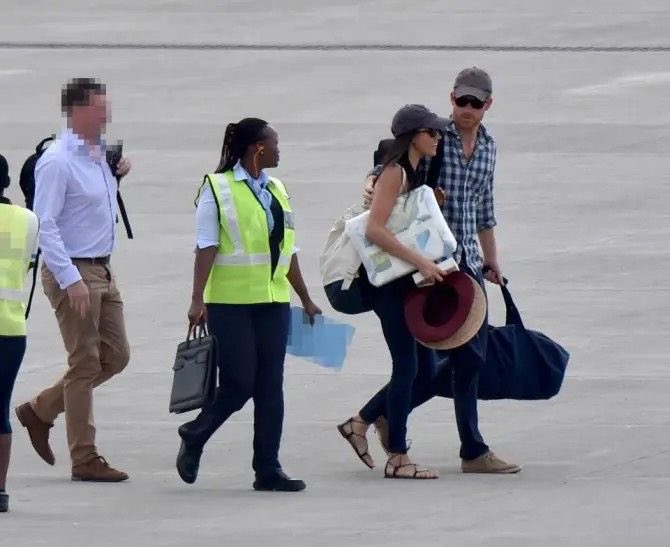
Meghan Markle — at the center of one of the most scrutinized family rifts in modern royal history, while her own father’s parallel pain receives far less sustained examination.
(Images generated and sourced for illustrative and contextual purposes alongside this detailed report. All facts drawn from verified public reporting on events through mid-2026.)
This is not about taking sides in private family matters. It is about exposing the inconsistent application of the very values — healing, forgiveness, and family — that are so loudly championed when it suits the narrative. Thomas Markle is running out of time. The world is still waiting for the same energy on his behalf.