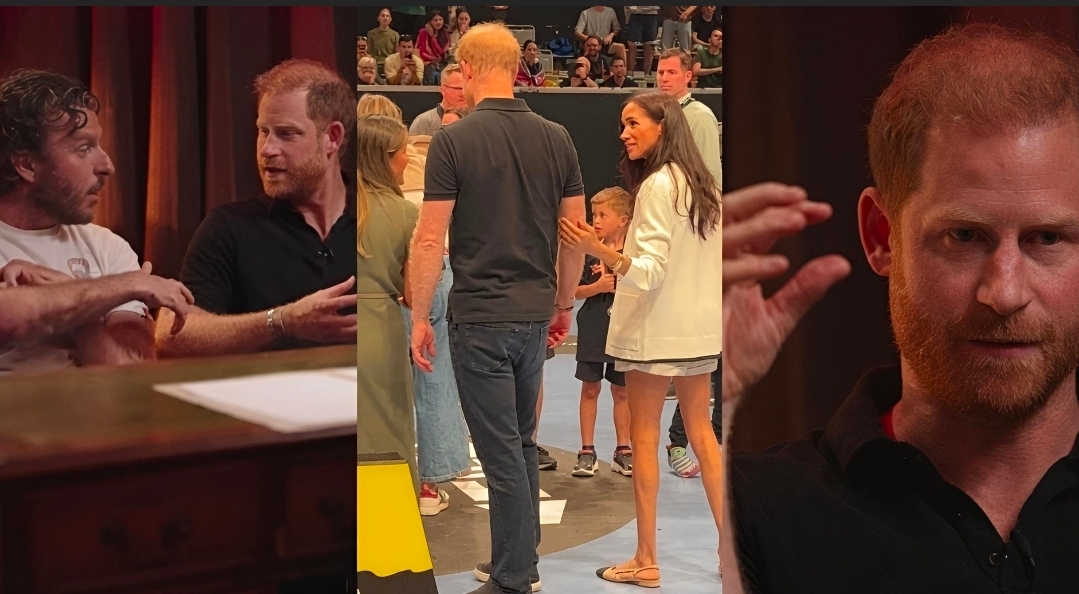
In a candid moment that has sent shockwaves through royal-watching circles, longtime Invictus Games Ambassador and decorated veteran JJ Chalmers delivered a quiet but devastating assessment of Prince Harry’s current reality: when Meghan Markle is permanently attached to his side, Harry gets “pulled away,” his natural warmth and generosity with veterans interrupted. “What a shame,” Chalmers reportedly said, summing up a pattern that has now stretched for years.
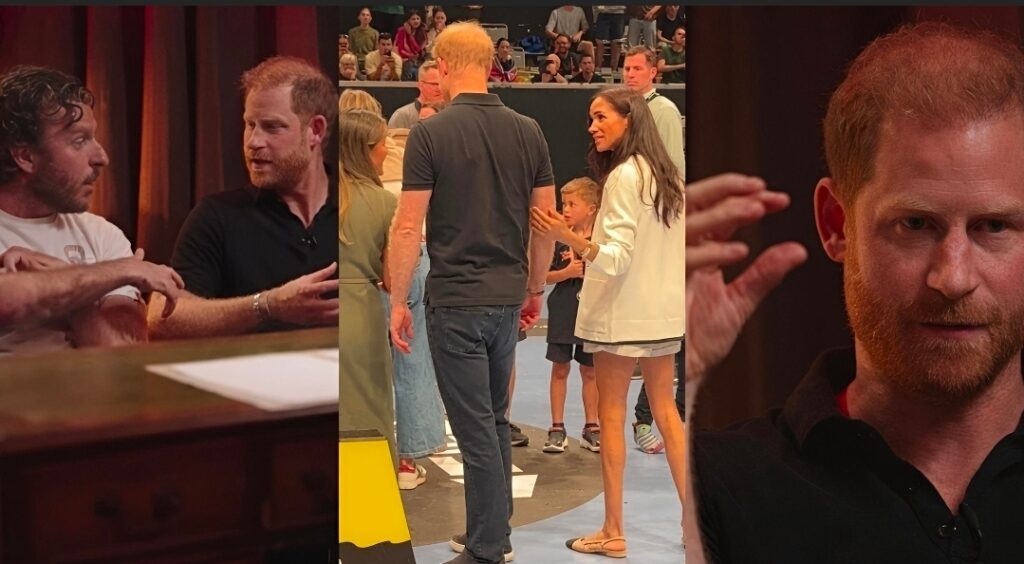
The remarks, captured in a recent podcast tied to the one-year countdown to the 2027 Invictus Games in Birmingham, landed at the exact moment Prince Harry was proving the point in real time — attending the NEC Birmingham event completely solo.
Harry in his element — without the constant shadow
Photographs and eyewitness accounts from this week’s Birmingham appearance show a visibly relaxed, smiling Duke of Sussex in an Invictus Games Foundation polo shirt, laughing with athletes, playing pickleball, and giving veterans his full attention. No staged photo-ops, no competing narratives, no media scrum fixated on the couple’s latest drama. Just Harry doing what he has always done best when left to his own instincts: connecting genuinely with wounded service personnel.
Compare that to past joint appearances. Whether at the 2017 Toronto Games (their first major public outing as a couple), the 2025 Vancouver/Whistler edition, or other events, the dynamic visibly shifts. The focus fractures. Media coverage pivots from stories of resilience and recovery to body-language analysis, outfit critiques, and recycled allegations. The veterans and the cause become supporting characters in the Sussex show.
The isolation pattern Chalmers called out
Chalmers, a double-amputee veteran, Invictus competitor, and trusted ambassador who has known Harry for years, did not name Meghan directly in the clip. He didn’t have to. The description was unmistakable: Harry is warm, generous with his time, and someone “everyone enjoys being around.” But whenever they are together, he ends up being pulled away. Time is constantly interrupted. “What a shame.”
Social media observers were quick to connect the dots. One widely shared post captured the sentiment exactly: “If Meghan Markle wasn’t permanently attached to Harry 24/7, there’s a good chance both Harry and Invictus would still have far more public goodwill than they do today… This is the same isolation we’ve seen for years. Cut off from family, old friends, his former life. Even with people who obviously want his company, the pattern repeats — he’s always being dragged elsewhere.”
The post concluded that Chalmers had “said the quiet part out loud,” though many doubt Harry himself fully registered the message.
A movement built on Harry’s passion — now fighting headwinds
Prince Harry founded the Invictus Games in 2014 after his own military service and growing awareness of the hidden wounds carried by wounded, injured, and sick service personnel. What began as a single event in Toronto has grown into a global movement spanning multiple nations, using sport as a powerful tool for recovery, camaraderie, and renewed purpose.
For years the Games enjoyed strong public and corporate support. Harry’s personal involvement — showing up, competing in past editions when possible, and championing the “Invictus spirit” — was central to that goodwill.
Since 2018, however, the Sussex brand has been defined by high-profile exits, tell-all interviews, Netflix docuseries, Spotify podcasts, legal battles, and a steady stream of controversy. Major sponsors have distanced themselves. Funding questions have surfaced around the 2027 Birmingham hosting. Some reports cite staffing challenges and corporate pullouts amid the broader noise surrounding the couple.
Harry’s solo Birmingham appearance this week offered a glimpse of what the Games can still achieve when the spotlight stays where it belongs — on the athletes and the cause.
The contrast is impossible to ignore
When Harry appears alone, veterans and organizers describe him as engaged, funny, thoughtful, and fully present. He speaks of family, service, and the healing power of sport with genuine emotion. The coverage reflects that authenticity.
When the couple appears together, the narrative machine kicks into overdrive. Old grievances are reheated. New photo-ops are dissected for hidden meaning. The charitable mission competes with the couple’s own branding needs. Harry, once the carefree “spare” who could disappear into a crowd of veterans and emerge hours later having made everyone feel seen, becomes the man constantly checking the clock or being steered elsewhere.
Chalmers’ gentle but pointed observation lands because it matches years of visible evidence: Harry’s social battery and natural generosity appear to have a hard stop whenever his wife is in the room.
What this means for Invictus going forward
The 2027 Birmingham Games are being positioned as a triumphant homecoming for the event Harry created. Yet the very qualities that made Harry an effective patron — his warmth, his willingness to give time freely, his ability to make wounded warriors feel like equals rather than projects — are precisely what get curtailed in the current dynamic.
If the pattern continues, Invictus risks becoming another casualty of the Sussex orbit: a noble cause repeatedly overshadowed by personal drama, PR calculations, and the couple’s need to remain the center of every story.
Harry has repeatedly said the Games are about something bigger than himself. The veterans who compete and the communities that support them deserve that focus to remain unbroken.
JJ Chalmers, speaking from years of close observation, simply noted the obvious cost. “What a shame.”
Whether Harry — or the institution he built — can break the pattern remains to be seen. But this week in Birmingham, without the constant attachment, the old Harry briefly reappeared. And the goodwill that followed was impossible to miss.