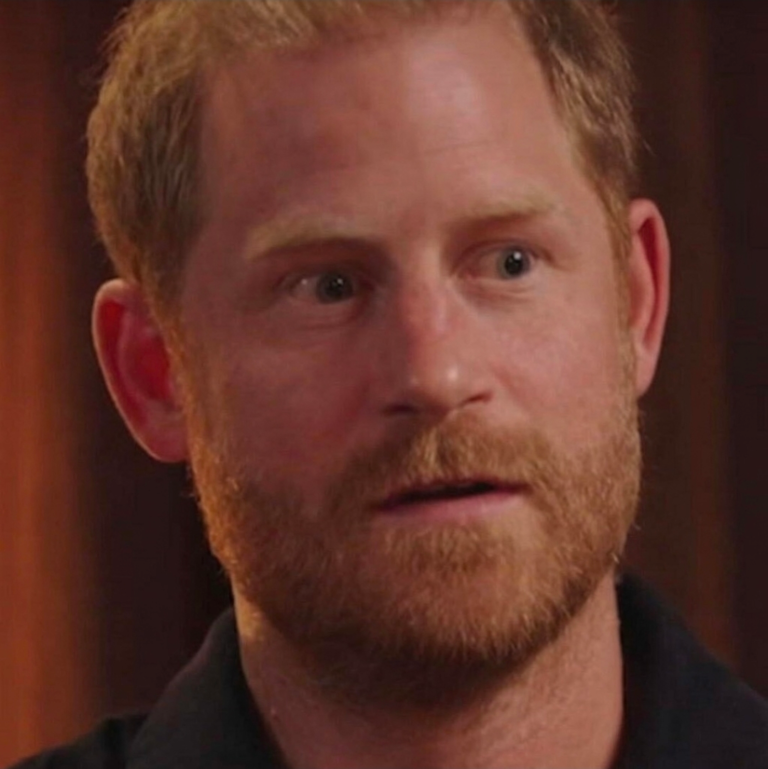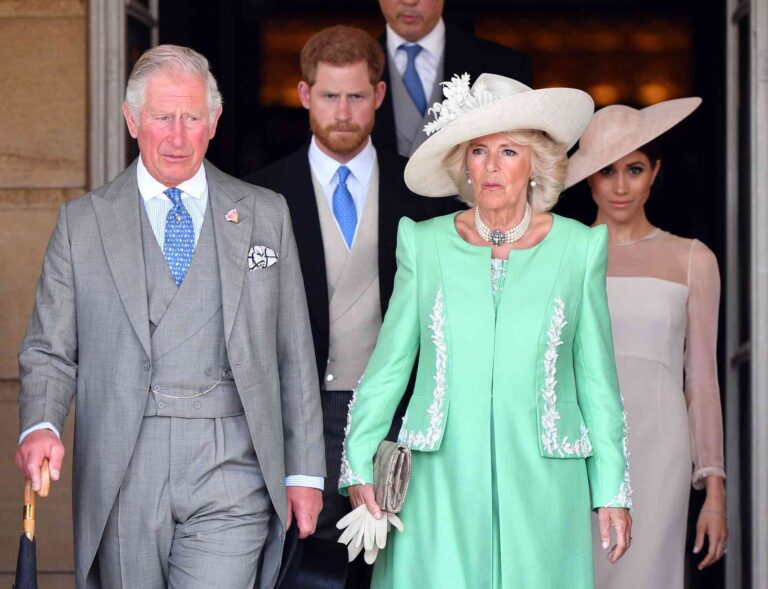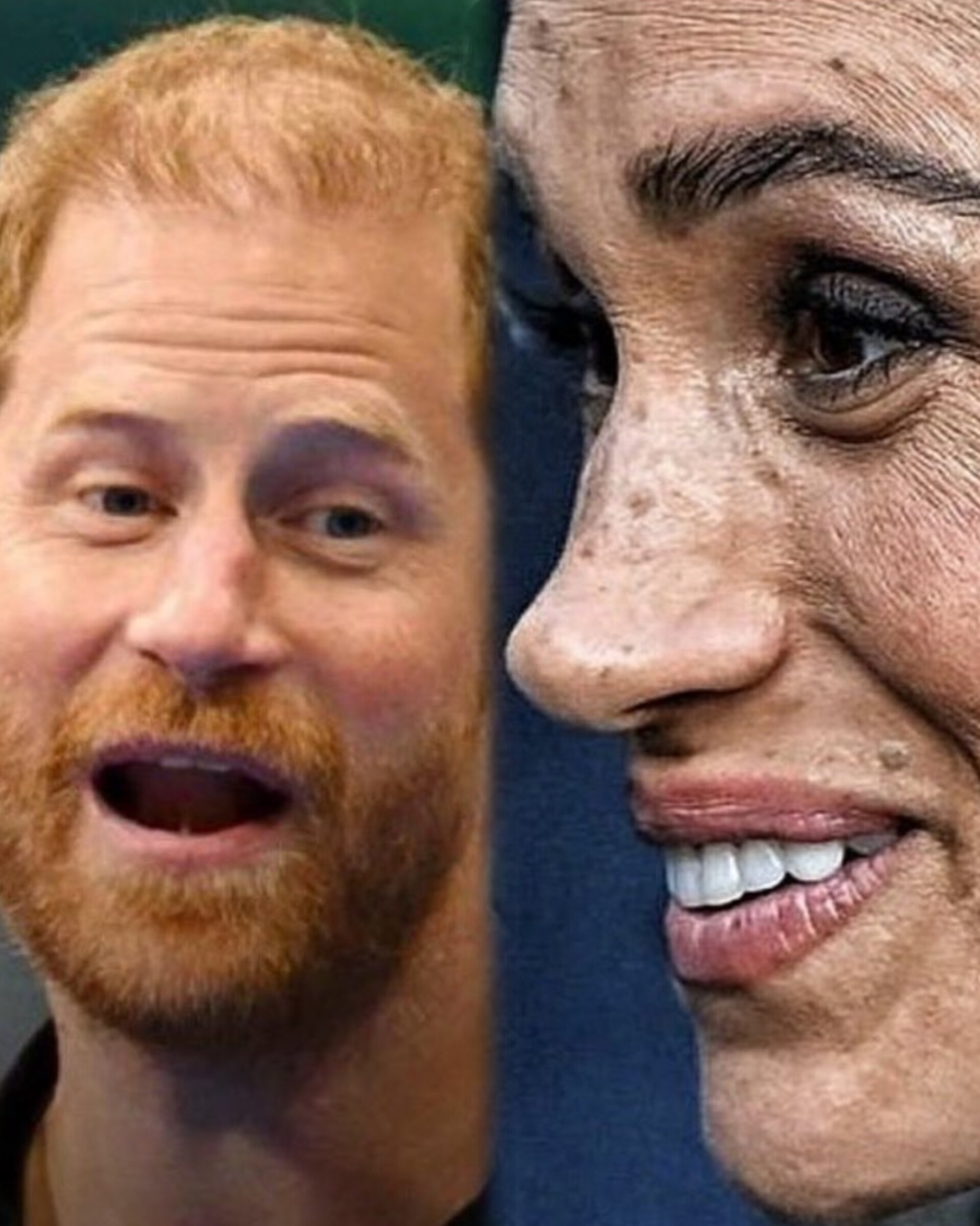
Fresh 2026 photos expose the Duke’s alarming crown bald spot while critics roast the Duchess’s latest string of Netflix and lifestyle brand disasters — is this the final nail in the Sussex grift coffin?
A brutally honest viral post on X has captured what many royal watchers have long suspected but few dared say so plainly: there are only two absolute certainties in the Sussex saga right now. Meghan Markle is less than mediocre, and Prince Harry is ginger. The post adds a twist of dark hope for Harry — his rapid balding means the ginger hair “problem” won’t plague him much longer. For Meghan? Permanent mediocrity, no escape.
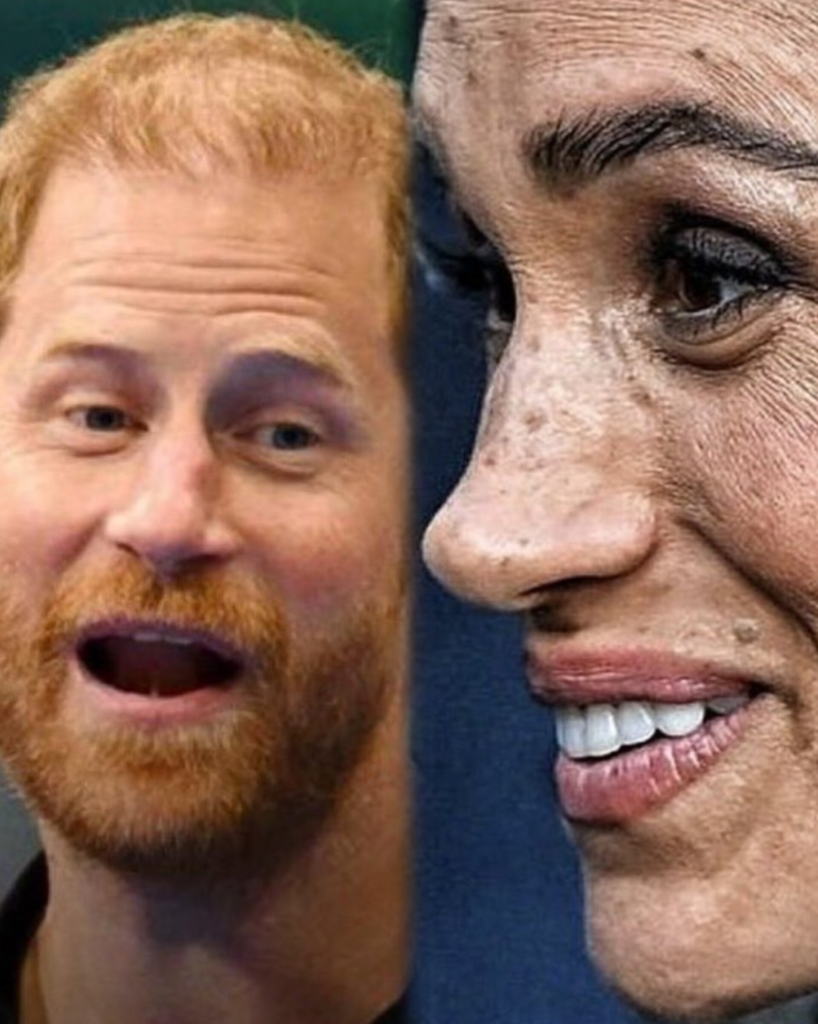
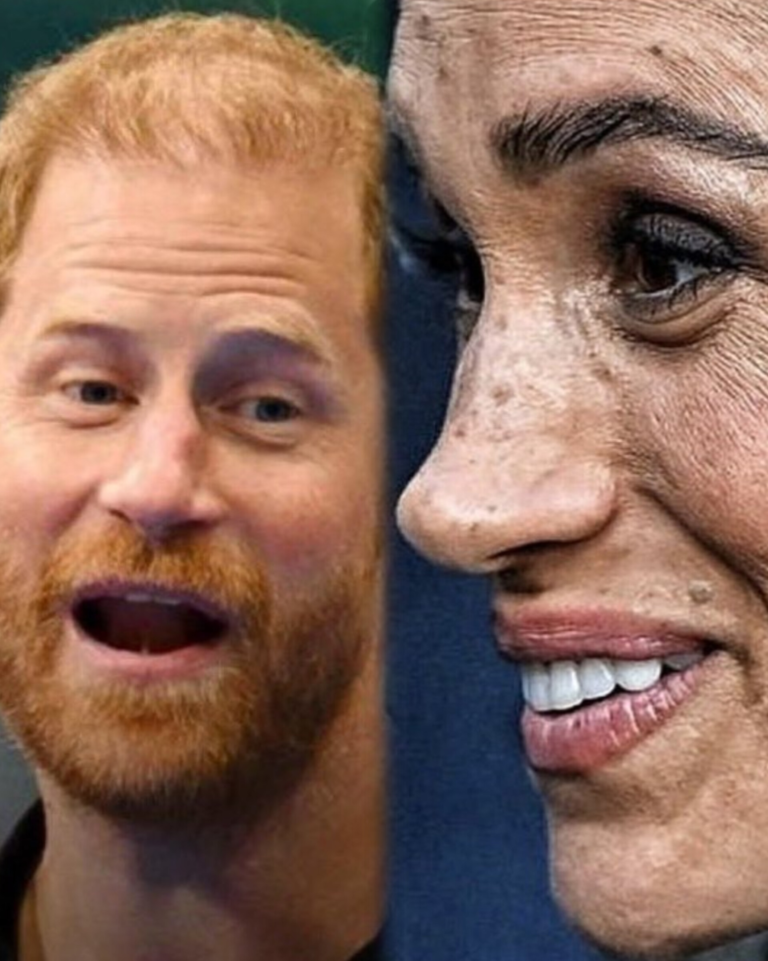
The post, which rocketed across social media with accompanying close-up images — one a profile shot of Meghan’s face and another a direct gaze at Harry’s ginger-bearded visage with thinning top — has sparked fresh debate amid a wave of unflattering new photos and damning project updates.
Harry’s Hair: From Fiery Ginger Trademark to Vanishing Act
Prince Harry once stood out in the royal family precisely because of that distinctive ginger-red hair — a genetic nod to the Spencer side that made him instantly recognizable from childhood photos through his military days and early royal tours. Brother Prince William inherited darker locks and has long since embraced (or surrendered to) advanced male pattern baldness, often shaving close or styling strategically. Harry, in his memoir Spare, even commented on William’s more progressed hair loss, noting it was “more advanced than mine” at the time.
Fast forward to 2025–2026, and the tables have turned dramatically. Recent high-profile appearances — including UK visits, Invictus Games-related events, and public outings — have put Harry’s own crown under harsh scrutiny. Photographers and bystanders captured clear views of a prominent bald patch on the back and top of his head, with thinning ginger strands struggling to cover the scalp under natural light. One widely shared image from an Invictus event showed the back of Harry’s head with a significant bald area starkly visible, prompting social media jokes about “karma,” “UK travel bans on hair,” and Harry now looking “even older than his brother.”
Medical assessments and photo timelines place Harry around a Norwood Scale 4 for hair loss — crown thinning combined with frontal recession. His lighter hair color and the way light hits it make the loss more obvious than it might be on darker hair. Styling choices (shorter cuts, strategic angles) and selective photo approvals have been noted by insiders trying to manage the visual narrative.
The viral post’s blunt observation lands perfectly here: Harry is ginger — that fiery shade was part of his brand for decades. But as the hair vanishes rapidly, the “ginger problem” solves itself. No more standout red tufts or the maintenance of a signature look tied to youth and vitality. For a man who has leaned into reinvention narratives post-royal life in California, this physical change arrives with a side of ironic relief, at least according to the post’s logic.
Meghan Markle’s “Less Than Mediocre” Reality: Flops, Fading Deals, and Unfulfilled Hype
While Harry may soon shed the ginger identifier along with his hair, the post reserves its harshest certainty for Meghan: she will always be less than mediocre. This isn’t casual shade — it’s backed by a track record that has played out in real time through Hollywood boardrooms, streaming metrics, and public perception.
Pre-royal fame came via a supporting role on Suits — solid cable TV work, but never the breakout A-list movie stardom or critical acclaim that defines true standouts. The 2018 royal wedding and brief time as a working royal generated massive global attention, amplified by the couple’s high-profile exit interviews (Oprah) and the 2022 Netflix docuseries that initially drew huge numbers. But the post-royal business era has been a masterclass in squandered momentum.
The couple’s much-hyped Netflix partnership (originally valued in the $100 million+ range) has unraveled in stages. Meghan’s lifestyle series With Love, Meghan — positioned as her personal pivot to hosting, cooking, gardening, and celebrity cameos — delivered Season 1 as a mid-tier performer. Season 2 saw sharp viewer drops (hundreds of thousands fewer views) and landed outside Netflix’s meaningful Top 10 rankings. Critics were savage: “pointless,” “contrived,” “exercise in narcissism,” “joyless,” and “boring.” The show tried to be cooking, mindfulness, and crafting all at once and committed to none.
The broader Archewell/Netflix ecosystem fared no better. Scripted ideas fizzled. A polo documentary underperformed. The As Ever lifestyle brand (jam, wine, consumer products) saw Netflix reportedly distancing itself, with surplus inventory reportedly given away internally. Insiders described Hollywood’s patience wearing thin — “the act has gotten stale,” poor decision-making, frequent changes of direction, and a sense that the couple “blew through any goodwill.” Some executives and observers have used blunt labels like “grifters” in private assessments.
Archewell Philanthropies reportedly saw key staff departures. Overall output has not matched the scale of the deals or the hype. The result? A perception that Meghan, despite extraordinary visibility and resources, has not translated fame into sustained excellence in acting, producing, hosting, or entrepreneurship. The viral post’s “less than mediocre” verdict feels like a cold summary of that gap between potential (or marketed image) and delivered results.