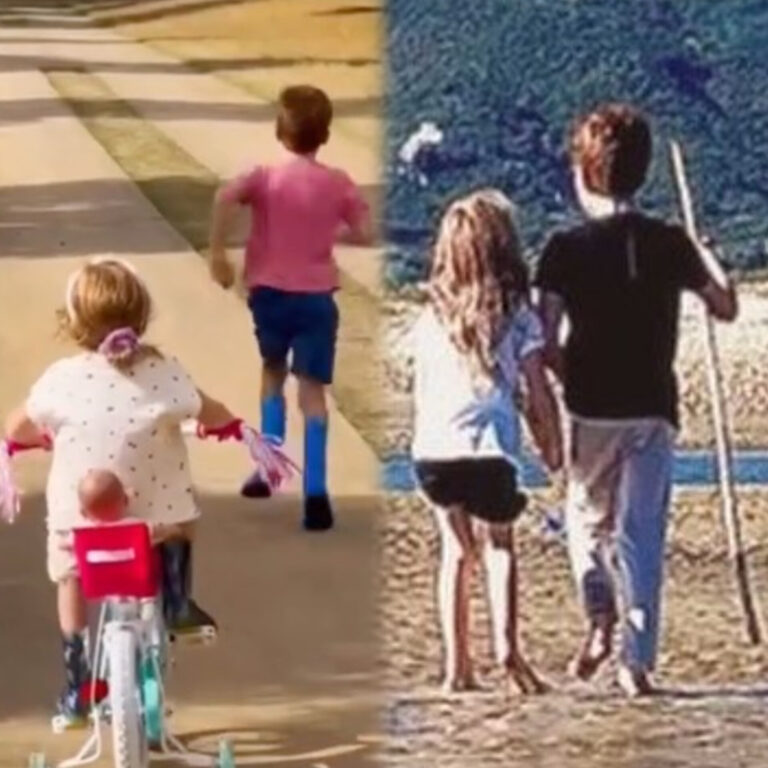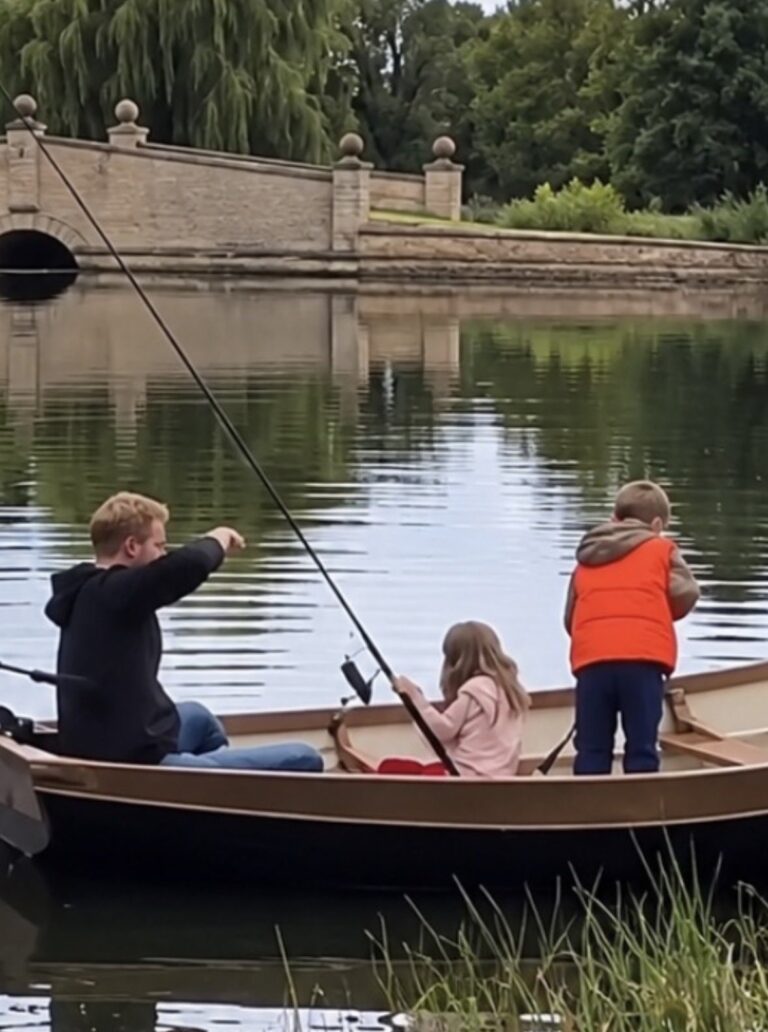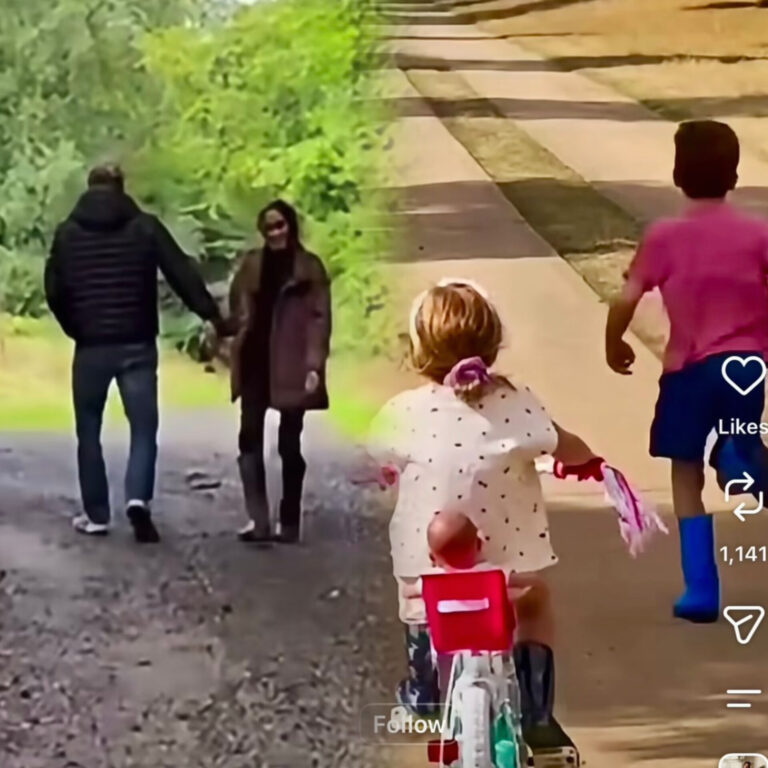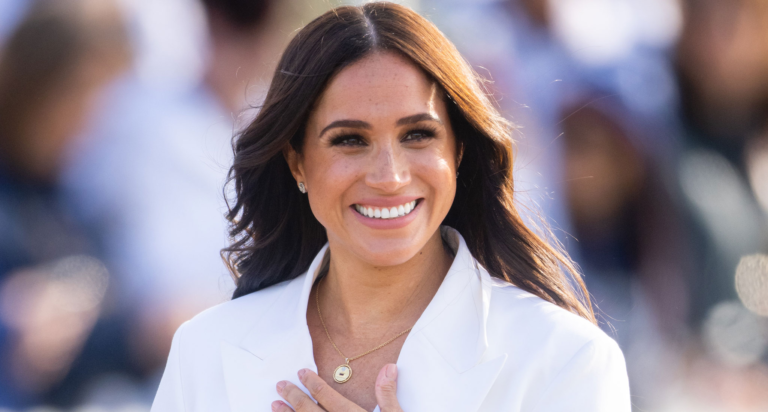
Meghan Markle dropped another tightly packaged Instagram montage of her “new life” back in Britain. Hand-holding on a damp country lane. Kids on bikes. Harry fishing. A crackling fireplace. Union Jack emojis. Wham! on the soundtrack. The message was unmistakable: look how wholesome, look how British, look how settled we are.
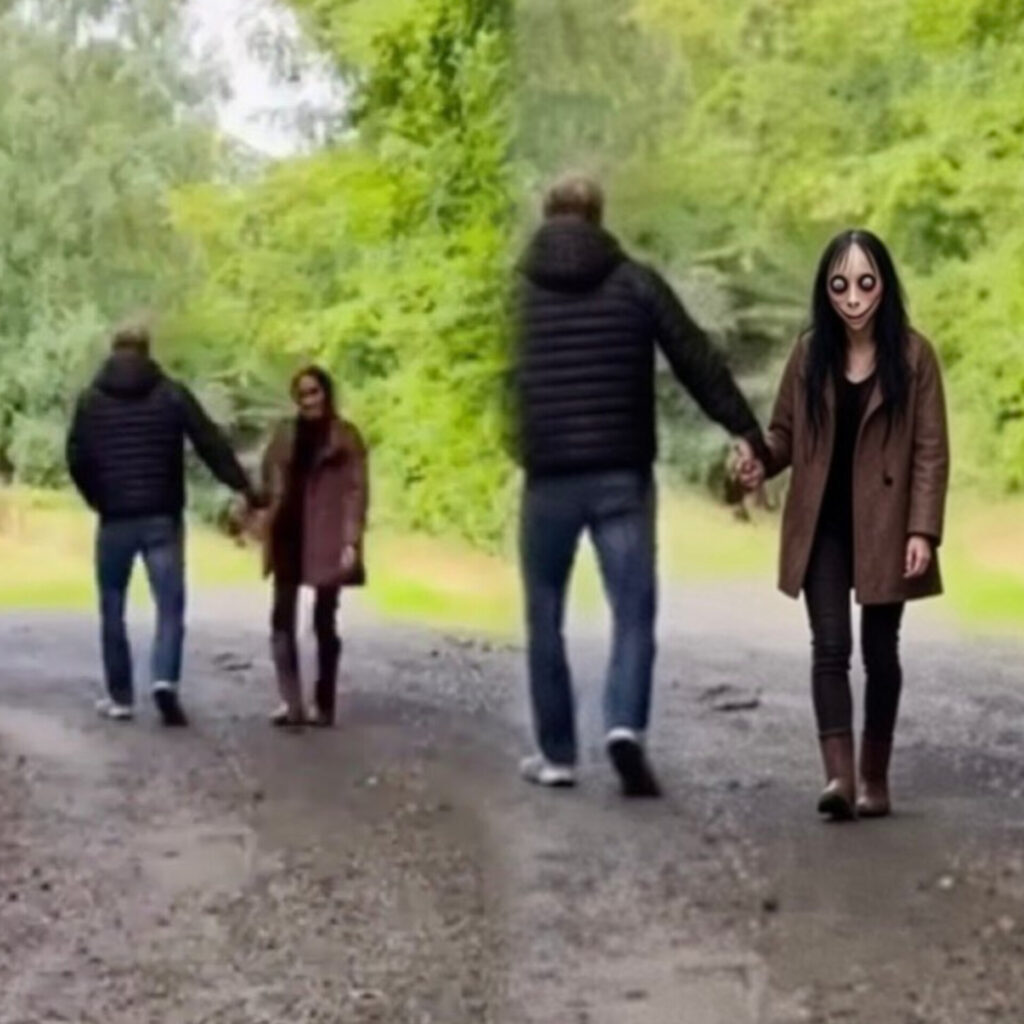
Then people started looking closer.
What was sold as an unfiltered glimpse of private-citizen bliss immediately invited the same questions that follow almost everything the Sussexes release: When was this actually filmed? Why are the children in shorts in one clip and bundled in coats and wellies in another? Why is there a roaring fire when much of England has been unseasonably mild? Why does one still from the fishing scene feature a bridge that some viewers insist doesn’t match any obvious local landmark? And why does the whole thing feel less like a family video and more like a brand commercial with a Union Jack slapped on top?
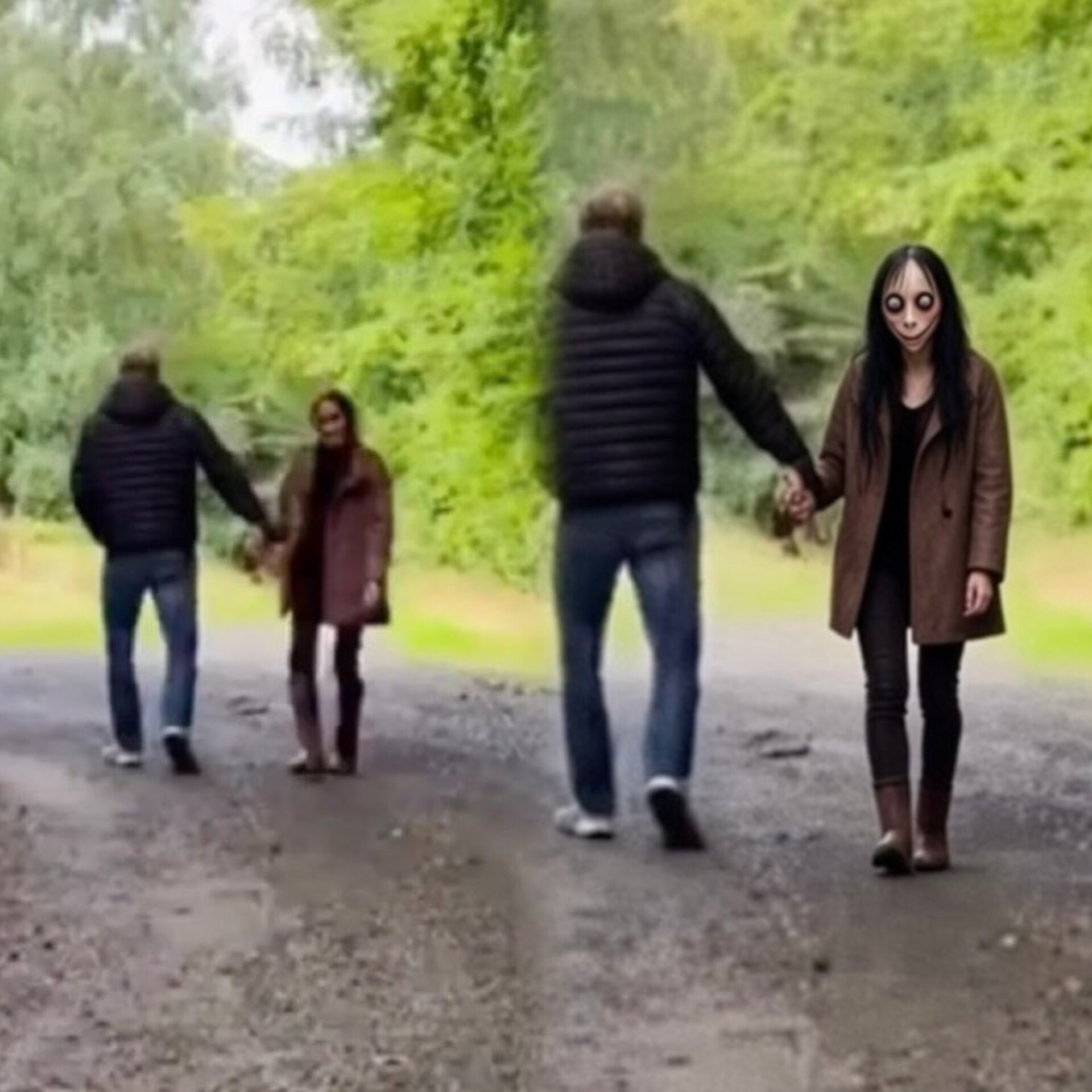
Royal watchers did what they always do with Meghan’s posts. They paused, they screenshot, they zoomed. One account posted an unretouched frame from the walking clip. Another zoomed further. The resulting images — the original soft-focus stroll and the harshly enlarged version that makes the scene look unnatural — spread fast. Some users went further and applied the kind of grotesque filter that turns a PR still into something out of a cheap horror movie. The joke wrote itself: the more you inspect the “authentic” moment, the less authentic it looks.
That is the Sussex pattern in miniature.
They left senior royal life in 2020 complaining about intrusion, media cruelty, and the impossibility of a normal existence. They moved to California, built a commercial machine, and spent years lecturing the world about privacy, trauma, and the dangers of performative social media. Harry himself once warned that curated “perfect life” videos make other people feel inadequate. Now he is in the video. Meghan is directing the aesthetic. The children are in the frame (faces mostly hidden, voices and activities not). The dog is branded. The countryside is set-dressed. The caption does the rest.
Commentator Kinsey Schofield called it what it is: hyper-curated hypocrisy. If privacy were actually the priority, you would stop feeding millions of strangers carefully selected slices of your children’s lives. Hiding faces does not cancel the attention you deliberately generate. Tom Sykes noted the extra layer of gall: Harry understood in 2017 how fake and damaging this kind of packaging can be. He is doing it anyway.
The timing makes it worse. The family returned to the UK in late August after six years away. Archie and Lilibet started school. King Charles, through the Lord Chamberlain, then issued a letter making the status official and public: they are not working royals, HRH styles remain in abeyance, and their position is “akin to private citizens with commercial and charitable interests.” The Sussex camp said they were “a little surprised.” Palace sources said they had been informed. Either way, the Palace drew a line. Meghan’s response was to post a glossy family reel with British-flag emojis.
Piers Morgan’s verdict on the couple’s preference for being treated as “public figures” rather than private citizens was blunt: he prefers “grifters.” That word fits the current chapter. They want the prestige and the platform that still attaches to Harry’s name and Meghan’s title. They also want to sell the lifestyle brand, control the narrative, and complain when anyone examines the product too closely.
The zoomed photos and the AI speculation are symptoms, not the disease. Some of the wilder claims — that entire scenes were generated, that Meghan was not even in the country — go further than the evidence. Still frames from the actual Instagram video match what major outlets reported as genuine family footage. But the instinct to scrutinize is rational. This couple has a long record of heavily produced images, edited presentations, and stories that shift when inconvenient details surface. When the latest “intimate” video contains weather and wardrobe mismatches and a fishing backdrop that immediately invites location debates, people are entitled to ask whether they are looking at life or at another round of image management.
Meghan has always treated image as strategy. Seating at a basketball game becomes a status slight. A holiday card becomes a Photoshop debate. A countryside walk becomes content. Harry, once the spare who talked about the damage of the spotlight, now participates in the same spotlight machine he used to condemn — as long as it is their camera, their edit, their soundtrack. He looks, in that walking shot, like a man being led down a path he no longer controls.
That is the picture that survives the zoom. Not a horror-movie face. Something more ordinary and more depressing: a couple who cannot stop performing the life they claim they fled to protect, and who still expect the public to clap for the performance while being told not to look too hard.