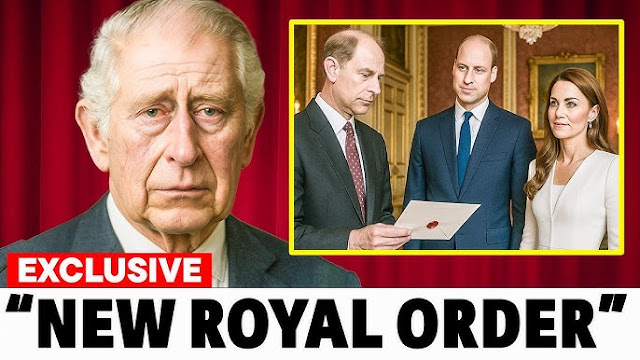
For the first time in royal history, the quiet and composed Duke and Duchess of Edinburgh—Prince Edward and his wife, Sophie—have taken on a significant state role at Balmoral, marking a new era in the evolution of the British monarchy. This was not just another royal engagement; it was a symbolic moment that showed how the monarchy is subtly shifting its focus and preparing for the future.
Balmoral has always been more than a royal residence—it’s a place of deep emotion, family memories, and tradition. For decades, it was the late Queen Elizabeth II’s summer sanctuary, where she found peace away from the pressures of the crown. Now, King Charles has opened this private chapter of royal life to a new generation of trusted family members. Inviting Edward and Sophie to take an official role there speaks volumes about his confidence in them and the direction the monarchy is taking under his reign.
Observers noticed the tone of the event was different—less formal, yet deeply respectful. Edward, often seen as the most understated of the late Queen’s children, carried himself with quiet authority. Sophie, radiant yet poised, balanced warmth with professionalism, reflecting her deep understanding of the public mood and her growing importance within the Royal Family. Together, they brought a sense of calm continuity to a monarchy still adjusting to a changing world.
The Duke and Duchess’s appearance at Balmoral also symbolizes something more strategic: King Charles’s plan to redefine what a “working royal” means. With the family’s younger members living abroad or stepping back from royal duties, there’s an increasing need for stability and loyalty within the core circle. Edward and Sophie fit that role perfectly. They have never sought headlines or controversy. Instead, they’ve built their reputation on years of steady, reliable service—quietly representing the Crown across the UK and abroad, supporting causes close to their hearts, and avoiding the drama that has surrounded other branches of the family.
What makes their new position so meaningful is how it connects to the monarchy’s future image. Both are seen as relatable figures—modern, approachable, and down-to-earth. Sophie, in particular, has become a favorite among the public for her genuine compassion and ability to connect with ordinary people. Her work with survivors of sexual violence and support for charities tackling blindness have earned her deep respect. Edward, meanwhile, has carried forward his father’s legacy through the Duke of Edinburgh’s Award, championing youth development and leadership.
At Balmoral, the couple’s presence represented both the memory of the past and the promise of the future. Standing in the very place where Queen Elizabeth found solace and strength, Edward and Sophie symbolized the quiet continuation of her values—duty, grace, and service without self-interest. The moment they stepped forward in their new role, it wasn’t just another royal engagement; it was the beginning of a more refined era where dedication matters more than glamour, and sincerity outweighs spectacle.
As the royal family continues to balance tradition with modern expectations, Edward and Sophie’s new prominence couldn’t come at a better time. They embody what the Crown now needs most—trust, steadiness, and genuine devotion to public service. In many ways, Balmoral was the perfect stage for this historic step. It wasn’t about grandeur or titles; it was about quiet leadership, the kind that endures long after the cameras are gone.
The Duke and Duchess of Edinburgh may have once been considered background figures in the royal story—but at Balmoral, they stepped firmly into the light. And with that, a new royal chapter has truly begun.