In the long, complicated saga surrounding Meghan Markle and the British monarchy, few statements have provoked as much quiet disbelief as this one.
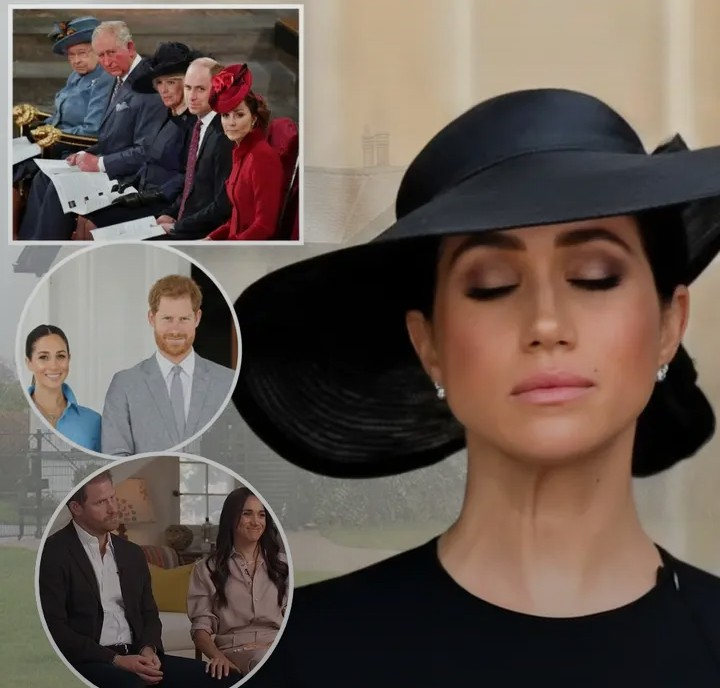
Meghan has suggested that, while living at Frogmore Cottage, she believed members of the Royal Family were conspiring against her.
To American ears, the claim may sound familiar — a story of power, isolation, and an institution closing ranks. In the U.S., such narratives often resonate instinctively. We are, after all, a culture trained to question authority.
But in Britain, and increasingly among longtime royal observers in the United States, this assertion has landed differently.
Not with outrage.
But with exhaustion.
Frogmore Cottage: Context Americans Rarely Hear
null
To understand why this claim feels jarring, Americans need context that rarely makes headlines.
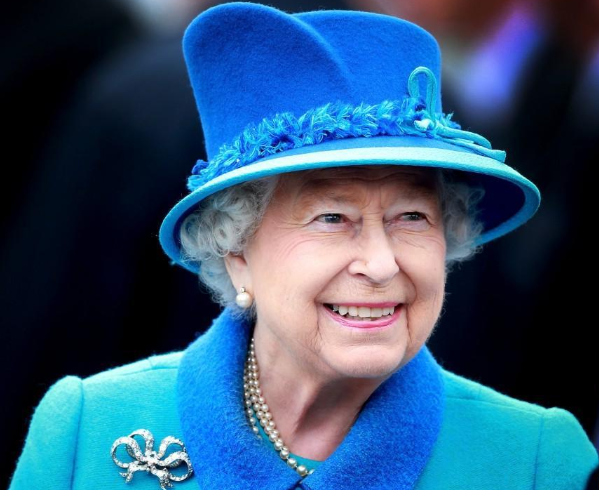
Frogmore Cottage was not exile. It was a gift from Queen Elizabeth II herself. A private residence within the secure Windsor estate. Full police protection. Distance from intrusive media. Proximity to the Queen.
For many working royals — and certainly for the British public — Frogmore symbolized trust and privilege.
So when Meghan speaks of suspicion and conspiracy during that period, critics ask a blunt question:
who, exactly, was plotting — and how?
No names have been offered.
No actions described.
No evidence produced.
Only a feeling.