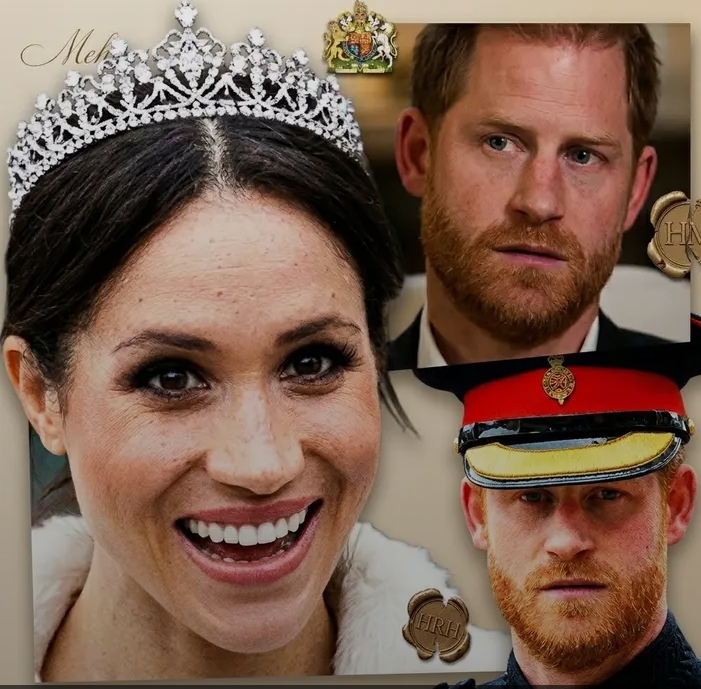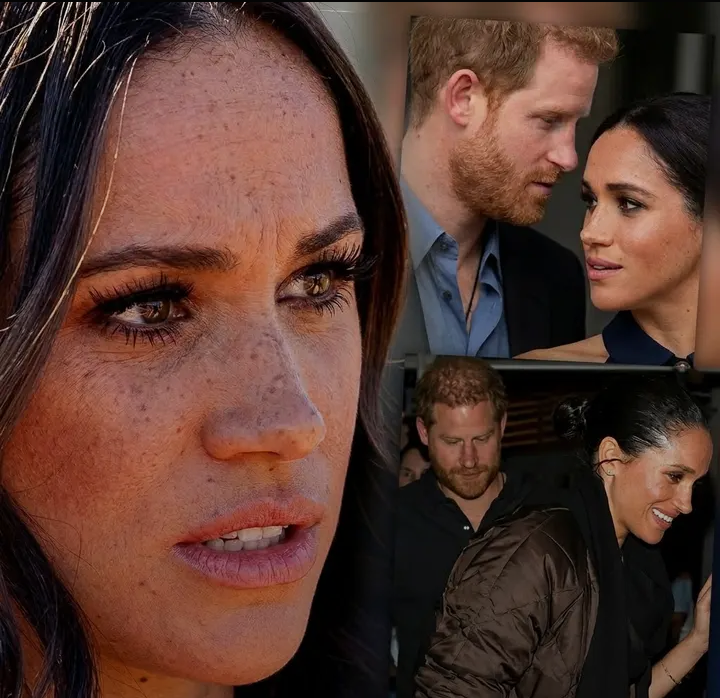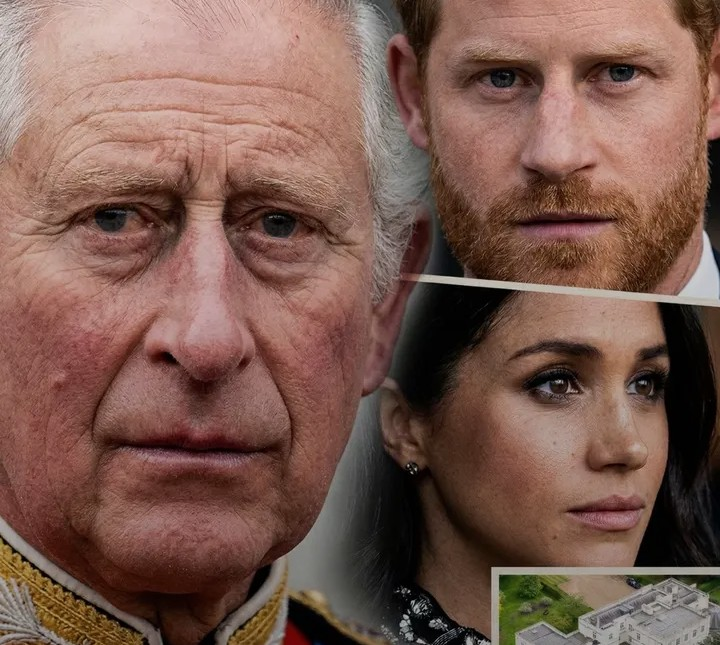
The latest wave of speculation surrounding Prince Harry and Meghan Markle has once again thrown the British royal narrative into turmoil. According to circulating rumors, the Duke and Duchess of Sussex are allegedly eyeing Royal Lodge as their new base in the United Kingdom should they return for an extended period. Royal Lodge, long associated with Prince Andrew, has become symbolically entangled in ongoing controversies surrounding his public standing. The mere suggestion that Harry and Meghan would position themselves there — at a time when headlines continue to swirl around Andrew — struck many observers as strangely strategic.Why Charles Let Andrew Stay at Royal Lodge — But Evicted Harry and Meghan (No, It’s Not Their US Move) – The Royal Observer
The timing raised eyebrows for a reason. Only days before the Royal Lodge rumors erupted, reports claimed the Sussexes had quietly reopened lines of communication with senior members of the royal household. Some tabloid narratives even framed them as potential “modernizers” capable of helping stabilize the monarchy’s image amid reputational strain. To critics, the narrative felt almost too coordinated — as though one storyline was designed to reinforce the next. Social commentators quickly pointed out how seamlessly the supposed return plan overlapped with talk of an institutional “rescue.”Royal baby lie exposed: How Meghan and Harry misled the public with announcement | New Idea
Then came the explosive twist: unnamed sources claimed King Charles III had privately agreed to the arrangement, allegedly seeing Royal Lodge as a practical solution for giving the Sussexes a defined British base. Even more dramatic were suggestions that Prince William strongly opposed the idea, interpreting it as disruptive and unnecessary. The image painted was one of internal disagreement at the highest levels of the monarchy — a father seeking reconciliation, a brother pushing back.Meghan Markle and Prince Harry Have Made Their Big Move | Vanity Fair
But royal experts were swift in challenging the credibility of these claims. Several commentators familiar with palace operations emphasized that housing arrangements tied to Crown Estate properties are far more complex than rumor mills suggest. Royal Lodge, in particular, is not a symbolic chess piece to be casually reassigned. Analysts noted that such decisions involve legal, financial, and logistical layers that would make a sudden approval highly improbable. One veteran royal correspondent described the reports as “a narrative leap built on very thin air.”
Public reaction reflected a growing fatigue with cyclical speculation. Many readers questioned why similar patterns keep emerging: a dramatic claim, an apparent palace approval, then a rapid correction. On social media, some voices expressed skepticism that the Sussexes would pursue a residence so politically loaded. Others argued that framing them as would-be “saviors” of the monarchy stretches plausibility, especially given the lingering tensions following their departure from official duties in 2020.
Observers outside the royal orbit also weighed in. A cultural analyst interviewed on a London radio program suggested that the rumor cycle itself may be more revealing than any property decision. “Every time a crisis narrative builds around the monarchy, the Sussexes’ names reappear in proximity to it,” she noted. “It creates a sense of parallel storylines — conflict and comeback, rejection and reconciliation.” Her remark captured what many readers quietly suspect: that perception often overtakes substance in royal reporting.
What ultimately deflated the Royal Lodge rumor was the absence of formal confirmation and the swift clarifications from individuals close to palace operations. No official statement indicated a housing shift, nor any structured plan for a Sussex relocation tied to that estate. Without documentation or direct acknowledgment, the story began to look less like an imminent relocation plan and more like another episode in the long-running saga of speculation.
In hindsight, the episode revealed how easily public discourse can be steered by carefully timed suggestions. Linking the Sussexes to Royal Lodge — particularly amid ongoing scrutiny of Prince Andrew — created immediate drama. Adding an alleged disagreement between King Charles and Prince William amplified it further. Yet once experts dissected the logistics and historical context, the narrative appeared far less solid than the headlines implied.
For readers, the broader lesson may lie in recognizing the pattern. Stories that combine crisis, reconciliation, and property intrigue almost guarantee attention. But as this latest chapter shows, dramatic alignment does not automatically equal factual foundation. Until verifiable evidence emerges, the Royal Lodge scenario remains just that — a rumor. And in the intricate theater of royal reporting, rumors can sometimes reveal more about public appetite for drama than about the monarchy itself.