In the world of royalty, every gesture is scrutinized, and every action is steeped in tradition. The British royal family, in particular, is known for adhering to a strict code of conduct that governs their behavior in public. One of the most notable rules is the expectation of maintaining a certain level of decorum, which includes limited physical affection between members of the royal family. However, recent public appearances by Prince William and Princess Catherine have caught the attention of the media and royal watchers alike, as the couple has been seen breaking this long-standing rule with rare displays of affection.
The British royal family has long been associated with a set of unwritten rules that dictate their behavior in public. These guidelines have evolved over centuries, shaped by societal expectations and the need for a dignified public image. Historically, members of the royal family have been expected to maintain a composed demeanor, avoiding any actions that could be perceived as overly familiar or informal. This includes limiting physical contact, such as holding hands, hugging, or displaying other forms of affection.
:max_bytes(150000):strip_icc()/WilliamKate-23e2bc44dfa64b3faec40e0b1a018eec.jpg)
The rationale behind these rules is rooted in the tradition of monarchy as a symbol of stability and authority. The royal family is seen as a representation of the nation, and any deviation from established norms can be interpreted as a departure from the values that the monarchy embodies. As such, public displays of affection have often been viewed as inappropriate, especially for senior royals.
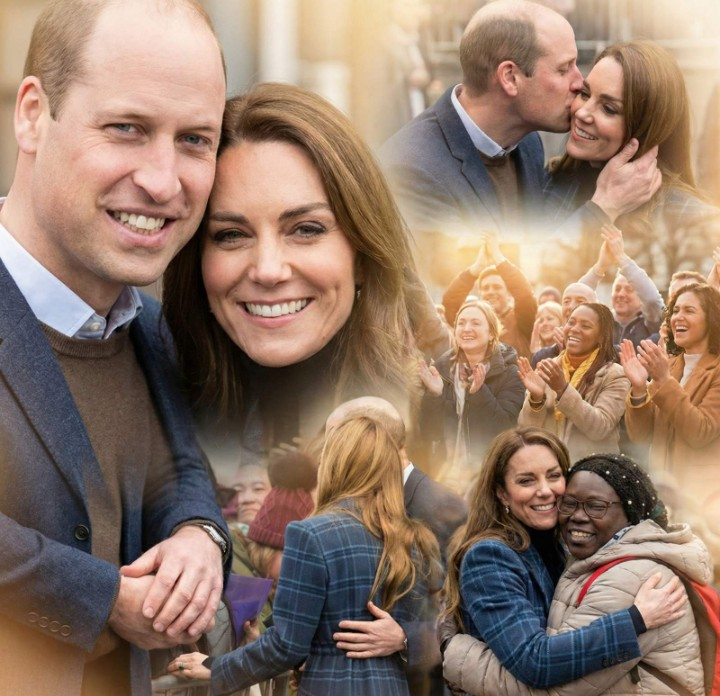
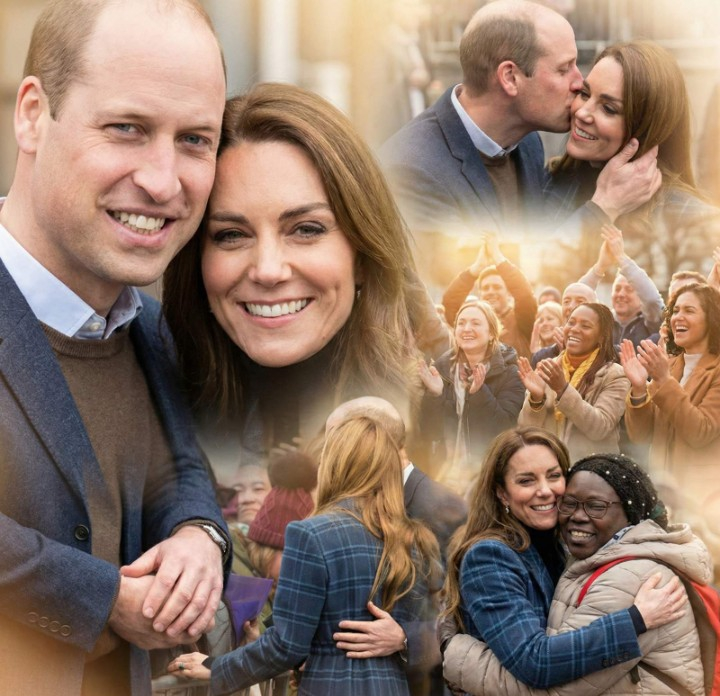
In recent months, Prince William and Princess Catherine have been spotted engaging in affectionate gestures during several public engagements. From holding hands to gentle touches on the back, these moments have sparked conversations about the evolution of royal protocol and what it signifies for the future of the monarchy.
One notable instance occurred during a charity event, where the couple was seen sharing a laugh and leaning into each other, a stark contrast to the more reserved demeanor typically expected from royals. These instances, while seemingly small, represent a significant shift in how the royal family is choosing to present itself to the public.

The royal family’s willingness to embrace a more relaxed approach to public displays of affection can be seen as a reflection of changing societal norms. In an era where authenticity and relatability are highly valued, the monarchy faces pressure to adapt and connect with younger generations. Prince William and Princess Catherine’s actions may signal a desire to modernize the royal image, making it more accessible and relatable to the public.
Moreover, the couple’s approach aligns with broader trends in celebrity culture, where public figures often share intimate moments with their partners. This shift could be interpreted as a strategic move to enhance the royal family’s popularity and relevance in contemporary society.
The public’s response to Prince William and Princess Catherine’s affectionate displays has been varied. Many royal fans have welcomed the change, viewing it as a refreshing departure from the rigid traditions of the past. Supporters argue that these moments of warmth humanize the royal couple, allowing them to connect more deeply with the public.

Conversely, some traditionalists express concern that such displays could undermine the dignity of the monarchy. Critics argue that the royal family should maintain a level of formality that reflects their status and responsibilities. This ongoing debate highlights the tension between tradition and modernity within the institution.
As Prince William and Princess Catherine continue to navigate their roles within the royal family, their recent displays of affection may signify a broader shift in the monarchy’s approach to tradition and public engagement. While the couple’s actions may challenge established norms, they also reflect a desire to connect with the public in a more genuine way.
Ultimately, the evolution of royal protocol will likely continue to spark discussions about the balance between tradition and modernity. As society changes, so too must the institutions that represent it. Whether these rare displays of affection become a regular feature of royal engagements remains to be seen, but one thing is clear: Prince William and Princess Catherine are not afraid to break the mold, paving the way for a more relatable and accessible monarchy in the 21st century.