### EXPOSED: Why “Meghan Markle” Is No Longer Just a Name – It’s Now a Clinical Diagnosis for Chronic Overexposure, Endless Victimhood, and a Totally PR-Fabricated Persona! **By Celebrity Culture Analyst, December 30, 2025** In the relentless churn of celebrity culture, few figures have managed to transform their own name into a shorthand for self-inflicted downfall quite like Meghan Markle.
Once a mid-tier actress best known for her role on *Suits*, the Duchess of Sussex has, in just five short years post-Megxit, redefined her brand – not as a royal trailblazer or lifestyle guru, but as the embodiment of chronic overexposure, manufactured victimhood, and a personality so meticulously curated by public relations teams that it borders on artificial. Insiders, critics, and exhausted observers alike are now whispering (and sometimes shouting) that “Meghan Markle” isn’t just a person anymore – it’s a diagnosis. As 2025 draws to a close, the evidence is overwhelming.
The year that was supposed to be Meghan’s triumphant reinvention – complete with a glossy Netflix lifestyle show, a rebranded online shop, and a return to podcasting – has instead become a masterclass in how relentless self-promotion can backfire spectacularly. From scathing reviews of *With Love, Meghan* to yet another staff exodus at Archewell, the Duchess’s every move seems engineered for maximum visibility, only to invite maximum backlash. And at the heart of it all? A narrative of perpetual grievance that has worn thinner than her much-mocked strawberry jam. Let’s start with the overexposure – the symptom that’s impossible to ignore. Meghan kicked off 2025 with a bubbly Instagram comeback, teasing “big things” ahead.
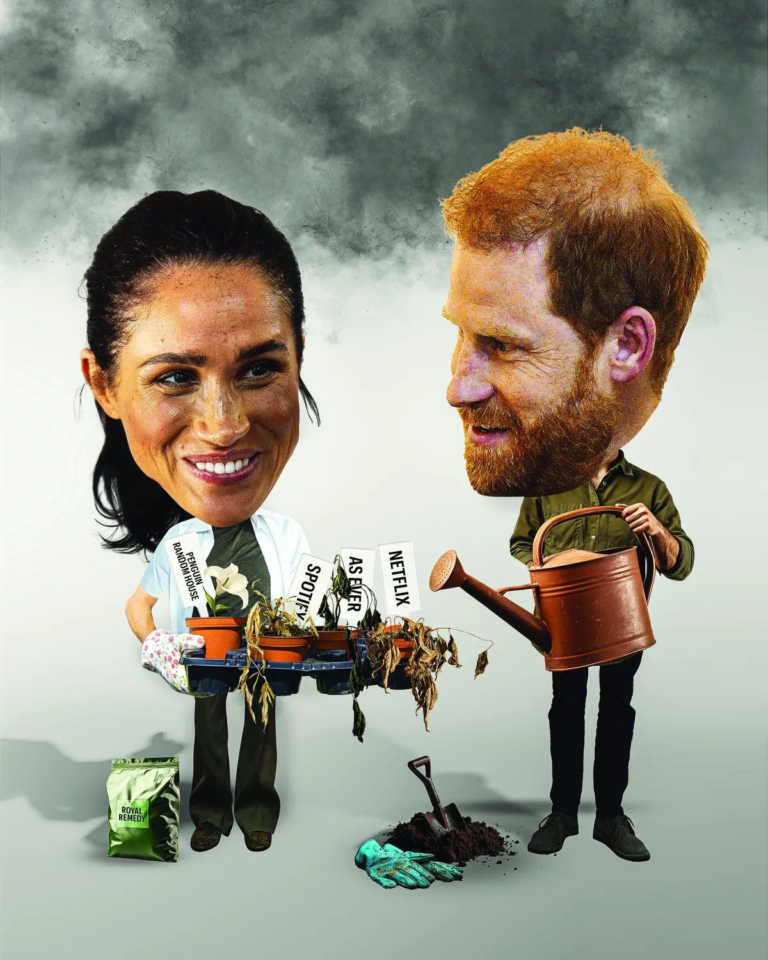
What followed was a barrage: the launch of her lifestyle brand (first American Riviera Orchard, hastily rebranded to As Ever after trademark woes), jars of artisanal jam sent to A-listers, a Netflix cooking series where she crafted bath salts and one-pot pasta, a business podcast called *Confessions of a Female Founder*, and endless newsletters hawking everything from edible flower sprinkles to Brut champagne. It was meant to position her as America’s relatable domestic goddess. Instead, it flooded the market, turning excitement into exhaustion. Critics were brutal. Her Netflix show *With Love, Meghan* – delayed initially due to California wildfires, then released to a chorus of groans – was savaged as inauthentic and tone-deaf. One reviewer quipped that guests looked like they’d been “kidnapped” into making lavender syrup.
Even U.S. outlets, once sympathetic, piled on. By year’s end, Meghan topped Ranker’s list of most disliked celebrities, a position held with grim consistency amid a pile-up of forgotten projects: quasi-royal tours to Nigeria and Colombia that went nowhere, a polo docuseries that bombed, and staff turnover so high that her 10th communications hire lasted mere months. This overexposure isn’t accidental; it’s symptomatic of a deeper issue – a personality constructed almost entirely by PR machinery.
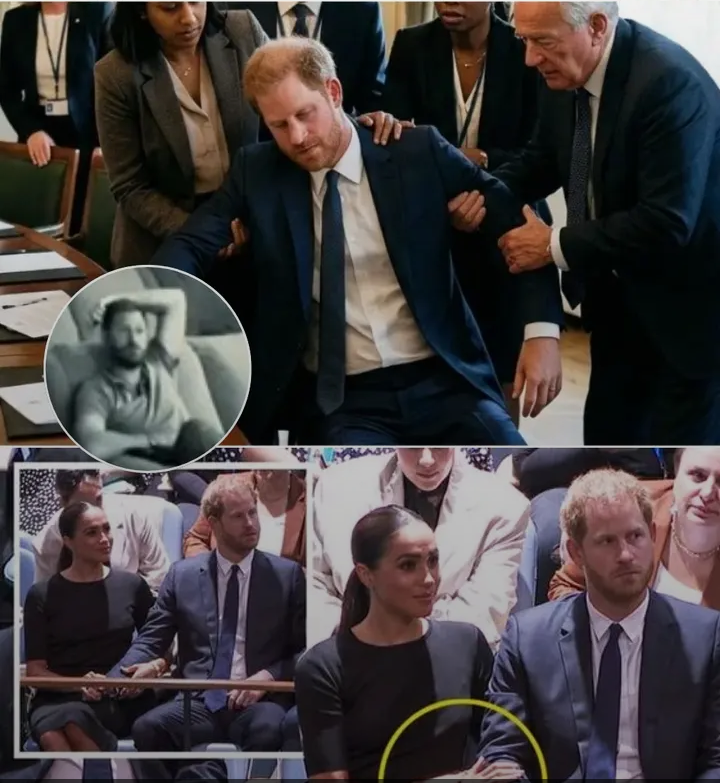
Sources close to the Sussexes describe a revolving door of advisors desperately trying to polish an image that keeps cracking under scrutiny. From hiring Silicon Valley spin doctors to micromanaging photo deletions at high-profile events (like Kris Jenner’s birthday bash), every public appearance feels staged. Even her 2025 Christmas card drew accusations of Photoshop manipulation, with critics spotting “suspicious details” in family snaps. And when staff flee – including longtime aide James Holt and Chief Communications Officer Meredith Maines announcing exits just days ago – the narrative shifts to “inspiring work” rather than the reported chaos behind the scenes. But perhaps the most defining “diagnosis” is the chronic victimhood.
No matter the triumph or flop, Meghan frames herself as the embattled underdog. Social media toxicity? She’s the ultimate victim, despite her own platforms amplifying drama. Bad reviews? Blame the haters. Staff complaints of a tough work environment (echoing old bullying allegations)? Crickets, or a pivot to empowerment talks.
Psychotherapists and commentators have called it out: this “perpetual victim narrative” garners sympathy short-term but tires the public long-term. As one expert noted, it spotlights individual struggles while ignoring accountability, turning potential empathy into eye-rolls. Comedians like Tim Dillon have roasted her for pulling off the ultimate feat: playing the victim while living in a Montecito mansion. Even supporters admit the exhaustion – backlash in 2025 shifted from anger to fatigue. Why? Because the story never changes. From royal “racism” claims to cyberbullying woes, it’s always someone else’s fault.
Yet, when her father faces health crises or family ties fray, the victim card stays curiously holstered. Meghan’s defenders argue she’s a trailblazer smashing barriers in a stuffy institution. But five years out, the pattern is clear: ambitious ventures announced with fanfare, underwhelming delivery, followed by grievance when the world doesn’t bow. American Riviera Orchard’s jam hype fizzled into sporadic sales; *Archetypes* podcast promises remain delayed; Netflix deals teeter amid poor viewership.
As PR experts advise a “reset” for 2026 – focusing on consistency and credibility rather than scattergun launches – the question lingers: Can Meghan dial back the overexposure, drop the victim act, and reveal something authentic? Or has “Meghan Markle” become too entrenched as a syndrome of modern celebrity – one where PR constructs a facade so thick, the real person vanishes beneath it?
In a world craving genuineness, the Duchess’s diagnosis is self-inflicted. And as confetti (or flower sprinkles) falls on another year, royal watchers and pop culture observers agree: it’s time for a cure – or at least a break from the spotlight. *Drawing from public reports, expert commentary, and cultural analysis throughout 2025.*