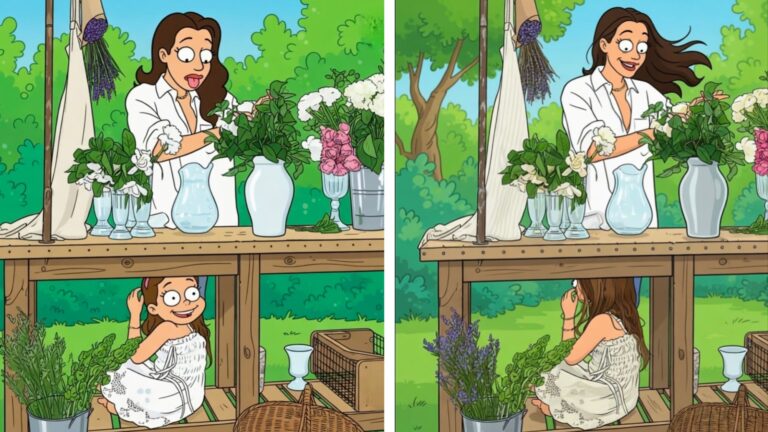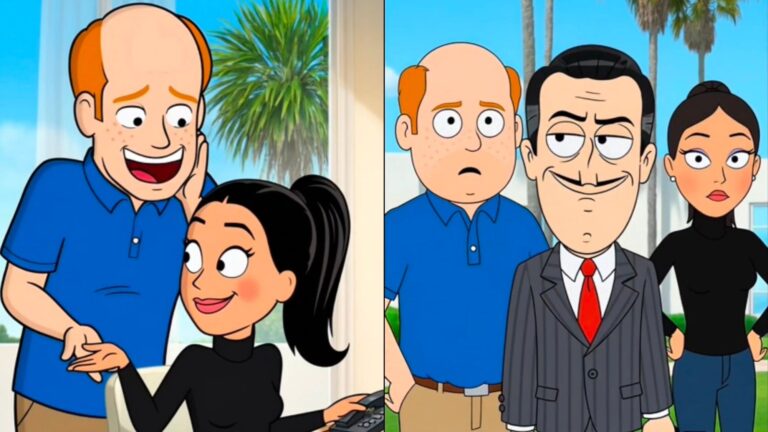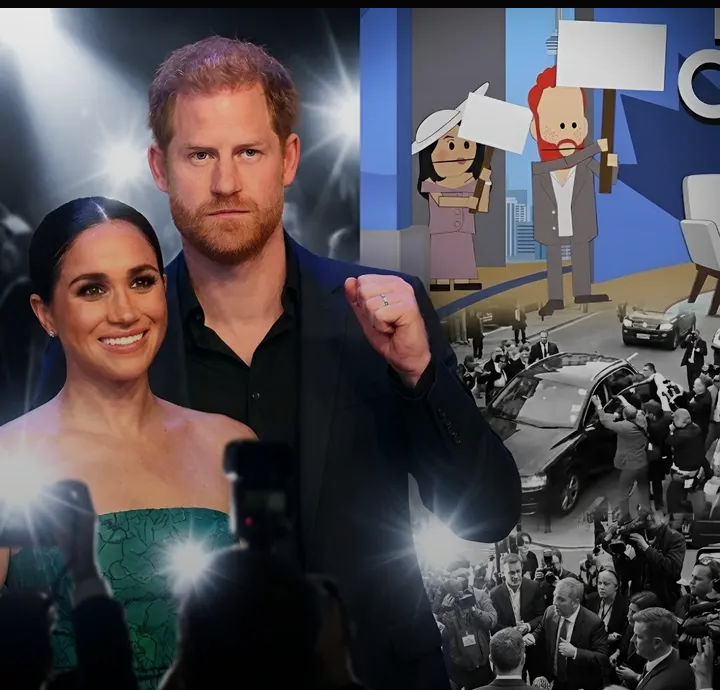
The latest episode of Family Guy has reignited a familiar controversy, placing Prince Harry and Meghan Markle back in the crosshairs of pop-culture satire. This time, viewers say the joke cut deeper—not just because of its punchline, but because of what it suggests about how firmly the Sussexes have become part of the show’s comedic universe.
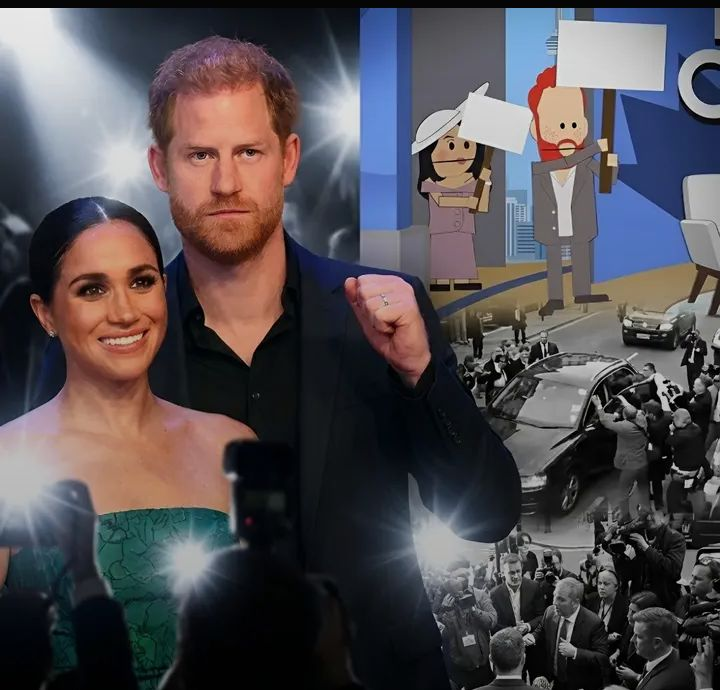
Family Guy’ mocks Prince Harry and Meghan Markle in episode again | Fox News
In the episode, a throwaway gag places Harry and Meghan alongside some of history’s most infamous moments, a classic “rule of threes” setup designed to shock and amuse. The humor is intentionally outrageous, but the follow-up cutaway—showing a cartoon Harry reacting to the joke—adds an extra layer. It’s self-aware, irreverent, and unmistakably pointed. One viewer commented online, “When a show mocks you twice, you’re no longer a one-off target—you’re a fixture.”
Prince Harry and Meghan Markle break their silence on claims they’re suing South Park
This isn’t the first time the couple has been lampooned. Two years earlier, Family Guy poked fun at their post-royal media deals, depicting them lounging poolside while money from streaming contracts rolls in. The humor then leaned toward parody of celebrity excess. Now, critics argue, the tone has sharpened. “The joke isn’t just about money anymore,” a television critic noted. “It’s about relevance—and whether they’ve become shorthand for cultural fatigue.”\Prince Harry and Meghan Markle respond to claims they’re suing South Park for episode mocking
Public reaction has been predictably split. Fans of the show defend the gag as fair play. Family Guy has long built its reputation on refusing sacred cows, from politicians to pop stars. “If you’re famous enough, you’re fair game,” one supporter wrote. Others feel the comparison went too far, accusing the writers of cruelty rather than cleverness. A reader countered, “Satire punches up—or it should. This felt personal.”
Meghan Markle reportedly “upset & overwhelmed” by South Park episode & more | Today’s Headlines
What has fueled curiosity, however, is the reported reaction behind the scenes. While neither Harry nor Meghan has addressed the episode publicly, sources cited by entertainment outlets claim Meghan was “upset and overwhelmed” by similar satire in the past and chose not to watch it in full. That detail has become a focal point of discussion, not least because it contrasts sharply with the couple’s public insistence that they can handle criticism. “If you say you’re unbothered,” one commentator observed, “silence becomes part of the story.”
The situation is complicated by precedent. Another animated juggernaut, South Park, devoted an entire episode to mocking the Sussexes’ perceived contradictions—demanding privacy while courting attention. That episode went viral, embedding phrases and images into internet culture almost overnight. While the Sussexes did not respond publicly, reports suggested the portrayal struck a nerve. Together, these moments suggest a pattern: once satire lands, it sticks.
Media analysts argue this is less about personal offense and more about image control. “Comedy removes the ability to curate,” said a branding consultant. “You can manage interviews and projects, but you can’t manage jokes.” For figures who have invested heavily in shaping their narrative, becoming a recurring punchline can feel destabilizing. It reframes power dynamics, placing the audience—and the comedian—firmly in control.
At the same time, the repetition raises questions about why Harry and Meghan attract this particular brand of humor. Some say it’s because their story sits at the intersection of royalty, celebrity, and grievance—a potent mix for satirists. Others suggest the fatigue factor is real. “People aren’t angry anymore,” a cultural commentator noted. “They’re amused—and that’s worse for public figures.”
Supporters of the Sussexes argue that animation exaggerates by design and that reacting would only feed the cycle. “Ignoring it is the smartest move,” one fan wrote. “Comedy thrives on outrage.” Yet critics counter that avoidance can read as confirmation that the joke landed. In an age where silence is scrutinized, not responding doesn’t necessarily mean not reacting.
The broader implication is about status. Being parodied by Family Guy places Harry and Meghan in a lineage that includes presidents, icons, and celebrities at their cultural peak. But it also signals something else: normalization. They are no longer treated as exceptional figures whose story requires reverence. They are characters—recognizable, referential, and reusable. As one viewer put it, “You don’t get mocked twice unless you’ve become a trope.”
Whether this episode marks a turning point or simply another chapter remains to be seen. What is clear is that satire has a way of reshaping narratives faster than statements or press releases ever could. Laughter travels farther than rebuttal, and animated jokes linger long after credits roll.
For now, the question isn’t whether Family Guy crossed a line. It’s why the line keeps moving—and why the Sussexes keep finding themselves on the punchline side of it. If public ridicule is the price of cultural saturation, then this episode suggests Harry and Meghan have fully arrived. The only uncertainty is how comfortable they are with the seat they’ve been given.