HARRY’S FURY! THE EXPLOSIVE REACTION AFTER KING CHARLES CUTS OFF THE TAXPAYER PURSE!
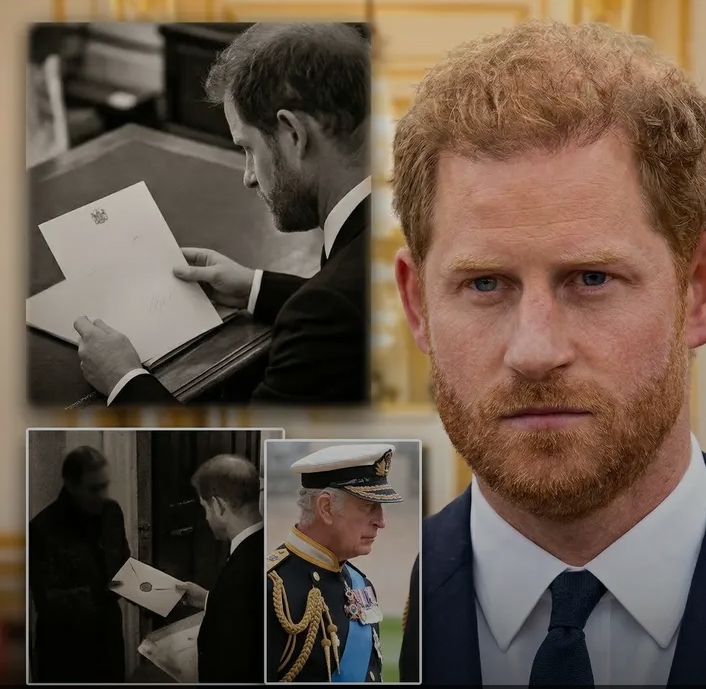
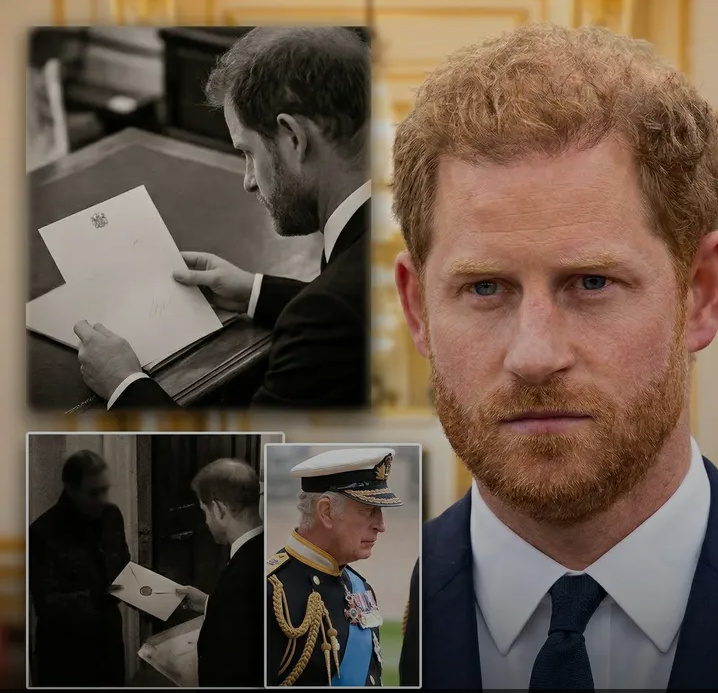
The cold war between Prince Harry and King Charles III has reached a boiling point following a direct confrontation over the Royal Family’s bank accounts. Insiders reveal that Harry reacted with visible anger when the King officially refused to authorize taxpayer-funded assistance for the Sussex family’s international travel and security. While Harry argues that his status as a Prince entitles him to protection, the King’s “Work to Eat” policy has effectively barred him from the public purse forever. The secret memo from Buckingham Palace that details the exact moment the funding was frozen and the shocking reason why Harry believes he is being “singled out” is actually…
The “Security Stalemate”: King Charles, Prince Harry, and the Cost of Independence
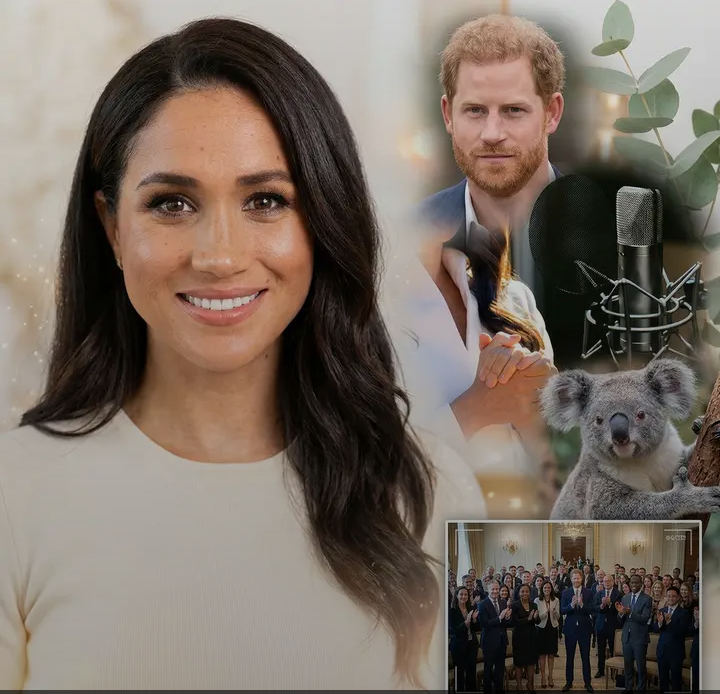
As the April 2026 tour of Australia and New Zealand approaches for Prince Harry and Meghan Markle, the debate over who should foot the bill for their protection has reached a boiling point. The friction is not merely a family dispute; it is a fundamental clash over the definition of “royal support” for those who have chosen a private path.
While social media headlines suggest a new “angry explosion” from the Duke, the reality is a complex legal and institutional standoff that has been building for over four years.
The King’s Firm Line: “I Am Not a Bank”
King Charles III has reportedly remained steadfast in his “slimming down” of the monarchy, a policy that explicitly separates public funding from non-working members of the family.
The Taxpayer Threshold: In March 2026, palace sources reinforced that the King is “adamant” that taxpayer funds are reserved for those performing official duties on behalf of the Crown. This stance has been applied consistently, even to the King’s brother, Andrew Mountbatten-Windsor, who was recently told he must meet his own legal costs following his arrest in late February.
The “Bespoke” Compromise: Currently, Harry is not entitled to automatic, 24/7 police protection. Instead, he must provide 30 days’ notice before visiting the UK, at which point the RAVEC committee (the Executive Committee for the Protection of Royalty and Public Figures) performs a case-by-case risk assessment.
The Financial Separation: Reports of Harry’s “anger” often reference historical conversations where the King reportedly told the late Queen Elizabeth II that he was “not a bank,” emphasizing that Harry’s private commercial ventures—such as his Netflix deals and lifestyle brands—were intended to provide the very independence he sought.
The RAVEC Legal Battle: A March 2026 Turning Point
The “fresh storm” mentioned in recent reports is tied to Harry’s ongoing legal fight to regain automatic security.
The Stalker Incident: In late 2025, a security breach during Harry’s visit to London—where a stalker reportedly got within a “stone’s throw” of the Duke—led his legal team to argue that the “bespoke” model is insufficient.
The Recent Appeal: On January 21, 2026, Harry’s request for a full judicial review of his security status was back in the headlines. While some outlets reported he “won” a right to protection, the Home Office clarified that the system remains “rigorous and proportionate,” with no automatic reinstatement of taxpayer funding.
The Constitutional Tension: The King faces a difficult dilemma: if he intervenes to grant Harry security, he risks a massive public backlash from taxpayers; if he remains silent, he faces accusations of leaving his son and grandchildren “vulnerable.”
Comparison of Security & Funding
The “Faux Royal Tour” Controversy
The upcoming April trip to Australia has been dubbed a “faux royal tour” by critics because it mimics the structure of an official state visit without the diplomatic backing of the UK government. This has led to a viral petition in Australia demanding that local taxpayers also refuse to fund the couple’s security, mirroring the King’s own stance in London.
As the King prepares for his own US State Visit in late April to mark the 250th anniversary of independence, the divide between the “Official Crown” and the “Sussex Brand” has never been more visible.
The “Security Stalemate”: King Charles, Prince Harry, and the Cost of Independence
As the April 2026 tour of Australia and New Zealand approaches for Prince Harry and Meghan Markle, the debate over who should foot the bill for their protection has reached a boiling point. The friction is not merely a family dispute; it is a fundamental clash over the definition of “royal support” for those who have chosen a private path.
While social media headlines suggest a new “angry explosion” from the Duke, the reality is a complex legal and institutional standoff that has been building for over four years.
The King’s Firm Line: “I Am Not a Bank”
King Charles III has reportedly remained steadfast in his “slimming down” of the monarchy, a policy that explicitly separates public funding from non-working members of the family.
The Taxpayer Threshold: In March 2026, palace sources reinforced that the King is “adamant” that taxpayer funds are reserved for those performing official duties on behalf of the Crown. This stance has been applied consistently, even to the King’s brother, Andrew Mountbatten-Windsor, who was recently told he must meet his own legal costs following his arrest in late February.
The “Bespoke” Compromise: Currently, Harry is not entitled to automatic, 24/7 police protection. Instead, he must provide 30 days’ notice before visiting the UK, at which point the RAVEC committee (the Executive Committee for the Protection of Royalty and Public Figures) performs a case-by-case risk assessment.
The Financial Separation: Reports of Harry’s “anger” often reference historical conversations where the King reportedly told the late Queen Elizabeth II that he was “not a bank,” emphasizing that Harry’s private commercial ventures—such as his Netflix deals and lifestyle brands—were intended to provide the very independence he sought.
The RAVEC Legal Battle: A March 2026 Turning Point
The “fresh storm” mentioned in recent reports is tied to Harry’s ongoing legal fight to regain automatic security.
The Stalker Incident: In late 2025, a security breach during Harry’s visit to London—where a stalker reportedly got within a “stone’s throw” of the Duke—led his legal team to argue that the “bespoke” model is insufficient.
The Recent Appeal: On January 21, 2026, Harry’s request for a full judicial review of his security status was back in the headlines. While some outlets reported he “won” a right to protection, the Home Office clarified that the system remains “rigorous and proportionate,” with no automatic reinstatement of taxpayer funding.
The Constitutional Tension: The King faces a difficult dilemma: if he intervenes to grant Harry security, he risks a massive public backlash from taxpayers; if he remains silent, he faces accusations of leaving his son and grandchildren “vulnerable.”
Comparison of Security & Funding
The “Faux Royal Tour” Controversy
The upcoming April trip to Australia has been dubbed a “faux royal tour” by critics because it mimics the structure of an official state visit without the diplomatic backing of the UK government. This has led to a viral petition in Australia demanding that local taxpayers also refuse to fund the couple’s security, mirroring the King’s own stance in London.
As the King prepares for his own US State Visit in late April to mark the 250th anniversary of independence, the divide between the “Official Crown” and the “Sussex Brand” has never been more visible.