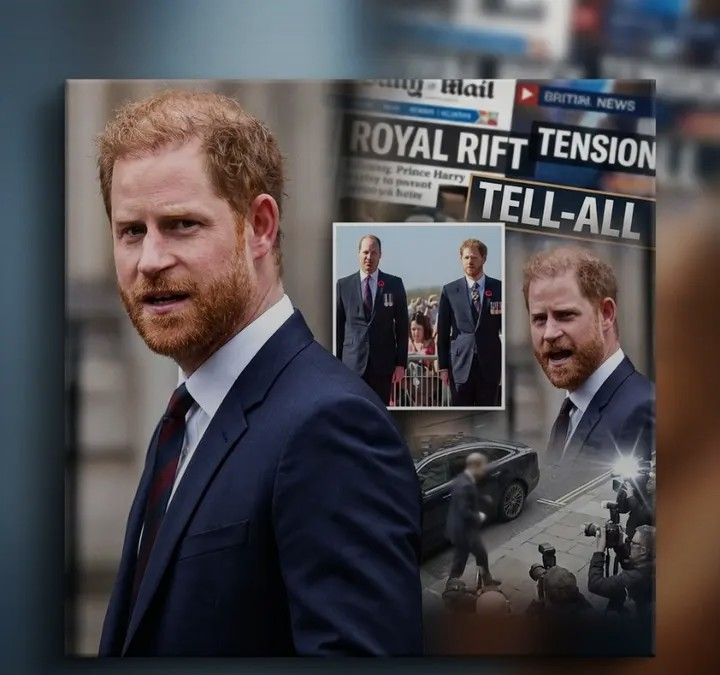
Prince Harry stepped into the witness box at London’s High Court this week to continue his legal battle against Associated Newspapers Limited, but it wasn’t only his testimony that caught attention. As cameras flashed and headlines focused on the Duke of Sussex’s ongoing war with the British press, a quieter detail began circulating among royal watchers: Harry’s outfit appeared to carry a message far beyond the courtroom walls — one seemingly directed straight at his estranged brother, Prince William.
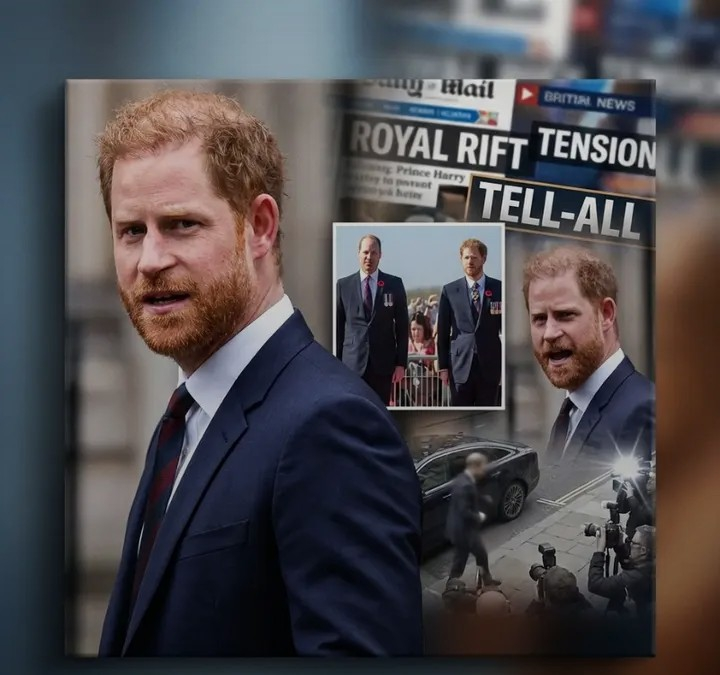
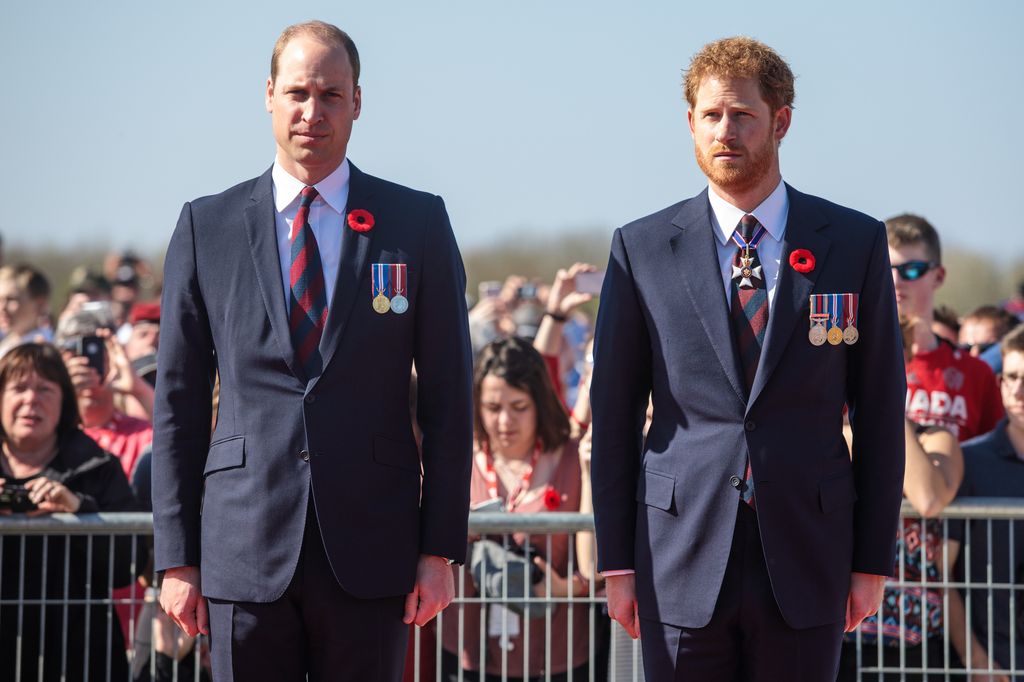
Dressed in a sharp navy suit, Harry looked composed and deliberate as he arrived to testify. What stood out, however, was his choice of tie. The burgundy-and-navy accessory was instantly recognizable to those who follow royal fashion closely. It was the same tie Harry last wore publicly in 2017, during a joint appearance with Prince William at the Canadian National Vimy Memorial in France. At the time, the brothers were united, photographed side by side in matching ties as they commemorated the centenary of the Battle of Vimy Ridge. That moment now feels like a relic from a different era — before the breakdown of their relationship and the deep divisions that followed.
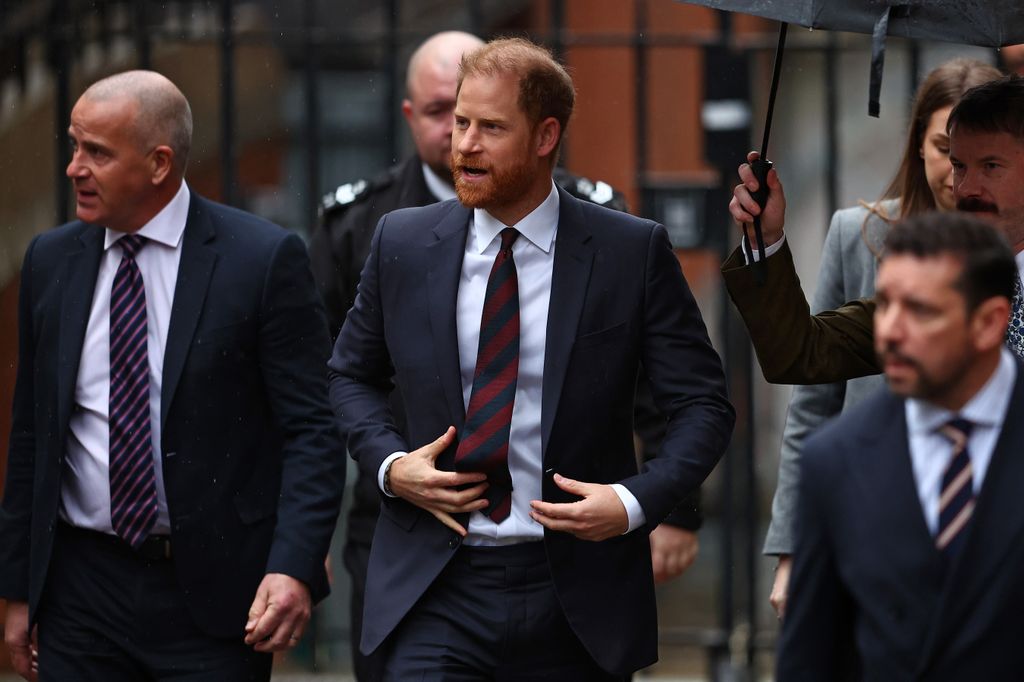
Fashion experts say such choices are rarely accidental. Laura Sutcliffe, Fashion and Beauty Editor, explains that royal wardrobes are meticulously planned, even for moments that appear routine. While male royals often rely on classic suits, accessories are frequently used to signal sentiment, continuity, or remembrance. Harry’s decision to revive a tie linked so closely to his brother has been widely interpreted as symbolic — a subtle nod to a time when their bond appeared unbreakable. To some observers, it suggests an attempt at quiet reconciliation, a reminder of shared history rather than a public plea.
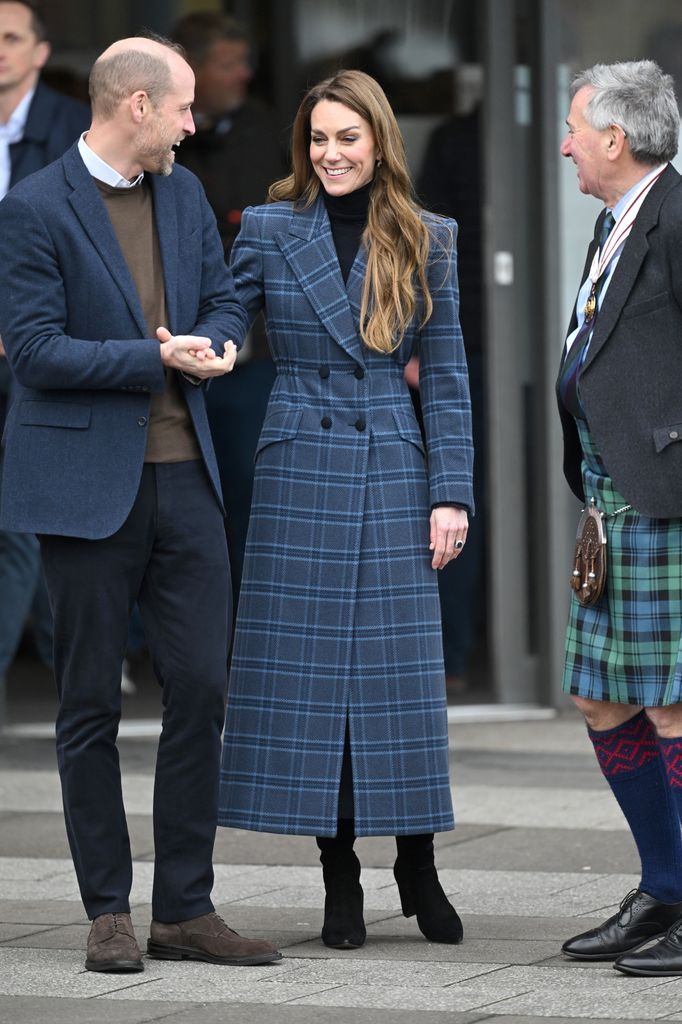
The timing of the gesture has only added to its intrigue. Harry is in London, yet noticeably absent from any family gatherings. There have been no public reunions, no shared engagements, and no visible contact with his brother. Meanwhile, Prince William has continued with his official duties as if nothing has changed. Alongside Princess Kate, he traveled to Stirling, Scotland, where the couple met with Team GB and Paralympic GB curling squads at the National Curling Academy ahead of the Winter Olympic and Paralympic Games. The visit was light-hearted and purposeful, with both William and Kate even trying their hand at curling themselves.
Kate’s appearance also carried quiet symbolism. She chose a blue tartan coat, widely seen as a respectful nod to Scottish heritage. For many royal followers, the contrast was striking: while Harry stood alone in a courtroom revisiting the past, William and Kate projected stability, continuity, and a future-focused monarchy. Some commentators noted that the imagery felt almost choreographed — one brother rooted in institutional duty, the other seeking validation through legal battles and symbolic gestures.
Elsewhere, senior members of the Royal Family remained fully engaged in public life. King Charles spent much of the week in Scotland before returning to London for engagements at Clarence House. Queen Camilla, in her role as President of Maggie’s, visited Cheltenham alongside Geri Halliwell-Horner, where she shared tea with people living with cancer. The scenes reinforced a familiar pattern: the monarchy moving forward, visibly active and outward-facing, regardless of the turbulence surrounding the Duke of Sussex.
Yet beneath the surface, recent history suggests the door is not entirely closed. In September 2025, King Charles and Prince Harry met privately at Clarence House, ending a 19-month period of estrangement. The meeting, which reportedly lasted less than an hour, was described as a quiet tea with no aides present. While no details emerged about what was said, royal sources framed it as a tentative but meaningful step toward reconciliation. For many, it demonstrated that personal relationships within the Royal Family remain fluid, even when public roles appear rigid.
Against that backdrop, Harry’s courtroom appearance — and his carefully chosen tie — has taken on added weight. Critics argue that reading too much into an accessory risks over-romanticizing a fractured relationship. Others counter that, within royal culture, symbolism has always mattered. From brooches worn in mourning to color choices signaling diplomacy, clothing has long served as a silent language for the House of Windsor.
Whether Prince William noticed the tie, or chose to ignore it, remains unknown. The Palace has offered no comment, maintaining its usual reserve. Still, among royal watchers, the image lingers: a Duke standing alone before a judge, dressed not just for court, but for memory. In a family where words have caused immense damage, perhaps Harry is testing whether a quieter message — stitched in silk and color — might speak where speeches and interviews have failed.