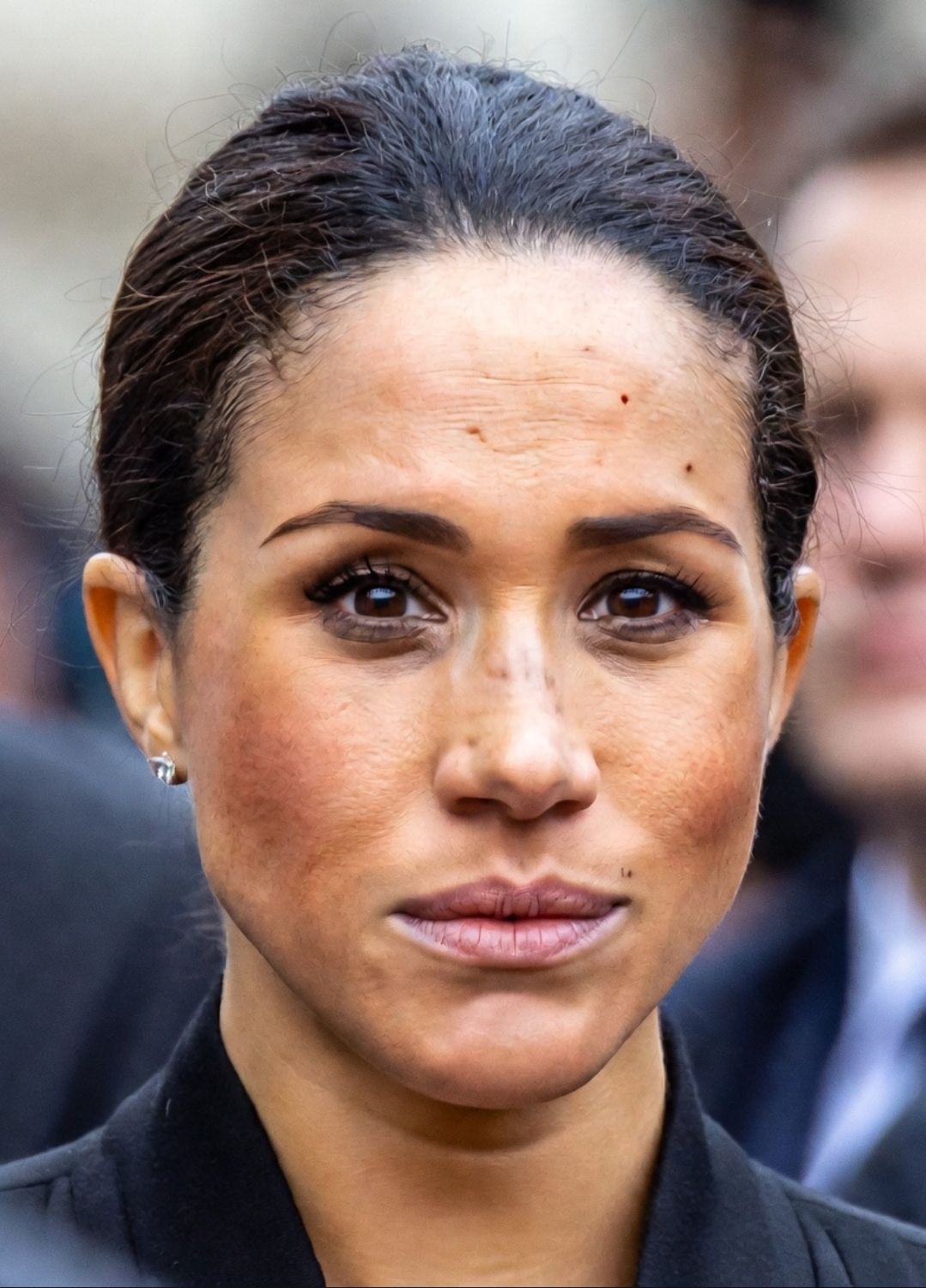
Royal observers and former insiders reveal how one woman’s unapologetic sense of entitlement, alleged staff intimidation, and strategic timing of explosive claims have left the British Royal Family walking on eggshells — unable to act without triggering accusations of racism.
Meghan Markle once famously declared she didn’t need to “find her voice” because she already had one. In the years since her dramatic exit from royal life, that voice has been deployed with remarkable consistency — often at the expense of those around her, according to multiple accounts, leaked documents, and public records.
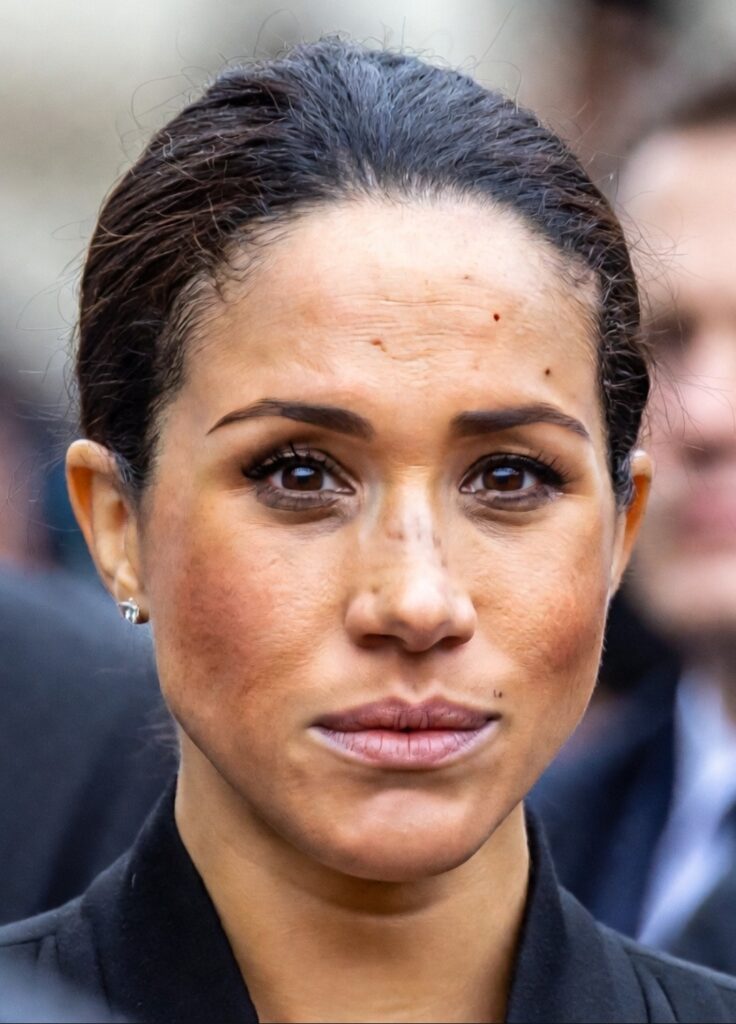
What some are now openly calling her “attitude problem” — a combination of perceived entitlement, aggression when challenged, provocation, and a willingness to weaponize sensitive accusations — has become impossible to ignore. And for many watching from outside the United States, it echoes uncomfortable broader conversations about double standards, victim narratives, and what some term “Black American fatigue”: the exhaustion with patterns of behavior in certain communities where accountability seems optional, fatherless homes and social issues are downplayed, and accusations of racism shut down honest discussion.
The Palace Bullying Allegations That Refuse to Die
The most documented example remains the 2021 revelations from Valentine Low in The Times. A leaked email from then-communications secretary Jason Knauf described Meghan’s treatment of staff as “totally unacceptable.” He alleged she “always seems to have someone in her sights,” had bullied two personal assistants out of the household in the previous year, and had undermined the confidence of others.
Buckingham Palace launched an internal review. The findings were never made public. Staff accounts that later surfaced described an environment of fear — one senior source reportedly called her a “dictator in high heels.” Gifts and skincare products allegedly didn’t erase the humiliation some felt.
Meghan’s team has always strenuously denied the claims. Yet the pattern of staff turnover and private complaints persisted in reporting long after she left Kensington Palace. Critics note the striking contrast with Catherine, Princess of Wales. Had even one similar allegation surfaced against her, the consequences would likely have been swift and severe. For Meghan, there appear to have been few lasting professional or reputational repercussions inside her own circle.
Throwing Grenades from the Safety of California
Meghan and Harry stepped back in early 2020. They relocated to North America. Only once they were safely outside the UK did the couple sit down with Oprah Winfrey in March 2021. The interview dropped bombshells: allegations of racism within the Royal Family concerning Archie’s skin color, claims that Meghan was denied protection and left suicidal, and the assertion that Kate had made her cry (a claim later complicated by other accounts).
Many viewed the timing as calculated. The most damaging revelations came only after the couple had secured new media deals and distance from royal protocol. Subsequent projects — the Netflix docuseries Harry & Meghan, Harry’s memoir Spare, and ongoing interviews — continued the narrative of oppression and dysfunction at the heart of one of the world’s most privileged families.
Harry, born into unimaginable wealth, security, and status, has repeatedly spoken as though he and his family were victims of systemic cruelty. The man who grew up with palaces, private jets on demand, and a global platform now frames his life through the lens of trauma and escape. Observers have called this the “victimhood of privilege” — a worldview where enormous advantages are downplayed while grievances are amplified.
Emotional Blackmail and the Racism Shield
The Royal Family has not removed Harry and Meghan from the official royal.uk website. Their Duke and Duchess of Sussex titles remain listed. HRH styling is not used in an official capacity, but the core titles persist. Multiple commentators have argued this is deliberate: any move to strip titles or distance the couple further would immediately trigger accusations of racism against a Black American woman and her mixed-race children.
Recent reporting has highlighted ongoing attempts by the couple to secure taxpayer-funded police protection for UK visits — efforts described by some royal experts as “emotional blackmail” aimed at King Charles. The strategy appears effective: the fear of being labeled racist has created a paralysis that benefits the Sussexes while they build lucrative lives in California.
Meghan waited until she was back on American soil before launching the heaviest public salvos. That timing, critics say, was no accident. It allowed her to say and do what she wanted with minimal immediate consequences from the institution she had left behind.
Parallels That Make People Uncomfortable
From an outside perspective — particularly from those not steeped in American racial politics — Meghan’s conduct often appears to follow a familiar script: say or do what you want, face little accountability, and lean on accusations of racism or bias to deflect scrutiny. The same pattern some describe in certain community dynamics — entitlement, provocation, intimidation, and a sense that rules apply differently depending on who is speaking — seems to play out on the world stage with the Duchess.
Drug issues, fatherless homes, aggression, and arrogance are sensitive topics. Raising them risks immediate labels. Yet when similar behaviors appear in high-profile individuals like Meghan, many feel the same reluctance to discuss them openly. The result is a chilling effect: honest observation gets branded as bigotry, while the underlying issues fester.
Imagine if Catherine had driven staff to resign in tears, accused the family of racism on global television, or positioned herself as a perpetual victim despite every conceivable advantage. The public and institutional response would have been vastly different. That double standard is precisely what fuels the frustration many feel but are afraid to voice.
A Privileged Life of Perpetual Complaint
Meghan and Harry now enjoy a Montecito mansion, high-profile deals (even as some Netflix and Spotify arrangements faced setbacks), and the freedom to criticize the very institution that gave them global fame. Yet the complaints continue — about security, about media, about family estrangement. The whinging and whining persist despite a level of privilege most people can only dream of.
This is not about race in the simplistic sense some claim. It is about accountability, consistency, and the corrosive effect of weaponized victimhood. The Royal Family’s reluctance to act decisively has only emboldened the dynamic. By refusing to remove the couple from the website or revisit titles, the institution has tacitly accepted that fear of racism accusations trumps normal standards of conduct.
The Broader Conversation No One Wants
Meghan Markle did not invent these patterns. But she has become one of the most visible examples of an attitude that prioritizes personal narrative over institutional norms, consequences, or basic reciprocity. For those watching from afar — including many in Nigeria, the UK, and elsewhere — it raises uncomfortable questions about entitlement, double standards, and the cost of silence.
The Royal Family may never remove them from the website or strip the titles. The racism card has proven too powerful a shield. Harry and Meghan appear to have mastered the art of emotional blackmail over many years. And Meghan, as she herself said, has never been shy about using the voice she already possessed — regardless of the wreckage left behind.
These are observations from the outside looking in. The evidence from staff accounts, leaked emails, interview records, and ongoing behavior is there for anyone willing to examine it without fear of the usual labels.
What do you see when you look at the same facts?