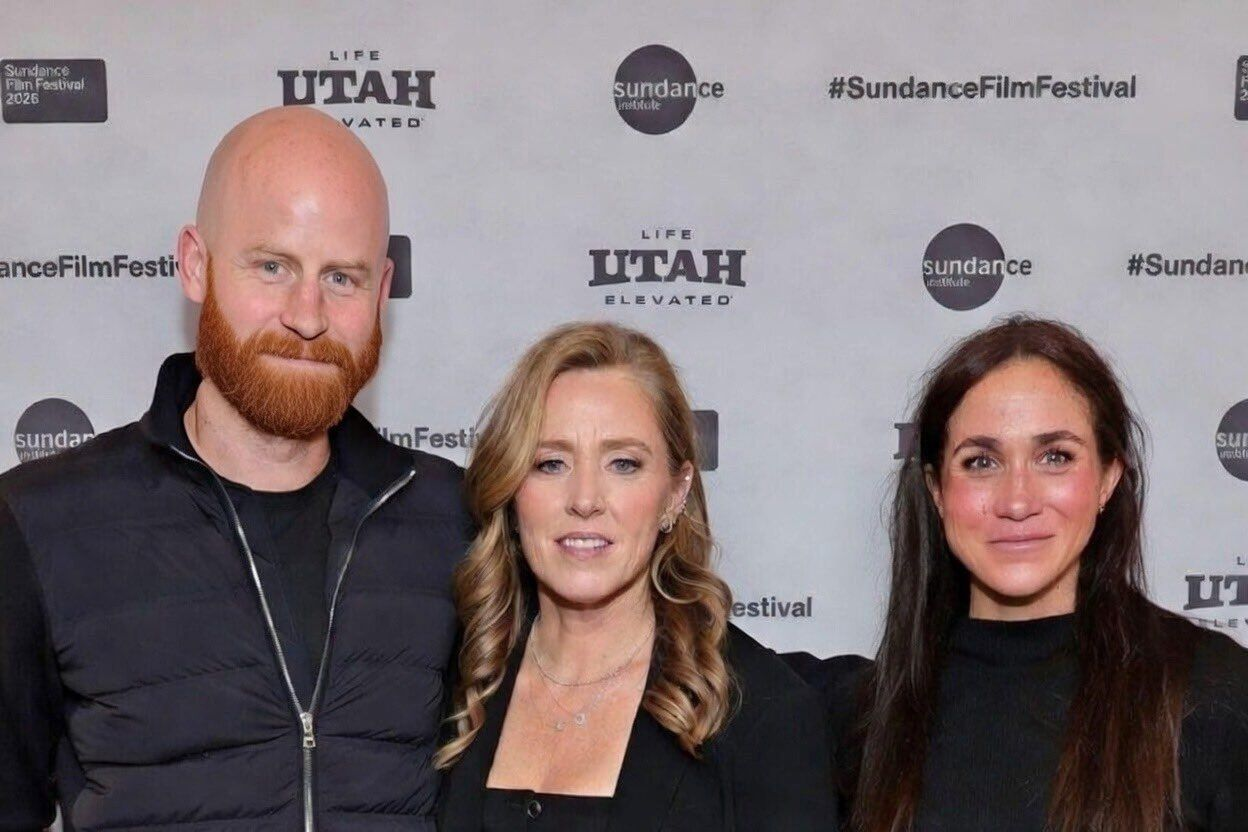
In a move that’s become all too predictable for the Duke and Duchess of Sussex, Prince Harry and Meghan Markle descended on the 2026 Sundance Film Festival like royalty crashing an indie film party — and promptly turned the focus away from the talented creatives who actually built the project. The couple, credited as executive producers on the documentary *Cookie Queens*, made a high-profile appearance at the premiere, posing for photos, walking red carpets, and even stepping onstage, ensuring that the conversation centered on them rather than the director, cinematographers, editors, and the hardworking team behind the camera.
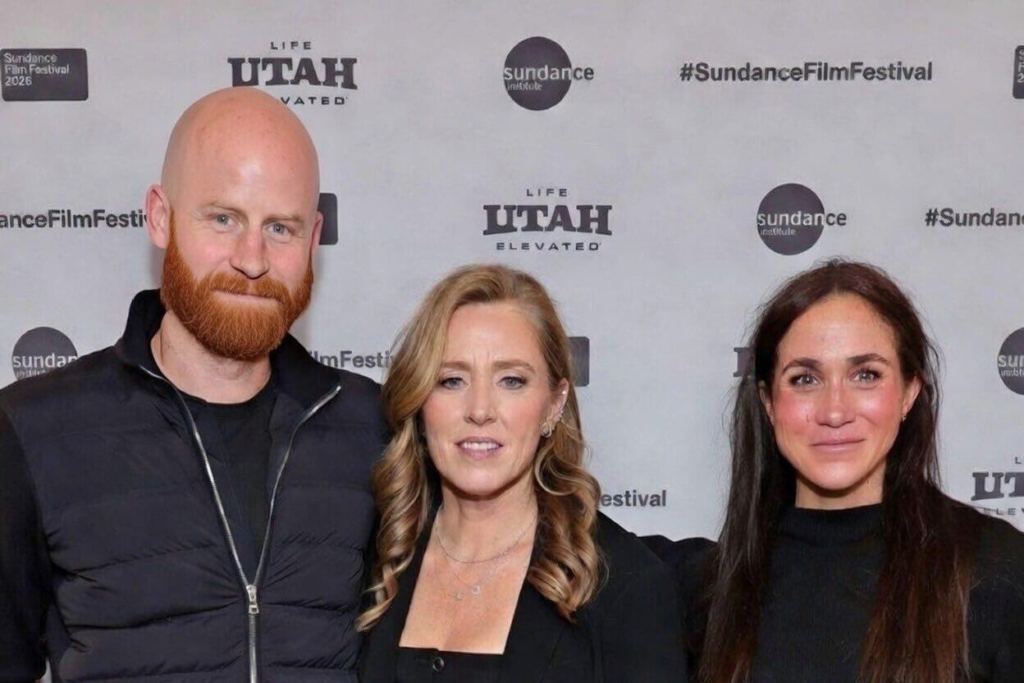
*Cookie Queens*, a 91-minute film directed by acclaimed filmmaker Alysa Nahmias and produced in partnership with Archewell Productions (the Sussexes’ media company), Beautiful Stories, and AJNA Films, follows four determined young Girl Scouts navigating the high-stakes world of cookie sales. It’s the kind of heartfelt, character-driven documentary that Sundance — the premier platform for independent cinema — was built to champion. Yet, from the moment Harry and Meghan arrived in Park City, Utah, on January 24, the narrative shifted dramatically.
Photos from the event show the couple beaming alongside director Nahmias, festival director Eugene Hernandez, and even Sundance Institute board member Amy Redford. Meghan, dressed in sleek black, and Harry, ever the supportive husband, posed repeatedly for the cameras. Meghan reportedly spoke onstage before the screening — an unusual move for executive producers at Sundance, where the spotlight typically stays on the director and principal creatives. The result? The real artisans of the film were overshadowed by the celebrity glow of two people whose primary qualification for the executive producer credit appears to be their famous names and Harry’s lingering royal title.
Critics and observers have been quick to point out the pattern. The Sussexes have repeatedly leveraged their status to secure prominent billing on projects where their hands-on involvement is questionable at best. Archewell Productions’ name appears in the credits, allowing Harry and Meghan to claim executive producer roles despite lacking the deep industry expertise, technical skills, or years of on-set grind that define most producers in the independent film world. Instead of letting the film’s director and crew bask in the festival’s prestige, the couple’s presence turned what should have been a celebration of emerging talent into yet another chapter of the Harry-and-Meghan show.
Social media erupted with commentary echoing this sentiment. One widely shared post captured the frustration perfectly: “Meghan Markle and Prince Harry thoughtlessly hog the limelight and overshadow directors, film makers and other qualified and talented creatives at Sundance Film Festival after using Harry’s titles to get their names listed as executive producers despite their lack of ability and expertise.” The post, accompanied by photos from the event, garnered significant engagement as users piled on with accusations of entitlement and a failure to respect the hard work of others.
Even mainstream coverage couldn’t ignore the optics. Reports noted that the screening didn’t sell out — an uncommon occurrence for high-profile premieres — leading to waitlisters being ushered in to fill seats. Some outlets cheekily highlighted how the couple’s star power failed to pack the house, yet their arrival still dominated headlines and photo galleries over the film’s actual content or its subjects. The young Girl Scouts featured in *Cookie Queens* — described as “tenacious” and inspiring — deserved the undivided attention, but instead found themselves sharing space with a pair of executive producers whose royal cachet stole the thunder.
This isn’t an isolated incident. The Sussexes have built a production slate through Archewell that often places them front and center, whether through Netflix deals, podcasts, or now festival appearances. While supporters praise their efforts to amplify underrepresented stories (Girl Scout entrepreneurship being a wholesome, positive one), detractors argue it’s a classic case of celebrity privilege: parachuting in with minimal creative input, slapping on executive producer credits, and then using the platform to keep themselves relevant. The real filmmakers — those who spent months or years crafting the narrative, securing funding, shooting footage, and editing late into the night — are reduced to supporting players in their own premiere.
Adding insult to injury, Meghan’s onstage remarks and the couple’s photogenic poses with the director and festival brass created a visual narrative of deep involvement that doesn’t align with the typical role of executive producers, who are often financiers or high-level overseers rather than day-to-day creatives. It’s a far cry from Sundance’s ethos of championing authentic, grassroots storytelling free from Hollywood gloss — or, in this case, royal gloss.
As the festival continues, the takeaway is clear: *Cookie Queens* may be a sweet, uplifting film, but its premiere was soured by the very people meant to support it. Prince Harry and Meghan Markle didn’t just attend Sundance — they commandeered it, using Harry’s titles and their combined fame to elbow aside the qualified, talented creatives who actually made the movie happen. In the indie film world, where passion and skill should reign supreme, this kind of spotlight-hogging feels not just tone-deaf, but downright disrespectful.
Will the couple learn to step back and let the real artists shine? Or is this just the latest chapter in their ongoing quest to stay center stage? For now, the directors, filmmakers, and crew of *Cookie Queens* deserve better than being mere footnotes in someone else’s royal redemption arc.
This is the only time I’ve seen producers stealing the limelight. Producers are the ones paying so why have they been crying broke, asking the king for money??